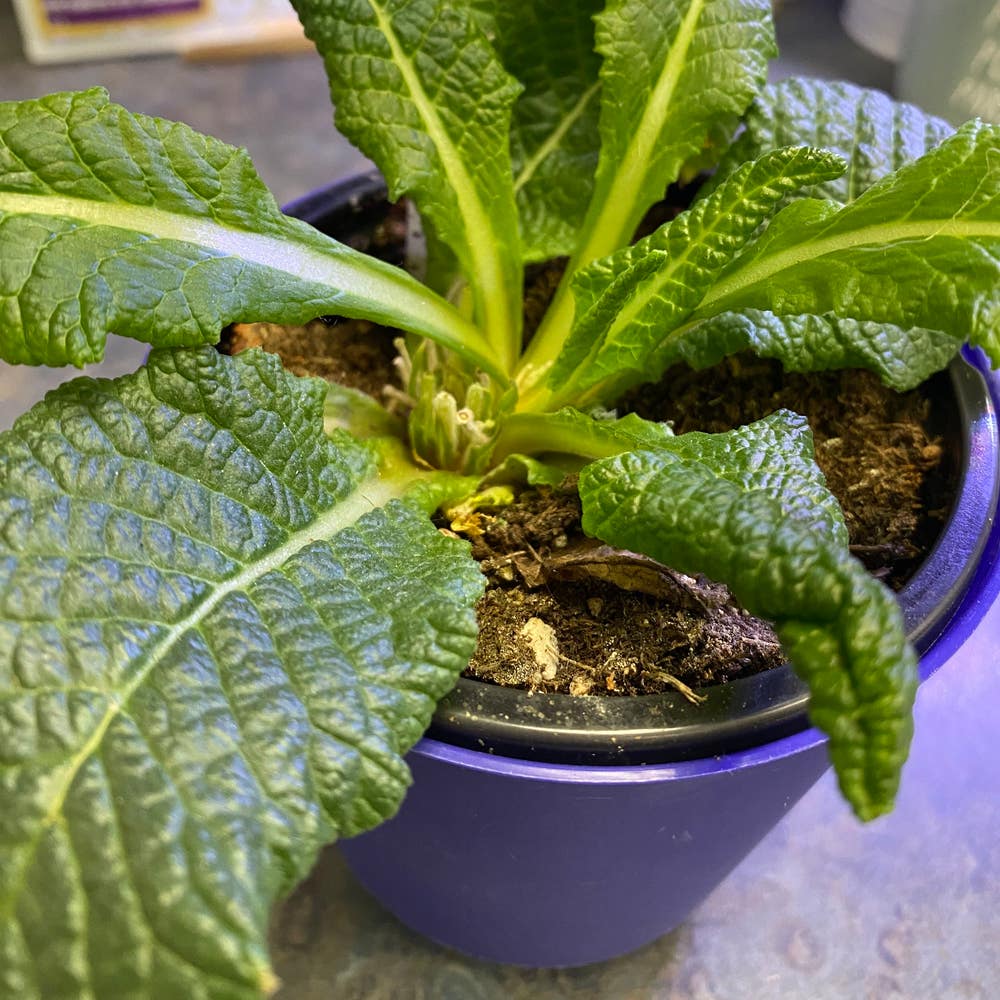
How to Know When to Repot a Common Cowslip?
Primula veris
By the Greg Editorial Team
Mar 08, 2024•4 min read
This article was created with the help of AI so we can cover more plants for you. May contain errors. See one? Report it here.
Discover the secret to lusher Cowslip blooms 🌼—knowing when a simple repot can work wonders!
- Roots peeking out? Time to repot your Common Cowslip.
- 🌱 Repot in spring or early fall, avoiding bloom time.
- Choose terracotta or ceramic pots for health and style.
Spot the Clues: When Your Common Cowslip is Craving a New Home
🌱 Root Tango: Roots Wrapping and Peeking Out
When your Common Cowslip's roots start to escape their confines, it's a clear sign they're seeking asylum from their cramped quarters. Roots should be comfortably housed, not spilling out like unruly party guests. If you lift the pot and the plant seems to cling on for dear life, it's time for an upgrade.
🌷 The Stunt Double: When Growth and Blooms Take a Backseat
A Common Cowslip hitting a growth plateau isn't just being lazy; it's likely root-bound. When the usual vibrant blooms start to dial it back, consider this a cry for help. Your plant isn't trying to conserve energy for a marathon; it needs more room to thrive.
🌿 The Squeeze Test: Feeling the Soil and Space Tension
Give the pot a gentle squeeze. If the soil feels tighter than jeans after Thanksgiving dinner, your Cowslip is telling you it's packed in too tight. Space is a necessity, not a luxury. When water zips through the pot like it's on a slip 'n slide, it's a telltale sign that the roots have taken over and the soil can't hold moisture like it should.
Timing is Everything: Picking the Perfect Moment to Repot
🌼 Seasons of Change: Spring and Early Fall Focus
Repotting your Common Cowslip should align with its growth cycle. Spring is the ideal time, as the plant shakes off winter's chill and prepares for a season of vigorous growth. It's the botanical equivalent of stretching one's legs after a long nap. Early fall is also acceptable, provided it's done well before the first frost.
🌸 Flower Power: Why You Shouldn't Repot During Blooming
Never repot during the blooming phase. This is the plant's time to shine, and repotting can cause unnecessary stress, potentially cutting the floral show short. It's like renovating the stage during a performance. Wait until the flowers have taken their final bow before considering a pot change.
The Great Move: Repotting Your Common Cowslip Step by Step
🌱 Choosing the Right Size: Not Too Big, Not Too Small
Selecting a new pot for your Common Cowslip is like picking out a new apartment—it needs to be just the right size. Upgrade to a pot that’s 1-2 inches larger in diameter than the current one to avoid the perils of overwatering and root rot.
🌿 The Prep Talk: Soil and Drainage Setup
Before the big move, ensure the new residence has adequate drainage. Cover the holes with coffee filters or mesh to prevent soil escape. Mix a well-draining soil concoction, because your Cowslip isn't a fan of soggy feet.
🌷 The Gentle Uproot: Safely Transitioning to the New Pot
It’s moving day! Water your plant lightly to prep the roots. Tilt and ease the Cowslip out of its current pot, supporting the base—no roughhousing. If the roots resist, a gentle tap or slide of a knife around the inside edge should loosen things up.
🌼 Settling In: Soil Topping and Initial Watering
Place your Cowslip in its new pot at the same soil depth as before. Backfill with soil, but don’t pack it down—think fluffy clouds, not compacted dirt. Water your plant to help it settle in, but remember, we're not looking to create a mini swamp.
Picking the Perfect Pot: Material Matters
🏺 Terracotta vs. Plastic: Breathability and Moisture Balance
Terracotta is the old-school cool; it's all about breathability. This material wicks away extra moisture, which is a thumbs-up for preventing soggy soil syndrome. Plastic, however, is like that friend who never knows when to leave a party—it holds onto water for dear life. Great for plants that love a drink, but a potential waterlogging hazard for others.
🍶 Ceramic Charm: When Beauty Meets Function
Ceramic pots are the runway models of the pot world—stylish yet functional. They're less porous than terracotta, offering a middle ground for moisture management. Just ensure there's a drainage hole at the bottom; otherwise, it's like wearing a raincoat in a sauna—things will get steamy, and not in a good way.
💧 Self-Watering Wonders: Are They Right for Cowslip?
Self-watering pots might seem like the lazy gardener's dream, but caution is the word. They're fantastic for consistent moisture but can turn into a swampy mess if not checked. Use them if you're prone to forget watering, but remember, cowslips don't have a scuba diving category.
🚫 What to Avoid: Steering Clear of Problematic Pot Materials
Metal and glass pots are the high-maintenance divas; they're more about looks than practicality. They can cook your plant's roots or turn the soil into an unwanted swimming pool. Stick to the classics—terracotta, plastic, or ceramic—and your cowslip will thank you.
⚠️ Safety First
This content is for general information and may contain errors, omissions, or outdated details. It is not medical, veterinary advice, or an endorsement of therapeutic claims.
Always consult a qualified healthcare professional before using any plant as food, medicine, or supplement.
Never eat any plant (or feed one to pets) without confirming its identity with at least two trusted sources.
If you suspect poisoning, call Poison Control (800) 222-1222, the Pet Poison Helpline (800) 213-6680, or your local emergency service immediately.
Spotted an error? Please report it here.
Ensure your Common Cowslip's roots have the space to grow 🌿 with Greg's PlantVision for pot measurements and custom reminders for the ideal repotting time.