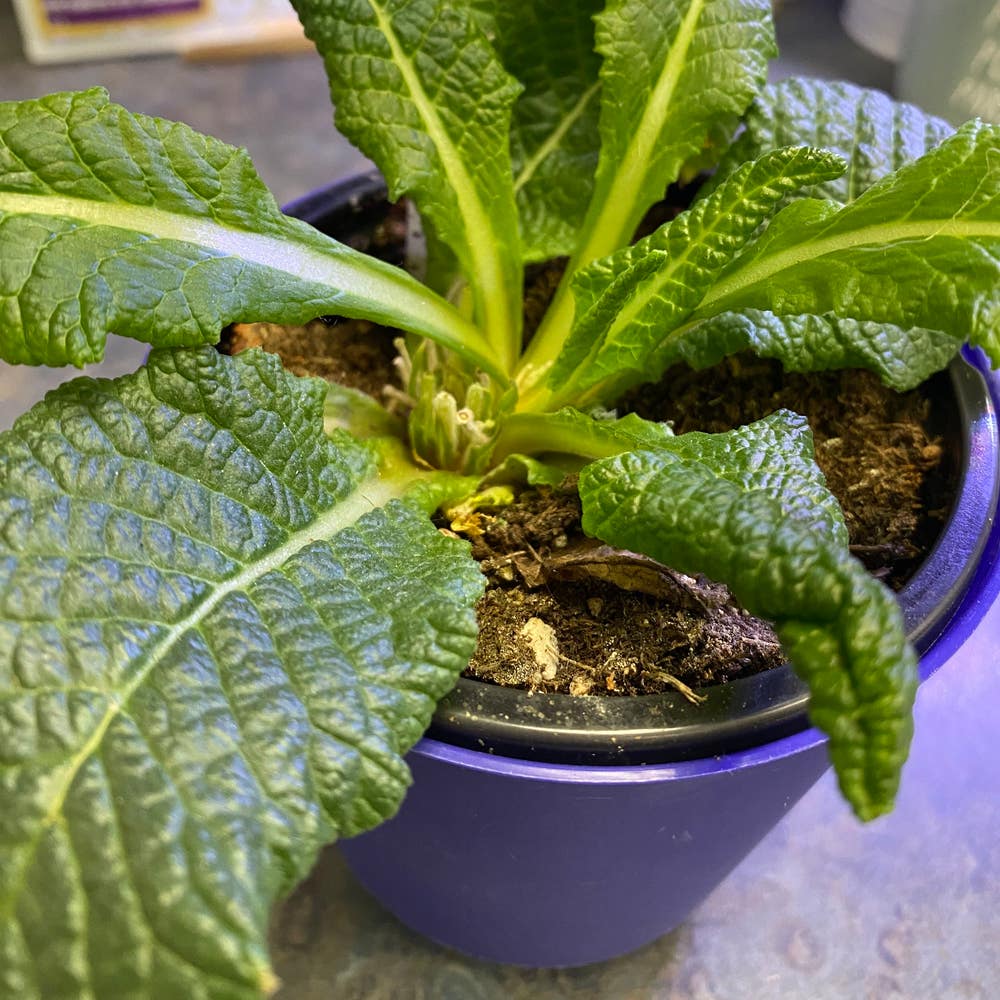
Soil Recommendations for Common Cowslip
Primula veris
By the Greg Editorial Team
Mar 08, 2024•4 min read
This article was created with the help of AI so we can cover more plants for you. May contain errors. See one? Report it here.
Nurture a flourishing Common Cowslip 🌼 by mastering its ideal soil mix—where every bloom begins!
- 🌱 Mold means too much water; add perlite for drainage.
- Yellow or brown leaves? Check watering, disease, and nutrients.
- Ideal mix: peat moss, perlite, compost, and slight acidity.
Spotting Trouble in Paradise: Unhealthy Soil Signs
🍄 Moldy Menaces and Other Telltale Signs
Mold in your soil is like an uninvited guest at a dinner party—it's a clear sign you've overdone the watering. Look for fuzzy growths or a musty smell. These are the soil's distress flares, indicating that it's too wet and your plant is not getting the nutrients it needs.
Adjust watering immediately. If the soil feels like a wet sponge, it's time to mix in some perlite for better drainage. Regular checks can keep these issues from rooting too deeply.
🍃 When Your Cowslip's Leaves Spill the Tea
Leaf discoloration and wilting are your cowslip's way of saying, "I'm not okay." Yellow leaves often point to overwatering, while brown spots can signal disease or nutrient deficiencies.
Keep a vigilant eye on these changes; they're often the first indicators that your soil mix might need a tweak. Remember, healthy leaves mean happy roots—and it all starts with the soil.
Fixing the Foundation: Resolving Soil Issues
🦠 Kicking Mold to the Curb
Mold in your Common Cowslip's soil is like an uninvited guest overstaying their welcome. Scrape off any visible mold from the soil surface as a first step. Overwatering is a frequent misstep, so let's cut back—allow the soil to dry out between waterings. A simple finger test can save you from soggy soil sorrow; if it's damp, hold off on the H2O. For stubborn mold, mix in perlite or pumice to improve aeration, giving your plant's roots the breathing room they deserve.
👃 Sniffing Out the Problem: Dealing with Foul Odors
A foul odor wafting from your soil is a distress signal you can't ignore. It's time to aerate your soil, breaking up compaction and letting air circulate. Adding organic matter like compost can be a game-changer, boosting nutrient content and improving soil structure. Remember, your Common Cowslip's roots need a breathable, fresh environment to thrive, not a dank, stale one.
The Perfect Home Brew: Crafting Your Cowslip's Ideal Soil Mix
🌱 The Recipe for Success
Creating the ideal soil mix for your Common Cowslip is like being a barista for your plants; you need the right blend for the perfect cup. Start with two parts peat moss for moisture retention, crucial for those thirsty roots. Add one part perlite to keep the mix light and breathable, ensuring roots don't suffocate. Finally, mix in one part compost for a nutrient kick that'll make your Cowslip sing.
🎯 Getting the Balance Right
Balance is key in soil mixology. Your Common Cowslip prefers a slightly acidic pH, so monitor and adjust accordingly. A pH meter can be your best friend here. Ensure your mix has a nutrient-rich profile without going overboard; too much of a good thing can be just as bad as too little. Keep tweaking until your Cowslip tells you, through lush growth and vibrant blooms, that you've hit the sweet spot.
When Time's Not on Your Side: Quick Commercial Soil Fixes
🌱 Picking the Right Bag
In the hustle of life, sometimes you need a commercial soil mix that's ready to go. Look for a mix that's lightweight yet nutrient-dense, ensuring your Common Cowslip's roots can breathe and feast at the same time. Organic matter is your best friend here; it's the equivalent of a five-star meal for your plant. Components like perlite or pumice should be non-negotiable for that perfect drainage. And don't ignore the pH; if the bag isn't bragging about its pH balance, it's probably not a match for your Cowslip.
🌿 Brand Shoutouts
Some brands just get it right. When you're scanning the shelves, keep an eye out for Nature's Care Organic & Natural Potting Mix—it's like a trust fund for your plant's health. Other reliable options include mixes that are typically used for cacti or succulents; they have that airy vibe your Cowslip craves. Just remember, sometimes these commercial mixes need a little customization. Don't be afraid to throw in a handful of compost or worm castings to tailor the mix to your plant's liking. It's the difference between a tailored suit and one straight off the rack—both can work, but one just fits better.
⚠️ Safety First
This content is for general information and may contain errors, omissions, or outdated details. It is not medical, veterinary advice, or an endorsement of therapeutic claims.
Always consult a qualified healthcare professional before using any plant as food, medicine, or supplement.
Never eat any plant (or feed one to pets) without confirming its identity with at least two trusted sources.
If you suspect poisoning, call Poison Control (800) 222-1222, the Pet Poison Helpline (800) 213-6680, or your local emergency service immediately.
Spotted an error? Please report it here.
Combat mold and master the perfect soil mix for your cowslip's health with Greg's 🌱 custom watering plan and soil amendment reminders.