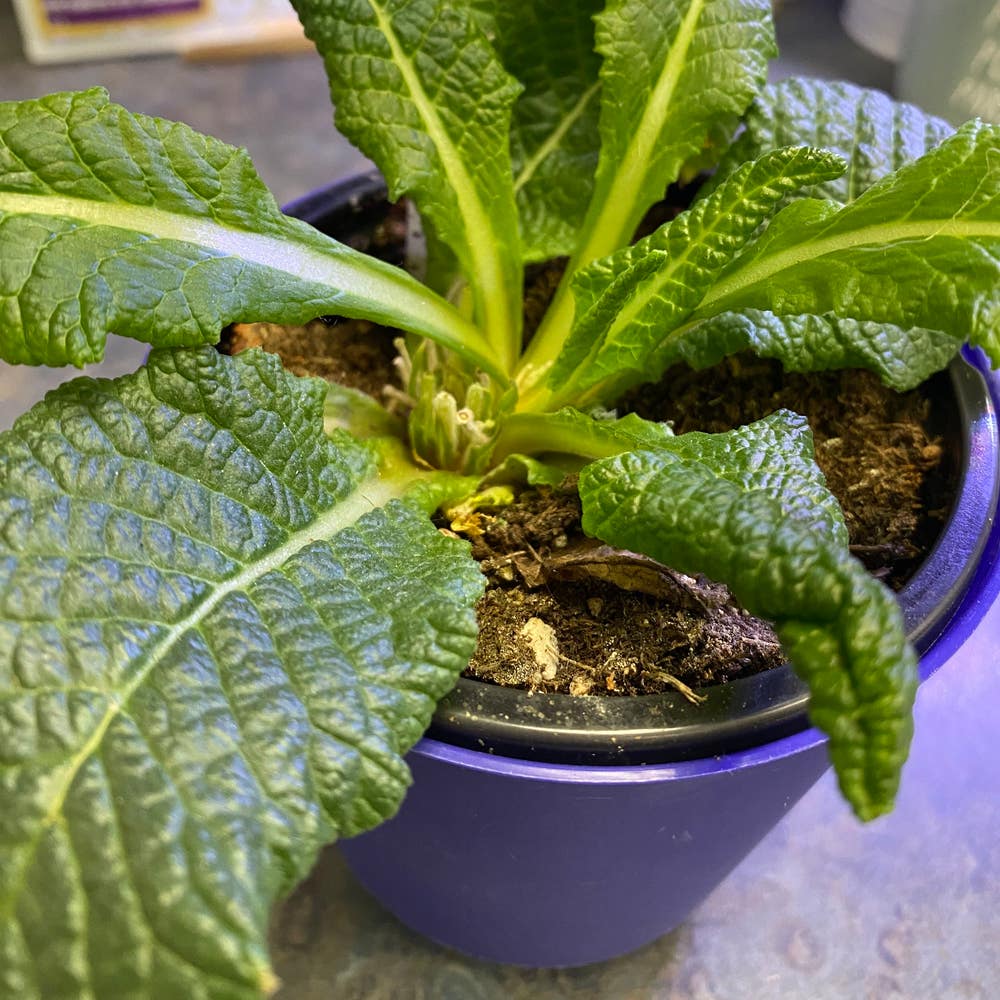
Diagnosing common cowslip root rot
Primula veris
By the Greg Editorial Team
Mar 08, 2024•4 min read
This article was created with the help of AI so we can cover more plants for you. May contain errors. See one? Report it here.
Prevent cowslip catastrophe 🌼 by spotting and stopping root rot with these essential tips!
- Yellow leaves, wilting, and mushy roots signal cowslip root rot.
- Fungal pathogens and overwatering are common culprits.
- Trim infected roots and adjust watering for treatment and prevention.
Spotting the Red Flags: Symptoms of Root Rot in Common Cowslip
🚩 Visual Symptoms on Leaves and Stems
Yellowing leaves on your Common Cowslip aren't just a cry for attention—they're a warning sign. If you notice wilting or stunted growth, it's high time to suspect root rot is playing foul.
🕵️ Below the Surface: Inspecting the Roots
Discoloration and mushiness in roots spell trouble. A healthy root system is firm and white, not brown and soggy. And if there's a stench wafting up from the soil, that's the smell of defeat—root rot is likely at play.
🕵️ Beyond the Obvious: Other Signs to Watch For
Subtle hints like a sudden leaf drop can also point to root rot. If your plant's base is looking suspect or there's mold creeping in, don't wait—root rot could be lurking in the shadows.
Getting to the Root of the Problem: Causes and Diagnosis
🍄 Unwelcome Guests: Fungal Pathogens at Play
Root rot in Common Cowslip often starts with fungal invaders like Phytophthora and Pythium. These fungi love to feast on damp roots, turning them into a soft, decaying mess. They're not picky about their living conditions; a little excess moisture and they're all in, spreading destruction through your plant's foundation.
💦 Water Woes: Overwatering and Poor Drainage
Overwatering and inadequate drainage are like rolling out the red carpet for these pathogens. Roots drowning in water are deprived of oxygen, making them easy targets for fungal takeover. Ensuring proper drainage is more than a perk; it's a necessity for healthy roots. Think of it as giving your plant's roots room to breathe.
👐 Hands-On Diagnosis: Examining Your Plant
To diagnose root rot, you'll need to play detective. Gently unearth the roots and look for telltale signs: are they brown and mushy instead of white and firm? Does the soil smell like a swamp? These clues point to root rot. Remember, it's not just about looking; it's about understanding the environment your plant is in. Too much water, poor drainage, or compacted soil can all spell trouble.
Cutting Out the Rot: Immediate Treatment Actions
🔪 Surgical Precision: Trimming the Damaged Roots
When root rot attacks, think surgeon: it's time to remove the infected parts. Sterilize your cutting tools with alcohol or bleach to prevent spreading the disease. Snip off the brown, mushy roots, sparing no mercy for the rotted sections. Ensure you also remove a small margin of the seemingly healthy tissue to stop any hidden rot. After the amputation, clean your tools again; hygiene is non-negotiable.
☠️ Fungicide to the Rescue: Chemical Warfare
Once the compromised roots are history, it's fungicide time. Choose a copper-based or systemic broad-spectrum fungicide as your plant's new best friend. Apply it meticulously to the cut surfaces, creating a barrier against potential invaders. Follow the label's instructions to the letter—this isn't a time for improvisation. Use enough to protect, not so much that you stress the plant further. After treatment, monitor your green patient closely, adjusting care to avoid a relapse.
Keeping Root Rot at Bay: Prevention Strategies
💧 The Right Foundation: Soil Selection and Maintenance
Well-draining soil is non-negotiable for healthy Common Cowslip roots. Opt for a mix that allows water to pass through quickly, preventing moisture from overstaying its welcome. This creates an environment hostile to root rot fungi.
Regularly check your soil's condition. Over time, soil can compact or degrade, losing its airy quality. Refresh it with organic matter to maintain that critical balance of moisture and aeration.
💦 Watering Wisdom: Balancing Moisture Levels
Watering should be responsive, not routine. Before watering, feel the soil about an inch deep. If it's dry, it's time to water; if not, hold off. This simple check can be the difference between thriving and diving.
Seasons change, and so do watering needs. Adjust your schedule as temperatures rise and fall. In summer, your plants might be parched, while in winter, they could do with less.
Tools like moisture meters can take the guesswork out of watering. They're not just gadgets; they're your allies in the fight against root rot.
Remember, a pot with drainage holes is as essential as the soil itself. It's the exit ramp for excess water, keeping your Common Cowslip's feet dry and healthy.
⚠️ Safety First
This content is for general information and may contain errors, omissions, or outdated details. It is not medical, veterinary advice, or an endorsement of therapeutic claims.
Always consult a qualified healthcare professional before using any plant as food, medicine, or supplement.
Never eat any plant (or feed one to pets) without confirming its identity with at least two trusted sources.
If you suspect poisoning, call Poison Control (800) 222-1222, the Pet Poison Helpline (800) 213-6680, or your local emergency service immediately.
Spotted an error? Please report it here.
Ensure your cowslip thrives with healthy roots 🌱 by leveraging Greg's tailored moisture monitoring to dodge overwatering and root rot.