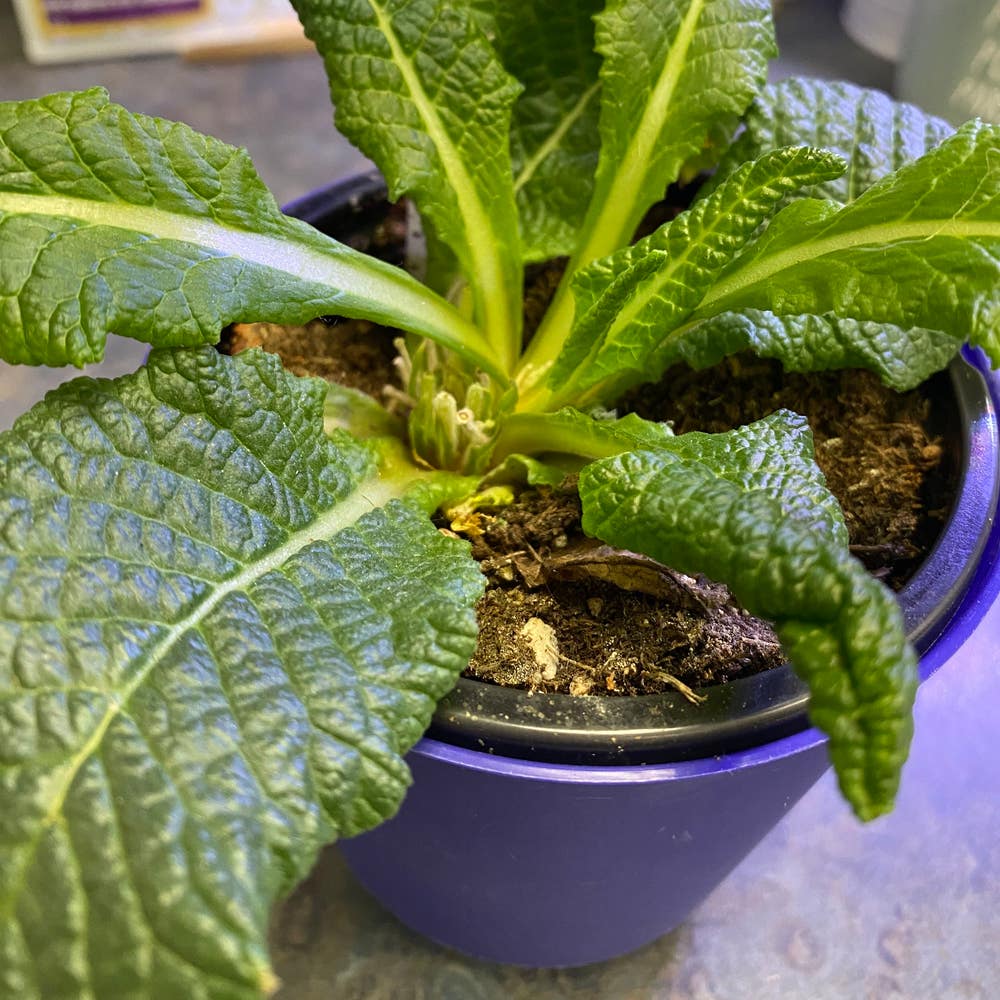
Why Is My Common Cowslip Dropping Leaves?
Primula veris
By the Greg Editorial Team
Mar 08, 2024•5 min read
This article was created with the help of AI so we can cover more plants for you. May contain errors. See one? Report it here.
Stop your Cowslip's leaf-drop 🍂 and nurture a thriving, vibrant plant with these essential care tips.
- Overwatering and underwatering both lead to leaf drop. Find a watering balance.
- Stable temperatures and light prevent stress-induced leaf shedding.
- Nutrient balance and pest control are key to keeping leaves healthy.
When Water Works Against You
🌊 Overwatering Woes
Too much water is a common misstep that leads to leaf loss in Common Cowslip. Overwatering symptoms include yellow leaves and a soil texture reminiscent of a wet sponge. To remedy this, let the soil dry to a crumbly, stale-cookie consistency before rewatering.
The Thirsty Plant Paradox
Conversely, a parched Cowslip will exhibit crispy leaf tips and a general wilted appearance. To quench its thirst effectively, water deeply but sparingly, ensuring the soil is moist like a well-made cake, not soaked. Balance is key to avoid the extremes of a desert drought or a tropical monsoon.
Feeling Stressed? So Is Your Cowslip
🌡️ Temperature Tantrums
Cowslip plants can be as fussy about temperature as Goldilocks is about her porridge. Too hot or too cold, and your plant will let you know by shedding leaves faster than a dog sheds fur in summer. Keep an eye out for wilting or discoloration, which are your plant's version of sending out an SOS.
To avoid these temperature-induced fits, maintain a steady environment. The sweet spot for your Cowslip lies between 60°F and 75°F (15°C to 24°C). Anything outside this range and you might find yourself dealing with a leafless wonder.
🌬️ Drafts and Sunburns
Drafts are the ninja assassins of the plant world, often going unnoticed until it's too late. If your Cowslip is dropping leaves, it might be sitting in the path of an unseen draft. Relocate your plant to a draft-free zone where it can live in peace.
On the flip side, too much direct sunlight can scorch leaves like a marshmallow at a campfire. Aim for bright, indirect light to keep your Cowslip's leaves from frying. Remember, your plant craves the sun's warmth, not its wrath.
Hungry for Nutrients
🍽️ Spotting Starvation
Yellowing leaves on your Common Cowslip might not just be a fashion statement; they're screaming for nitrogen. If your plant is all leaves and no action (read: flowers), it's probably overdosing on nitrogen while starving for phosphorus and potassium. It's like your Cowslip is holding a "Feed Me" sign, minus the creepy talking plant vibes.
💡 The Nutrient Boost: Feeding Your Cowslip Right
To avoid turning your Cowslip into a botanical beggar, introduce a balanced fertilizer. Think of it as a plant multivitamin—your green buddy needs its micronutrients too. Boron, copper, and zinc might not sound like a party, but they're essential for your plant's VIP list. And remember, soil testing isn't just for nerds; it's like getting the dirt on what your plant's diet is missing.
🚫 The Overfeeding Faux Pas
Overfeeding your Cowslip can lead to the botanical equivalent of a food coma. If your plant's leaves are dropping like flies after feeding, you might be dealing with nutrient burn—plant indigestion. To fix this, you'll want to flush the soil like you're detoxing after a weekend binge. Cut back on the fertilizer; your plant's diet isn't an all-you-can-eat buffet.
🔄 Dialing Back on Nutrients to Regain Balance
Remember, your Cowslip's feeding schedule should be seasonal—like pumpkin spice lattes, not an all-year-round deal. Stick to the growing season for the heavy meals and go light during the off-season. If you've been a bit overzealous with the plant food, it's time to ease up. Think of it as putting your plant on a diet for its own good.
Unwanted Guests and Unseen Enemies
🐛 Pests: The Leaf Lovers
Pests are the bane of your Common Cowslip's existence. Aphids, spider mites, and mealybugs are the usual suspects when it comes to leaf drop. These tiny terrorists suck the life out of leaves, leaving them yellowed and frail.
🔍 Identifying the Invaders
Check for sticky residue or fine webs on your plant; these are the calling cards of aphids and spider mites. Mealybugs, on the other hand, look like tiny cotton swabs hugging your plant too tightly.
🚪 Eviction Notice
Once you've spotted these freeloaders, it's time to show them the door. Insecticidal soap or neem oil are your go-to weapons. Apply with vigilance, especially under the leaves, and repeat until your plant is pest-free.
🛡️ Prevention is Key
To prevent future infestations, keep your Cowslip's area debris-free. Introduce beneficial insects like ladybugs if you're feeling eco-friendly. They're like the unpaid interns of the garden world, working hard to keep the pests at bay.
💥 Battling Diseases
Fungal diseases are stealthy, often going unnoticed until they've wreaked havoc on your plant.
🦠 Fungal Foes
Watch for discolored spots or a powdery mildew on leaves. These are signs that fungal fiestas are in full swing.
🌬️ Disease Defense
Airflow is your ally here. Make sure your Cowslip isn't suffocating in stagnant air. If you're already facing a fungal uprising, consider a targeted strike with a fungicide. But remember, the best offense is a good defense—keep those leaves dry and give your plants room to breathe.
Regular inspections and prompt action are your best defense against these unwanted guests and unseen enemies. Keep a close eye on your Cowslip, and with a bit of luck and a lot of care, you'll keep the leaf drop to a minimum.
⚠️ Safety First
This content is for general information and may contain errors, omissions, or outdated details. It is not medical, veterinary advice, or an endorsement of therapeutic claims.
Always consult a qualified healthcare professional before using any plant as food, medicine, or supplement.
Never eat any plant (or feed one to pets) without confirming its identity with at least two trusted sources.
If you suspect poisoning, call Poison Control (800) 222-1222, the Pet Poison Helpline (800) 213-6680, or your local emergency service immediately.
Spotted an error? Please report it here.
Prevent your Common Cowslip from shedding leaves by letting Greg craft a custom care schedule 📅, tailored to keep your plant perfectly watered, fed, and thriving!