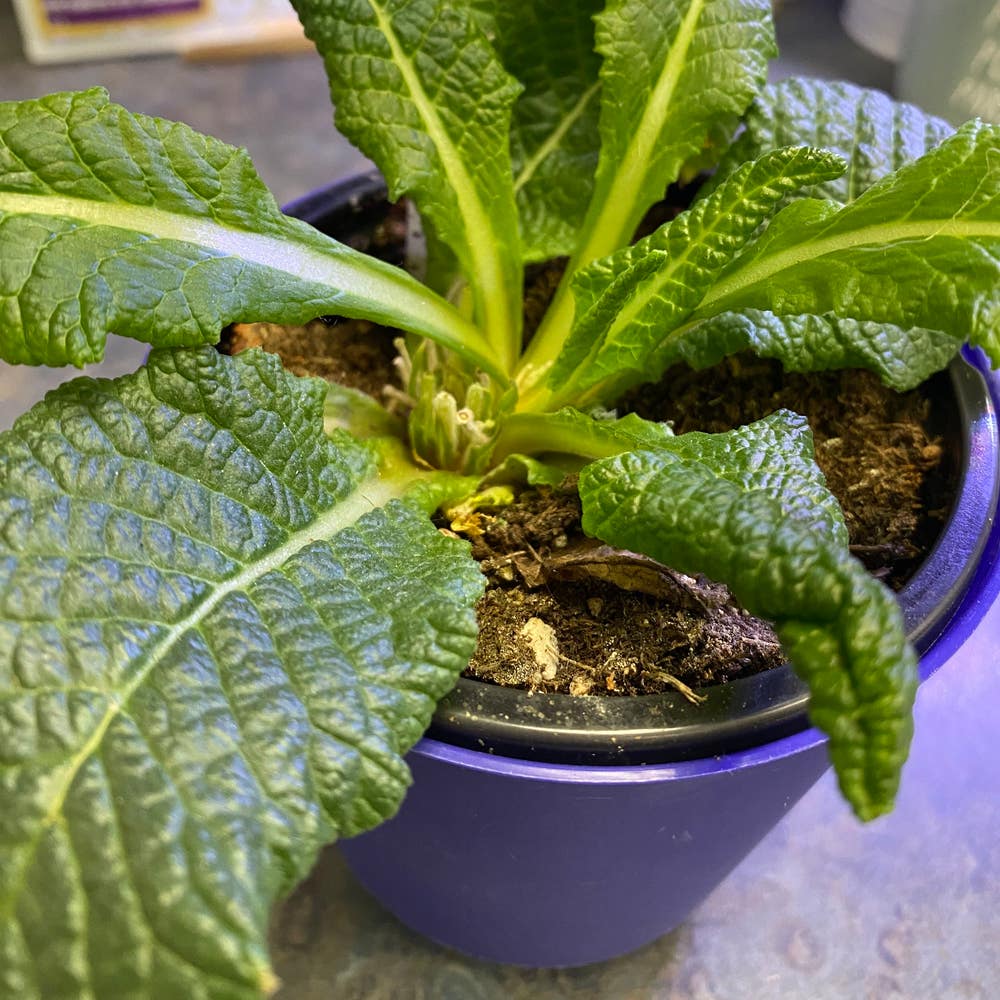
Am I Starving My Common Cowslip? Fertilizing 101
Primula veris
By the Greg Editorial Team
Mar 08, 2024•4 min read
This article was created with the help of AI so we can cover more plants for you. May contain errors. See one? Report it here.
Boost your Cowslip's bloom show 🌼 with the perfect fertilizing strategy—find out how!
- Organic vs. Synthetic: Organic safer, synthetic faster for cowslip blooms.
- Balanced NPK crucial: Less nitrogen, more phosphorus and potassium.
- Timing matters: Pre-bloom and consistent blooming phase fertilization needed.
Picking the Right Food for Your Cowslip
🌱 Organic vs. Synthetic: Which is Best for Blooms?
Cowslips don't care about brand names; they just want the right nutrients. Organic fertilizers are the tortoises in this race—slow and steady, building soil health while offering a buffet of nutrients over time. They're less likely to cause burn, making them a safer bet for the cautious gardener. Think well-aged manure or bone meal, which is a phosphorus powerhouse for those blooms.
On the other hand, synthetic fertilizers are the hares—rapid and robust. They deliver nutrients fast, which can be great if your cowslip is looking a bit peaky before the prom. But, just like that one friend who always overdoes it at parties, synthetics can lead to a nasty hangover for plants, known as nutrient burn. Use them with a careful hand, or you'll be nursing a sick plant back to health.
💡 NPK: The Magic Numbers for Flower Power
Let's talk about the NPK ratio—this is your plant's dietary label. For cowslips, you want to go easy on the nitrogen (N) unless you're trying to grow a jungle of leaves. Phosphorus (P) and potassium (K) are your bloom buddies. They're like the plant version of a pep talk, getting those flowers to show up and show off.
A balanced formula might look like a 5-10-10 or 10-20-20; it's the plant equivalent of a well-rounded diet. Just remember, more isn't always better. Stick to the recommended ratios to avoid that overfed, lethargic plant life. And always, always read the label—your cowslip's blooming success depends on it.
Timing is Everything: When to Fertilize for Best Blooms
🌼 Spring into Action: Pre-Bloom Fertilizing
Spring heralds the pre-bloom phase for your Common Cowslip, a critical time to lay the groundwork for a season of spectacular flowers. Incorporate a balanced fertilizer as you prep the beds or when you notice the first signs of growth. This initial feeding is all about encouraging robust root development and priming your plant for the blooming stage.
Keep it Going: Maintenance Fertilization During Blooming
Once the blooms begin to show, maintain a consistent fertilization schedule to sustain the floral display. A monthly application of a phosphorus-rich fertilizer can keep the blooms coming. However, be vigilant; your plant's appearance will tell you if the schedule needs tweaking. Yellowing leaves or a growth halt might indicate it's time for an adjustment. Remember, over-fertilization is a no-go—more isn't always better.
Serving the Meal: How to Apply Fertilizer
🌱 Top-Dressing vs. Liquid Gold: Methods for Flowering Success
Top-dressing your Common Cowslip involves sprinkling a balanced granular fertilizer around the base of the plant. This slow-release feast ensures a steady supply of nutrients, ideal for sustained blooming. It's like setting up a buffet for your flowers to graze on over time.
Liquid fertilizers, on the other hand, are the fast food of the plant world. They deliver a rapid hit of nutrients, perfect for a quick boost. However, they require more frequent applications to keep your Cowslip's blooms vibrant. It's a sprint, not a marathon, with these liquid meals.
🍃 Foliar Feeding: A Quick Snack for Your Cowslip?
Foliar feeding is akin to an energy shot for your plants. When your Cowslip's leaves look lackluster, a spritz of diluted liquid fertilizer can perk them up. But remember, this is just a snack; it doesn't replace the main course of root feeding. Use foliar feeds sparingly, as overdoing it can lead to a nutrient overdose, leaving your plant with the botanical equivalent of a sugar crash.
Oops, Too Much! Dealing with Over-Fertilization
🚨 Spotting the Tell-Tale Signs
Yellowing leaves or a crusty mineral buildup on the soil are your Common Cowslip's way of waving a white flag. If the foliage is dropping like flies before winter's chill, it's a cry for help. Over-fertilization is the culprit, and your plant's blooming potential is on the line.
🛠️ The Recovery Plan
First, stop feeding your plant. It's had its fill. Gently remove any visible fertilizer from the soil to prevent further nutrient uptake. Then, flush the soil with water—think of it as a detox for your Cowslip's roots. This helps to leach out the excess fertilizer. Repeat this process a few times, allowing the soil to dry out between waterings.
Prune any damaged foliage to help your plant focus on recovery. Hold off on the fertilizer; give your Cowslip a chance to catch its breath for at least a month. When you resume feeding, remember that less is more. A diluted fertilizer solution can prevent future overindulgence and keep your Cowslip thriving.
⚠️ Safety First
This content is for general information and may contain errors, omissions, or outdated details. It is not medical, veterinary advice, or an endorsement of therapeutic claims.
Always consult a qualified healthcare professional before using any plant as food, medicine, or supplement.
Never eat any plant (or feed one to pets) without confirming its identity with at least two trusted sources.
If you suspect poisoning, call Poison Control (800) 222-1222, the Pet Poison Helpline (800) 213-6680, or your local emergency service immediately.
Spotted an error? Please report it here.
Revitalize your common cowslip's blooms with precision-timed 🕒 fertilization reminders from Greg, tailored to the nutrient needs outlined in this fertilizing 101 guide.