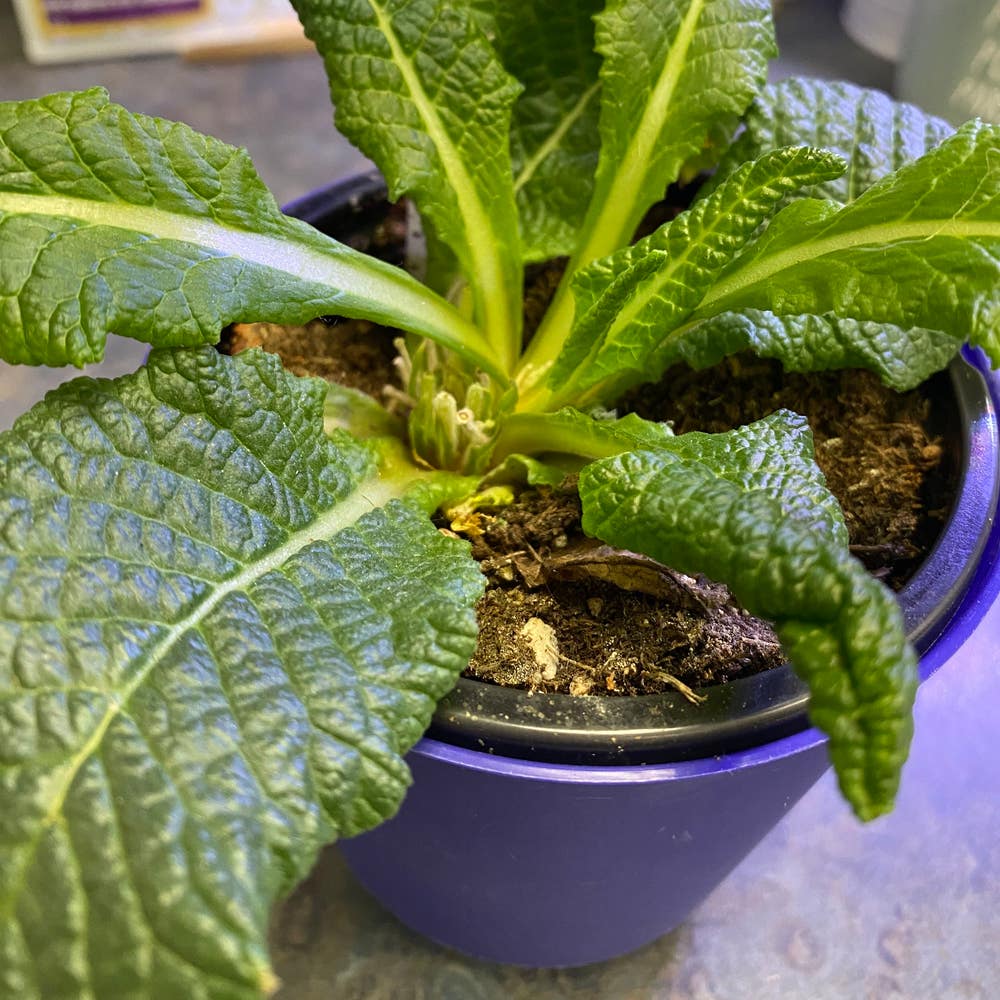
How Should Common Cowslip Be Cut Back?
Primula veris
By the Greg Editorial Team
Mar 08, 2024•3 min read
This article was created with the help of AI so we can cover more plants for you. May contain errors. See one? Report it here.
Transform your garden's charm by mastering the art of pruning Common Cowslip for vitality and beauty. 🌼✂️
- Post-bloom pruning enhances root and leaf development for next season's display.
- 🌡️ Consider climate and plant health when timing your pruning.
- ✂️ Use sharp, sanitized tools for precise cuts and disease prevention.
Timing Your Pruning for Perfection
🌸 Post-Bloom Pruning Window
Pruning Common Cowslip post-bloom is like catching the early train to a flourishing garden. Once the final flower wilts, it's go-time for your shears. This timing ensures the plant channels its energy into root and leaf development, setting the stage for a spectacular show next season.
🌦 Seasonal Considerations
Climate dictates the pruning calendar. In colder regions, earlier pruning may prevent frost damage to new growth. For plants that had a rough season, a later trim gives them time to recover. Always observe your Cowslip's health; robust plants can handle earlier pruning, while stressed specimens need more time.
Choosing Your Pruning Partners
🛠️ Essential Pruning Tools
Selecting the right tools is like choosing a good kitchen knife; it makes all the difference. For Common Cowslip, you want sharp pruning shears or scissors that can make precise cuts. This isn't about brute force; it's about finesse and making sure you don't butcher your beloved plant.
🧼 Sanitation Practices
Cleanliness is a virtue, especially in the garden. Before you start snipping, give your tools a good wipe with rubbing alcohol. It's like hand sanitizer for your shears, keeping those pesky pathogens at bay. After all, you wouldn't want your Cowslip to catch a cold, would you?
The Art of Pruning Common Cowslip
✂️ Trimming Techniques
Pruning Common Cowslip isn't just about snipping willy-nilly; precision is key. After the flowers have bid adieu, grab your shears. Cut back the spent flower stems to the base, encouraging a second wind of growth. This isn't a hack job; think of it as a careful haircut that promotes the plant's vitality.
🌳 Shaping for Show
When shaping, envision the Cowslip's natural dome—your goal is to maintain it. Thin out the center if it's getting congested; this isn't just for looks but for air flow too. Remember, less is more. Overzealous cuts can stress out your plant, so keep it to a gentle sculpting.
Special Care for Overgrown Plants
✂️ Rejuvenation Pruning
Overgrown Common Cowslip can be brought back to life with rejuvenation pruning. This involves bold cuts to remove older foliage and stimulate new growth. Begin by cutting back the plant's outermost leaves at the base, which encourages a more compact form and prevents it from sprawling.
Thinning for Health
Thinning is crucial for maintaining plant health. It improves air circulation and reduces the risk of disease. Focus on removing weak or overcrowded stems, which allows light to penetrate and strengthens the remaining growth. This process not only enhances the plant's structure but can also lead to larger, more vibrant blooms.
⚠️ Safety First
This content is for general information and may contain errors, omissions, or outdated details. It is not medical, veterinary advice, or an endorsement of therapeutic claims.
Always consult a qualified healthcare professional before using any plant as food, medicine, or supplement.
Never eat any plant (or feed one to pets) without confirming its identity with at least two trusted sources.
If you suspect poisoning, call Poison Control (800) 222-1222, the Pet Poison Helpline (800) 213-6680, or your local emergency service immediately.
Spotted an error? Please report it here.
Trim your Common Cowslip to perfection 🌼 with Greg's timely reminders, ensuring a spectacular show next season with just the right snips!