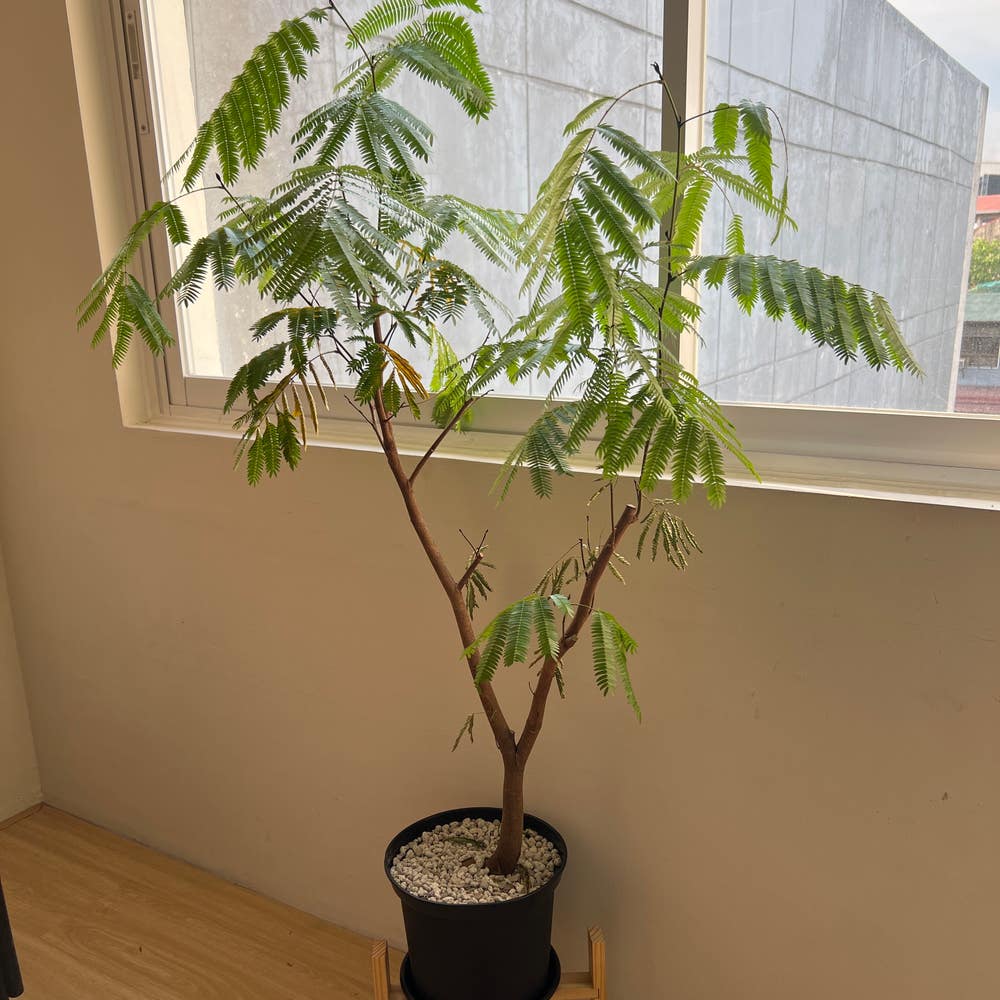
🌳 Common Mimosa Tree Problems and Solutions
Albizia julibrissin
By the Greg Editorial Team
Oct 09, 2024•5 min read
This article was created with the help of AI so we can cover more plants for you. May contain errors. See one? Report it here.
Transform your landscape 🌳 by mastering early tree health detection and care for vibrant, thriving growth!
- 🌳 Yellowing leaves and wilting indicate mimosa tree health issues; act quickly!
- 💧 Overwatering causes root rot, while underwatering leads to wilting; balance is key.
- 🌞 Insufficient light leads to leggy growth; adjust exposure for optimal health.
Identifying Unhealthy Trees
🧐 Symptoms of an unhealthy tree
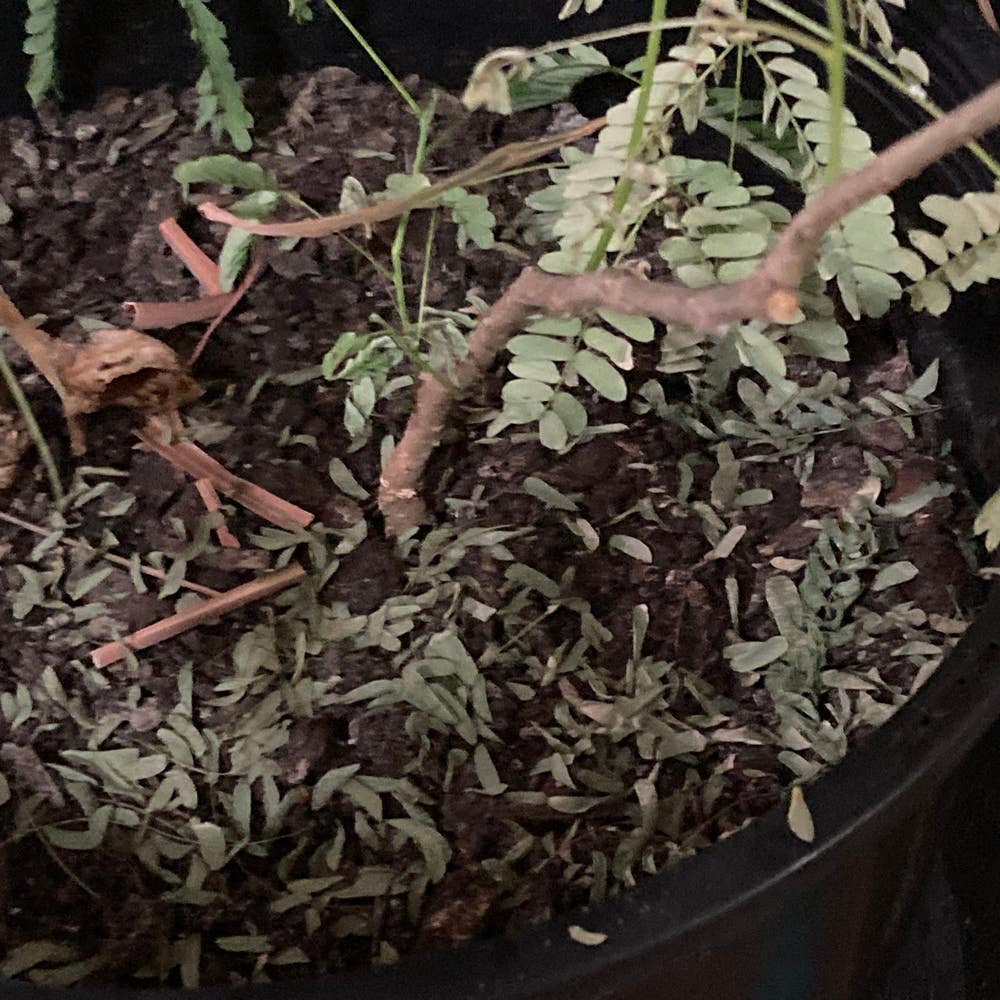
Recognizing the signs of an unhealthy tree is crucial for timely intervention. One of the first indicators is yellowing leaves, which often points to stress or nutrient deficiency.
Another common symptom is fuzzy growth. This can signal fungal issues or pest infestations that need immediate attention.
If you notice wilting or drooping leaves, it may suggest underwatering or potential root problems. Addressing these issues early can prevent further damage.
Lastly, leaning or leggy growth indicates insufficient light or improper pruning. Trees that stretch towards the light often need repositioning or a good trim to encourage healthier growth.
By staying vigilant and identifying these symptoms, you can take proactive steps to restore your tree's health. Next, let’s explore common problems specific to trees and how to tackle them effectively.
Common Problems Specific to Trees
💧 Incorrect watering
Identifying overwatering and underwatering
Overwatering can lead to yellowing leaves, mushy roots, and even trunk rot. Conversely, underwatering results in wilting leaves, dry soil, and crispy leaf edges.
Causes and solutions
Overwatering often stems from poor drainage or excessive rainfall. To remedy this, allow the soil to dry out, improve drainage, and adjust your watering schedule using the Greg plant care app.
Underwatering is typically due to infrequent watering or drought conditions. The solution is to water deeply and consistently, ensuring the soil retains moisture without becoming soggy.
☀️ Incorrect light conditions
Signs of inadequate or excessive light
Inadequate light manifests as leggy growth and sparse foliage. On the other hand, excessive light can cause scorched leaves and leaf drop.
Adjusting light exposure
To improve light conditions, move the tree to a location with filtered sunlight or partial shade. Additionally, using shade cloth during peak sunlight hours can protect your tree from scorching.
🌡️ Incorrect temperature
Recognizing temperature stress
Symptoms of temperature stress include wilting, leaf drop, and stunted growth.
Ideal temperature ranges and adjustments
The ideal temperature range for most trees is between 60°F to 80°F (15°C to 27°C). Protect your tree from frost and extreme heat by relocating it or using protective coverings.
🐛 Pests
Common pests affecting trees
Aphids are small, green insects that cause leaf curl and leave behind a sticky residue. Scale insects, with their hard, shell-like appearance, can be found on stems and leaves.
Identification and treatment methods
Regular inspections for signs of infestation are crucial. Treatment options include using insecticidal soap or neem oil and introducing beneficial insects like ladybugs.
🦠 Diseases
Common diseases
Common tree diseases include powdery mildew, which appears as white, powdery spots on leaves, and rust, characterized by orange or brown spots. Black rot shows dark lesions on leaves and stems, while blight leads to rapid wilting and leaf drop.
Symptoms, causes, and treatment options
To treat powdery mildew, increase air circulation and apply fungicides. For rust, remove affected leaves, apply fungicides, and ensure proper spacing. Address black rot and blight by improving drainage, avoiding overhead watering, and applying fungicides as needed.
🌱 Root problems
Identifying root rot and squishy roots
Symptoms of root issues include wilting despite adequate watering and a foul smell emanating from the soil.
Causes and recovery steps
Root rot is primarily caused by overwatering and poor drainage. To recover, remove affected roots, repot the tree in fresh, well-draining soil, and adjust your watering habits.
🍃 Leaf issues
Symptoms of scorching, yellowing, and fuzzy growth
Scorching appears as brown edges on leaves, often due to excessive sunlight. Yellowing can indicate nutrient deficiency or overwatering, while fuzzy growth typically signals a fungal infection or pest presence.
Causes and remedies
To combat scorching, move the tree to a shadier location. For yellowing leaves, test the soil for nutrient levels and fertilize as needed. Fuzzy growth can be treated with appropriate fungicides or pest control methods.
🌳 Growth problems
Identifying issues like not growing, not fruiting, leaning, leggy, and etiolated growth
Growth issues can manifest as poor growth due to inadequate soil quality or insufficient light. Not fruiting may result from a lack of pollinators or nutrient deficiency, while leaning often indicates unbalanced growth from inadequate light. Leggy and etiolated growth is typically a sign of insufficient light.
Solutions for each growth problem
To address these issues, improve soil quality by adding organic matter. Ensure your tree receives adequate light and consider pruning to encourage bushier growth. Additionally, attract pollinators by planting companion flowers.
Understanding these common problems and their solutions will empower you to maintain a healthy and thriving tree. Next, let’s explore preventive measures to keep your tree in top shape.
Preventive Measures
🌳 Best Practices for Healthy Trees
To keep your mimosa tree thriving, regularly check the soil moisture. Adjust your watering schedule based on the moisture level to avoid both overwatering and underwatering.
Annual pruning is essential for maintaining shape and promoting healthy growth. This simple act can significantly enhance air circulation and light penetration.
📅 Seasonal Care Reminders
Spring: Fertilize your tree and keep an eye out for pests. This is the perfect time to give your tree a nutrient boost.
Summer: Ensure your tree receives adequate watering, especially during heat waves. Providing shade can also help prevent stress.
Fall: As temperatures drop, reduce watering and prepare your tree for winter. Protect it from frost to ensure it survives the colder months.
📱 Importance of Using the Greg Plant Care App for Monitoring
Utilizing the Greg plant care app can streamline your tree care routine. Set reminders for watering, fertilizing, and pest inspections to stay on top of your tree's needs.
The app also allows you to track growth patterns, helping you adjust care as necessary. This proactive approach can make a world of difference.
👀 Encouragement for Early Detection and Treatment
Vigilance is key in maintaining a healthy tree. Early detection of issues can prevent more significant problems down the line, ensuring your mimosa tree remains a vibrant part of your landscape.
By following these preventive measures, you can cultivate a thriving environment for your tree, setting the stage for its long-term health and beauty.
⚠️ Safety First
This content is for general information and may contain errors, omissions, or outdated details. It is not medical, veterinary advice, or an endorsement of therapeutic claims.
Always consult a qualified healthcare professional before using any plant as food, medicine, or supplement.
Never eat any plant (or feed one to pets) without confirming its identity with at least two trusted sources.
If you suspect poisoning, call Poison Control (800) 222-1222, the Pet Poison Helpline (800) 213-6680, or your local emergency service immediately.
Spotted an error? Please report it here.
Ensure your mimosa tree thrives 🌳 by recognizing its needs and using Greg's personalized care reminders to keep it healthy and flourishing!