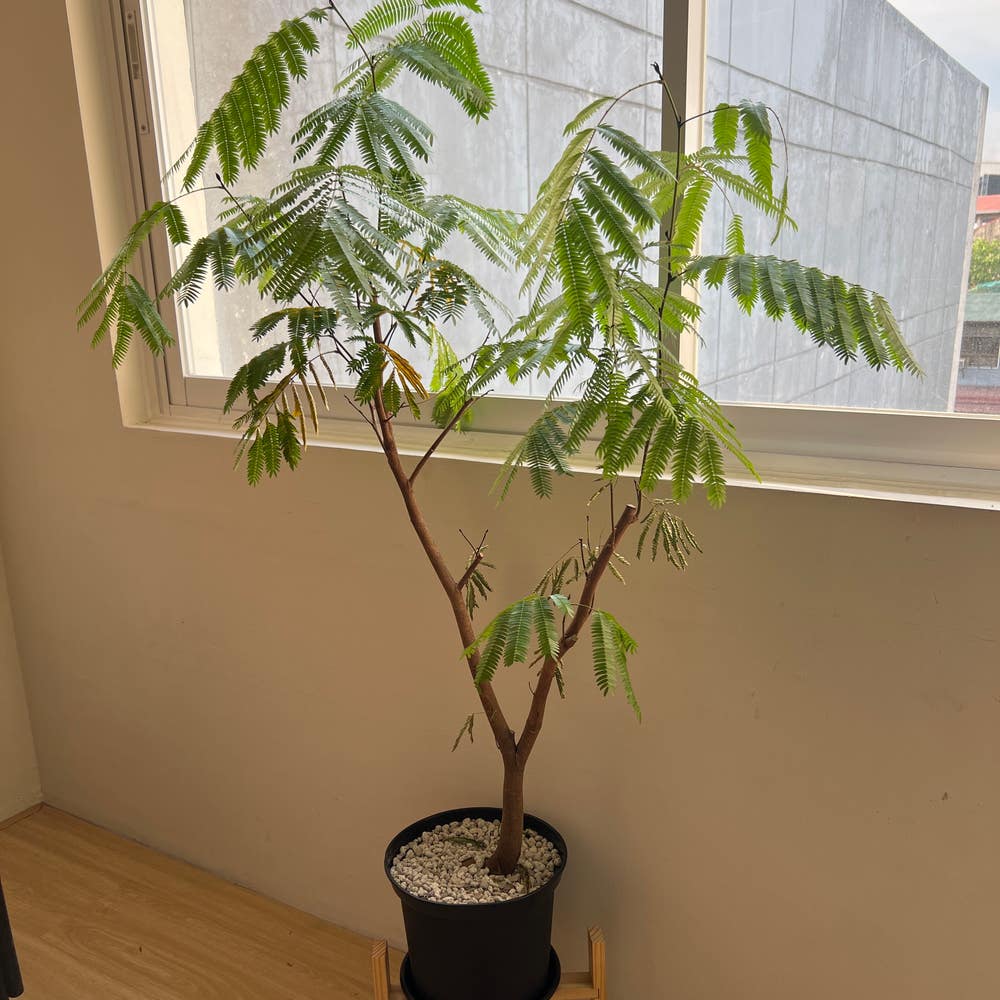
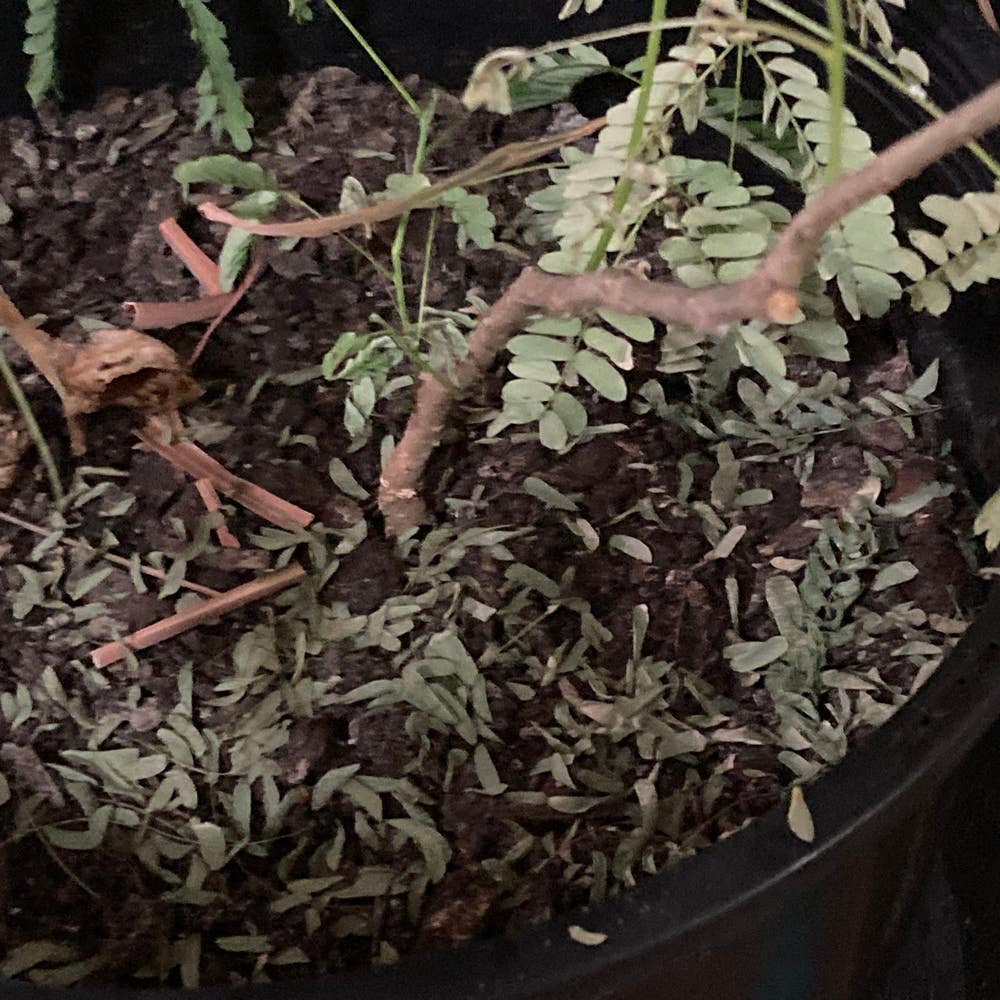
What to Do About Curling Leaves on Your Mimosa Tree 🌳
Albizia julibrissin
By the Greg Editorial Team
Oct 09, 2024•7 min read
This article was created with the help of AI so we can cover more plants for you. May contain errors. See one? Report it here.
Revive your mimosa tree by mastering the secrets to diagnosing and treating curling leaves! 🌱
- 🌱 Curling leaves indicate stress from pests, drought, or nutrient deficiencies—act quickly!
- 💧 Regular watering and humidity are crucial to prevent crispy, curling leaves.
- 🐞 Monitor for pests like aphids and spider mites to maintain tree health.
Causes of Curling Leaves
🌪️ Environmental Stress Factors
Heat Stress
Heat stress can wreak havoc on your mimosa tree. Look for symptoms like wilting and browning leaf edges, which signal that your tree is struggling.
To combat this, provide shade during peak sun hours. A little protection can go a long way in keeping your tree healthy.
Drought Conditions
Drought conditions lead to dry, crispy leaves that can be alarming. If you notice these symptoms, it’s time to adjust your watering routine.
Establish a regular watering schedule and maintain soil moisture to help your tree thrive. Consistency is key!
Humidity Levels
Low humidity can cause leaves to curl and droop, making your tree look sad. This is especially common in dry climates or during winter months.
To increase humidity, try misting the leaves or using pebble trays filled with water. Your mimosa will appreciate the extra moisture.
🐜 Pest Infestations
Aphids
Aphids are small, green or black insects that often hide on new growth. If you spot these pests, they can cause distorted leaves and leave behind a sticky residue known as honeydew.
Control methods include using insecticidal soap or introducing natural predators like ladybugs. These friendly insects can help keep aphid populations in check.
Spider Mites
Spider mites are sneaky little pests that leave fine webbing and stippled leaves in their wake. If you see yellowing and curling leaves, these mites might be the culprits.
To manage spider mites, increase humidity, use miticides, and conduct regular inspections. Staying vigilant can prevent a larger infestation.
🍄 Fungal Infections
Powdery Mildew
Powdery mildew appears as white, powdery spots on leaves and can significantly affect your tree's health. This fungal infection leads to leaf curling and reduced vigor.
To combat this, apply fungicides, improve air circulation, and avoid overhead watering. Keeping leaves dry can help prevent this issue.
🥦 Nutrient Deficiencies
Nitrogen Deficiency
If your mimosa tree shows yellowing leaves and stunted growth, it may be suffering from nitrogen deficiency. This nutrient is crucial for healthy foliage.
Applying a balanced fertilizer with nitrogen can help restore your tree's vitality. A little boost can make a big difference!
Potassium Deficiency
Potassium deficiency manifests as leaf curling and browning edges. This nutrient is vital for overall plant health and resilience.
Fertilizing with potassium-rich products can remedy this issue. Ensuring your tree gets the right nutrients is essential for its long-term health.
Understanding these causes of curling leaves is the first step in nurturing your mimosa tree back to health. Next, we’ll explore how to diagnose these issues effectively.
Diagnosing Leaf Curl
Identifying Symptoms 🌿
Curling leaves can signal various issues with your mimosa tree. Look for visual signs like curling, yellowing, and drooping leaves, which can indicate stress or disease.
Timing is crucial; observe these changes throughout different seasons. Seasonal variations can exacerbate symptoms, so keep a close eye on your tree year-round.
Differentiating Between Pest and Disease-Related Curl 🐛
Identifying whether pests or diseases are causing leaf curl is essential for effective treatment. Pest-related signs often include the presence of insects and sticky residue on leaves.
In contrast, disease-related symptoms may feature fungal growth or discoloration. Knowing the difference can save you time and effort in addressing the root cause.
Assessing Environmental Conditions 🌍
Environmental factors play a significant role in leaf health. Start by evaluating soil moisture levels; too much or too little can lead to curling leaves.
Additionally, check for extreme temperatures or humidity fluctuations. These conditions can stress your mimosa tree, making it more susceptible to curling leaves.
Understanding these elements will help you diagnose the problem accurately and take the necessary steps to restore your tree's health.
Treatment Options
🌱 Organic Pest Control Methods
Insecticidal Soap Application
Insecticidal soap is a powerful ally against pests like aphids. To apply it effectively, follow these steps:
- Choose the Right Product: Look for a commercial insecticidal soap or make your own using pure soap and water.
- Test First: Spray a small area of the plant to check for any adverse reactions.
- Apply Generously: Spray the affected areas thoroughly, ensuring you cover both the tops and undersides of leaves.
- Repeat as Needed: Reapply every 5-7 days until the pests are under control.
Natural Predators
Introducing beneficial insects can be a game-changer. Ladybugs and lacewings are excellent choices as they feast on aphids and other pests.
- Release Timing: Release them in the evening to prevent them from flying away.
- Habitat: Ensure your garden has a diverse plant life to keep them around.
🍄 Fungal Treatment Options
Application of Fungicides
Fungicides can help combat fungal infections like powdery mildew. Timing is crucial for effectiveness:
- Early Intervention: Apply at the first sign of infection.
- Frequency: Follow the product instructions, usually every 7-14 days.
Cultural Practices
Preventing fungal growth is often about good practices:
- Improve Air Circulation: Space your plants adequately to allow airflow.
- Avoid Overhead Watering: Water at the base of the plant to keep leaves dry.
💧 Adjusting Watering Practices
Establishing a Consistent Watering Schedule
Consistency is key for healthy mimosa trees.
- Frequency: Water deeply once a week, adjusting based on rainfall.
- Amount: Ensure the soil is moist but not soggy.
Signs of Overwatering vs. Underwatering
Recognizing the signs can save your tree:
- Overwatering: Yellowing leaves and root rot.
- Underwatering: Crispy, dry leaves and wilting.
🌿 Fertilization Strategies
Choosing the Right Fertilizer
Selecting the right fertilizer is essential for growth.
- NPK Ratios: Look for a balanced fertilizer with equal parts nitrogen, phosphorus, and potassium for overall health.
Timing of Application
When you fertilize matters just as much as what you use:
- Spring Awakening: Apply in early spring as new growth begins.
- Mid-Season Boost: A second application in mid-summer can support ongoing growth.
By implementing these treatment options, you can effectively address the curling leaves on your mimosa tree. With the right care, your tree can thrive and flourish, setting the stage for the next section on preventive measures.
Preventive Measures
Regular Monitoring for Pests 🐜
Keeping an eye on your mimosa tree is crucial. Conduct weekly inspections during the growing season to catch any issues early.
Look for signs like discoloration, webbing, or sticky residue. These can indicate pest infestations that need immediate attention.
Proper Watering Techniques 💧
Maintaining soil moisture is essential for your tree's health. Use your finger to check the top inch of soil; if it feels dry, it’s time to water.
Good drainage is equally important. Avoid waterlogged conditions that can lead to root rot and other complications.
Soil Health and Amendments 🌱
Testing your soil's pH and nutrient levels can make a big difference. Regular testing helps you understand what your tree needs to thrive.
Consider adding compost or organic fertilizers to enrich the soil. These amendments can boost nutrient levels and improve overall health.
Seasonal Care Tips 🌦️
Adjust your care routine based on the seasons. Watering and fertilization schedules should change as temperatures fluctuate.
Be proactive in preparing for extreme weather conditions. Protective measures can safeguard your tree from stress during harsh climates.
By implementing these preventive measures, you can help ensure your mimosa tree remains healthy and vibrant. This proactive approach sets the stage for effective post-treatment care, which we’ll explore next.
Post-Treatment Care
Monitoring Recovery 🌱
After treatment, keep an eye out for signs of improvement in your mimosa tree. Look for new growth and healthier leaves, which indicate that your efforts are paying off.
Check your tree weekly to assess its recovery progress. Regular inspections will help you catch any lingering issues early.
Adjusting Care Based on Response 🔄
As your tree starts to bounce back, be ready to modify your watering and fertilization practices. Tailoring your care based on how well your tree is responding can make a significant difference.
Stay vigilant for any recurring problems. If you notice issues resurfacing, it may be time to reassess your treatment approach.
Long-Term Health Strategies 🌳
Establish a routine care schedule to keep your mimosa tree thriving. Seasonal checklists can help you stay organized and ensure you’re meeting your tree's needs throughout the year.
Remember, maintaining overall tree health is crucial for preventing future issues. A healthy tree is more resilient and better equipped to handle stressors.
⚠️ Safety First
This content is for general information and may contain errors, omissions, or outdated details. It is not medical, veterinary advice, or an endorsement of therapeutic claims.
Always consult a qualified healthcare professional before using any plant as food, medicine, or supplement.
Never eat any plant (or feed one to pets) without confirming its identity with at least two trusted sources.
If you suspect poisoning, call Poison Control (800) 222-1222, the Pet Poison Helpline (800) 213-6680, or your local emergency service immediately.
Spotted an error? Please report it here.
Keep your mimosa tree vibrant and healthy 🌿 by using Greg's tailored reminders for watering and pest management to tackle curling leaves before they become a problem!