Everything You Need to Know About Indian Corn Cob 🌽
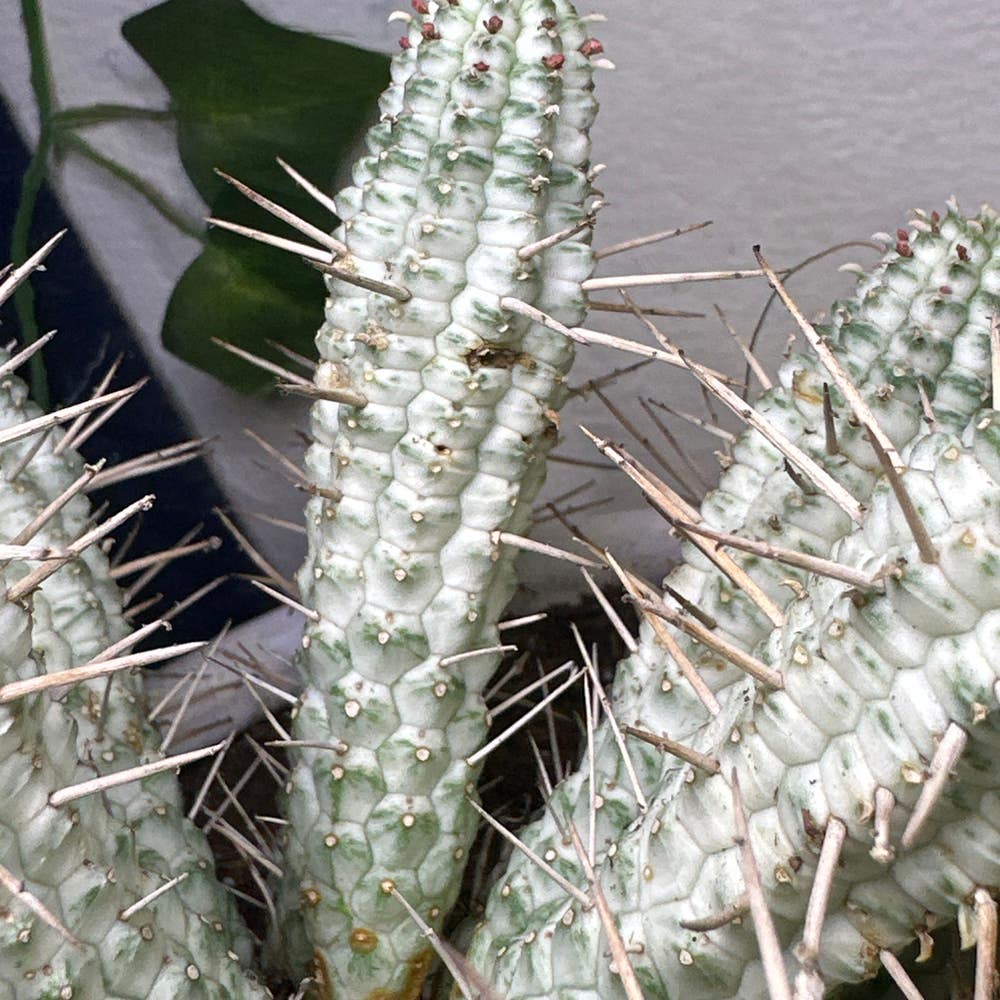
Euphorbia venefica
By the Greg Editorial Team
Jan 24, 2025•12 min read
This article was created with the help of AI so we can cover more plants for you. May contain errors. See one? Report it here.
- 🌞 Indian corn needs 6-8 hours of full sun daily for optimal growth.
- 🌱 Well-draining, fertile loam with pH 5.8-7.0 is ideal for planting.
- 🚫 Certain parts are toxic to humans and pets; monitor for symptoms like nausea.
How to Grow Indian Corn Cob
🌞 Choosing a Location
To grow Indian corn cob successfully, select a spot that receives full sun exposure for at least 6 to 8 hours daily. Additionally, consider wind protection and ensure proper drainage to promote healthy growth.
🌱 Soil Preparation and Amendments
Indian corn thrives in well-draining, fertile loam soil with a pH between 5.8 and 7.0. Enhance your soil by adding compost and organic matter to boost fertility and structure.
🌾 Planting Techniques and Spacing
When planting, sow seeds at a depth of 1 to 2 inches. Space your plants 12 to 36 inches apart, depending on the variety, and aim to plant after the last frost date for optimal growth.
💧 Watering Requirements and Schedules
Water your Indian corn weekly to maintain consistent moisture levels. Be vigilant for signs of overwatering, such as yellowing leaves, or underwatering, indicated by wilting.
🌿 Fertilizing Strategies for Healthy Growth
Start with a balanced NPK fertilizer at planting to give your corn a strong start. As the plants grow, side-dress with nitrogen to support ongoing development and yield.
✂️ Pruning and Ongoing Care Tips
Regularly prune by removing any damaged leaves and suckers to encourage healthy growth. Keep an eye out for pests and diseases to address issues early.
🪴 Container Growing Considerations
If you're growing Indian corn in containers, choose pots that are at least 5 gallons in size. Ensure the soil meets the same requirements as in-ground planting, and adjust your watering schedule accordingly to prevent drying out.
Growing Indian corn can be a rewarding experience, providing not just a beautiful harvest but also a connection to agricultural traditions. Next, let’s explore how to propagate this vibrant plant effectively.
Propagation
🌱 Seed Propagation Methods
Growing Indian corn starts with seed propagation, which is straightforward and effective. Sowing seeds directly into the ground is the most common method, ideally done after the last frost date for optimal germination.
For best results, plant seeds at a depth of 1-2 inches. This ensures they have enough soil coverage to retain moisture while still being close to the surface for warmth and light.
🌿 Transplanting Seedlings
If you start your seeds indoors, timing is crucial for transplanting. Wait until the seedlings are 2-3 weeks old and have developed a few true leaves before moving them outdoors.
Before transplanting, it's essential to harden off your seedlings. Gradually acclimate them to outdoor conditions by placing them outside for a few hours each day, increasing the time over a week. This process helps reduce transplant shock and promotes healthy growth.
With these propagation techniques, you’ll be well on your way to cultivating a vibrant crop of Indian corn. Next, let’s explore the lifecycle of this fascinating plant.
Lifecycle
🌱 Life Cycle Stages
Indian corn is an annual plant, meaning it completes its entire life cycle within a single growing season. This rapid cycle allows gardeners to enjoy the fruits of their labor in just a few months.
🌾 Germination Process and Timeline
Germination typically occurs within 5 to 10 days when conditions are optimal. Warm soil and adequate moisture are key to kickstarting this exciting phase.
🌿 Seedling Stage Characteristics
During the seedling stage, the plant develops true leaves and establishes its root system. This foundational growth is crucial for future health and productivity.
🌳 Vegetative Growth Phase
As the plant enters the vegetative growth phase, expect rapid growth and lush leaf development. This is when Indian corn showcases its vibrant green foliage.
🌸 Flowering and Seed Production
Flowering occurs approximately 60 to 100 days after planting. During this time, pollination takes place, leading to kernel development that will eventually yield the colorful corn cobs we admire.
⏳ Lifespan and Growth Rate
The overall lifespan of Indian corn is confined to one growing season. During peak growth, the plant can grow 1 to 2 inches per week, making it a dynamic addition to any garden.
This lifecycle overview highlights the fascinating journey of Indian corn from seed to harvest. Understanding these stages can help you cultivate a thriving crop, setting the stage for the next section on size and growth characteristics.
Size
Mature Height and Spread 🌽
Indian corn cob plants typically reach a height of 5 to 10 feet. Their spread can vary from 2 to 3 feet, depending on the specific variety you choose to grow.
Growth Rate and Time to Full Size ⏳
These plants take approximately 90 to 120 days to mature fully. Several factors influence their growth rate, including soil quality, water availability, and the amount of sunlight they receive.
Size Variability Based on Growing Conditions 🌧️
The size of Indian corn can vary significantly based on growing conditions. Nutrient availability and environmental stressors, such as drought or excessive rain, can impact overall plant size and health.
Understanding these size characteristics is essential for planning your garden layout. With the right conditions, you can enjoy a robust and visually striking display of Indian corn.
Roots
Characteristics of the Root System 🌱
Indian corn cob features a fibrous root system that is essential for its stability and nutrient uptake. These roots can reach depths of up to 3 feet, allowing the plant to access moisture and nutrients from various soil layers.
Common Root-Related Issues and Solutions ⚠️
One common issue is root rot, which manifests as wilting and yellowing leaves. To combat this, focus on improving drainage and adjusting your watering practices to prevent excess moisture.
Identifying Healthy vs. Unhealthy Roots 🧐
Healthy roots are characterized by their firm, white appearance and even spread throughout the soil. In contrast, unhealthy roots may appear dark, mushy, or emit a foul smell, indicating potential problems.
Recognizing Rootbound Plants and Corrective Actions 🔄
If you notice roots growing out of the drainage holes, your plant may be rootbound. The best solutions include repotting the plant into a larger container or performing root pruning to encourage healthier growth.
Understanding the root system of Indian corn is crucial for its overall health and productivity. With proper care, you can ensure robust growth and a bountiful harvest. Next, let's explore the benefits of growing this vibrant plant.
Benefits
Nutritional Benefits 🌽
Indian corn cob is a powerhouse of nutrition, rich in carbohydrates and fiber. This makes it an excellent choice for those looking to boost their energy levels and support digestive health.
Cultural Significance 🎉
Beyond its nutritional value, Indian corn holds a special place in Native American traditions and festivals. It symbolizes harvest and sustenance, reflecting a deep connection to the land and cultural heritage.
Aesthetic Appeal 🌈
The vibrant, colorful kernels of Indian corn add a striking visual element to gardens and displays. Their unique hues can brighten up any space, making them a favorite for decorative purposes.
Attracting Beneficial Wildlife 🐦
Indian corn is not just a feast for humans; it also attracts beneficial wildlife. Pollinators like bees and various birds are drawn to the plant, promoting a healthy ecosystem in your garden.
Use in Traditional Crafts 🎨
The versatility of Indian corn extends to traditional crafts as well. Its colorful cobs are popular for fall decorations, wreaths, and other creative projects, showcasing the beauty of nature in artistic forms.
Incorporating Indian corn into your garden not only enhances its beauty but also enriches your cultural and nutritional landscape. Next, let’s explore companion planting and how it can further benefit your Indian corn cultivation.
Companion Plants
Companion Planting Benefits 🌱
Companion planting is a fantastic strategy for enhancing growth and managing pests in your garden. By pairing plants that support each other, you can create a more diverse and resilient ecosystem.
Best Companion Plants 🌽
- Beans: These legumes are excellent companions for Indian corn as they fix nitrogen in the soil, enriching it for the corn's growth.
- Squash: Squash plants act as a natural ground cover, helping to suppress weeds and retain soil moisture, which benefits the corn.
Plants to Avoid 🚫
When planting Indian corn, steer clear of other maize varieties. This is crucial to prevent cross-pollination, which can lead to undesirable traits in your corn crop.
By carefully selecting companion plants, you can optimize your Indian corn's growth and health while creating a vibrant garden environment. Next, let’s explore the potential toxicity of Indian corn to humans, dogs, and cats.
Toxicity to Humans
Identification of Toxic Parts 🌽
Indian corn cob can be a beautiful addition to your garden, but it's essential to know that certain parts of the plant are toxic. The kernels and plant sap are the primary culprits, posing risks if ingested or handled improperly.
Symptoms of Poisoning 🤢
If someone comes into contact with these toxic parts, they may experience unpleasant symptoms. Common signs include nausea, vomiting, diarrhea, and dizziness, which can be alarming.
How Poisoning Can Occur ⚠️
Poisoning typically occurs through the ingestion of kernels or exposure to the sap. This can happen accidentally, especially if children or pets are around, so vigilance is key.
When to Seek Medical Care 🚑
If severe symptoms arise, it's crucial to seek immediate medical attention. Prompt care can make a significant difference in recovery, so don’t hesitate to act if you suspect poisoning.
Understanding the potential toxicity of Indian corn cob helps ensure a safe gardening experience. Next, let’s explore how this plant can affect our furry friends, particularly dogs.
Toxicity to Dogs
Toxic Parts for Dogs 🌽
Indian corn cob can pose a serious risk to dogs. The kernels and plant material are particularly harmful if ingested.
Symptoms of Poisoning 🤢
If your dog consumes any part of the corn plant, watch for symptoms like vomiting, drooling, and weakness. These signs indicate that your furry friend may need immediate attention.
Prevention Measures 🛡️
To keep your dog safe, supervise their outdoor time closely. It's also wise to remove any Indian corn plants from your garden to eliminate the risk of accidental ingestion.
Importance of Veterinary Care 🏥
If you suspect your dog has ingested corn kernels or plant material, seek veterinary care right away. Quick action is crucial to ensure your pet's health and well-being.
As you enjoy the beauty of Indian corn in your garden, remember to keep your canine companions safe from its toxic parts.
Toxicity to Cats
Toxic Parts for Cats 🐱
Indian corn cob can pose a serious risk to our feline friends. The kernels and sap are particularly toxic, making it essential for cat owners to be aware of these dangers.
Symptoms of Poisoning 🤢
If a cat ingests these toxic parts, symptoms may include vomiting, diarrhea, and weakness. These signs can escalate quickly, so vigilance is key.
Prevention Measures 🚫
To keep your cat safe, it’s best to keep them indoors and supervise their outdoor time. This simple step can prevent accidental ingestion of harmful plant materials.
Importance of Veterinary Care 🏥
If you suspect your cat has ingested any part of the Indian corn cob, seek immediate veterinary care. Quick action can make all the difference in ensuring your pet's health and safety.
By understanding these risks and taking preventive measures, you can enjoy your gardening while keeping your furry companions safe. Next, let’s explore the potential toxicity of Indian corn cob to dogs.
Problems
Common Problems Faced 🌽
Growing Indian corn can be rewarding, but it comes with its share of challenges. Overwatering is a common issue, often indicated by yellowing leaves and root rot, while underwatering leads to wilting and dry leaf tips.
Identifying Symptoms of Unhealthy Plants 🧐
Recognizing the signs of distress in your plants is crucial. Look for stunted growth and discoloration, which can signal that something is off in your care routine.
Solutions for Common Issues 🛠️
To tackle these problems, adjust your watering schedule to maintain consistent moisture. Additionally, ensure your plants receive adequate light to promote healthy growth and vitality.
Bugs
Potential Pest Issues 🐛
When growing Indian corn, it's essential to be aware of potential pest issues. Some pests can be quite resistant, while others may easily invade your plants, leading to significant damage.
Identification of Common Pests 🔍
Two common culprits to watch for are spider mites and aphids. Spider mites leave fine webbing on leaves, while aphids create a sticky residue and cause leaves to curl.
Damage Caused by Pests 💔
Pests can wreak havoc on your corn plants, resulting in stunted growth and reduced yield. It's crucial to identify these issues early to mitigate their impact.
Effective Treatment Options 💊
For pest control, you have options ranging from organic treatments to chemical solutions. Regular monitoring and prompt action can help keep your Indian corn healthy and thriving.
By staying vigilant and proactive, you can protect your corn from these pesky invaders and ensure a bountiful harvest. Next, let’s explore what animals might be lurking around, looking to munch on your corn cobs.
What Eats Indian Corn Cob
🦌 Common Animals That May Damage
Indian corn cob can attract a variety of hungry critters. The most common culprits include deer, rabbits, squirrels, and birds, all of which can wreak havoc on your crops.
🕵️♂️ Signs of Animal Presence
To identify if these animals are visiting your garden, look for specific signs. Tracks, droppings, and chewed leaves are clear indicators that your corn is being targeted.
🚫 Deterrent Methods
Preventing these animals from munching on your corn can be achieved through several effective strategies.
- Fencing: Erecting a sturdy fence can keep larger animals like deer and rabbits at bay.
- Repellents: Using natural or commercial repellents can deter smaller pests, such as squirrels and birds.
- Companion Planting: Incorporating plants that repel these animals can create a more secure environment for your corn.
By implementing these methods, you can protect your Indian corn cob and enjoy a bountiful harvest. Next, let’s explore the nutritional benefits of this vibrant crop.
⚠️ Safety First
This content is for general information and may contain errors, omissions, or outdated details. It is not medical, veterinary advice, or an endorsement of therapeutic claims.
Always consult a qualified healthcare professional before using any plant as food, medicine, or supplement.
Never eat any plant (or feed one to pets) without confirming its identity with at least two trusted sources.
If you suspect poisoning, call Poison Control (800) 222-1222, the Pet Poison Helpline (800) 213-6680, or your local emergency service immediately.
Spotted an error? Please report it here.
Cultivating Indian corn is thrilling 🌽 when you leverage Greg's tailored care reminders and expert tips to help your plants thrive and achieve a bountiful harvest!