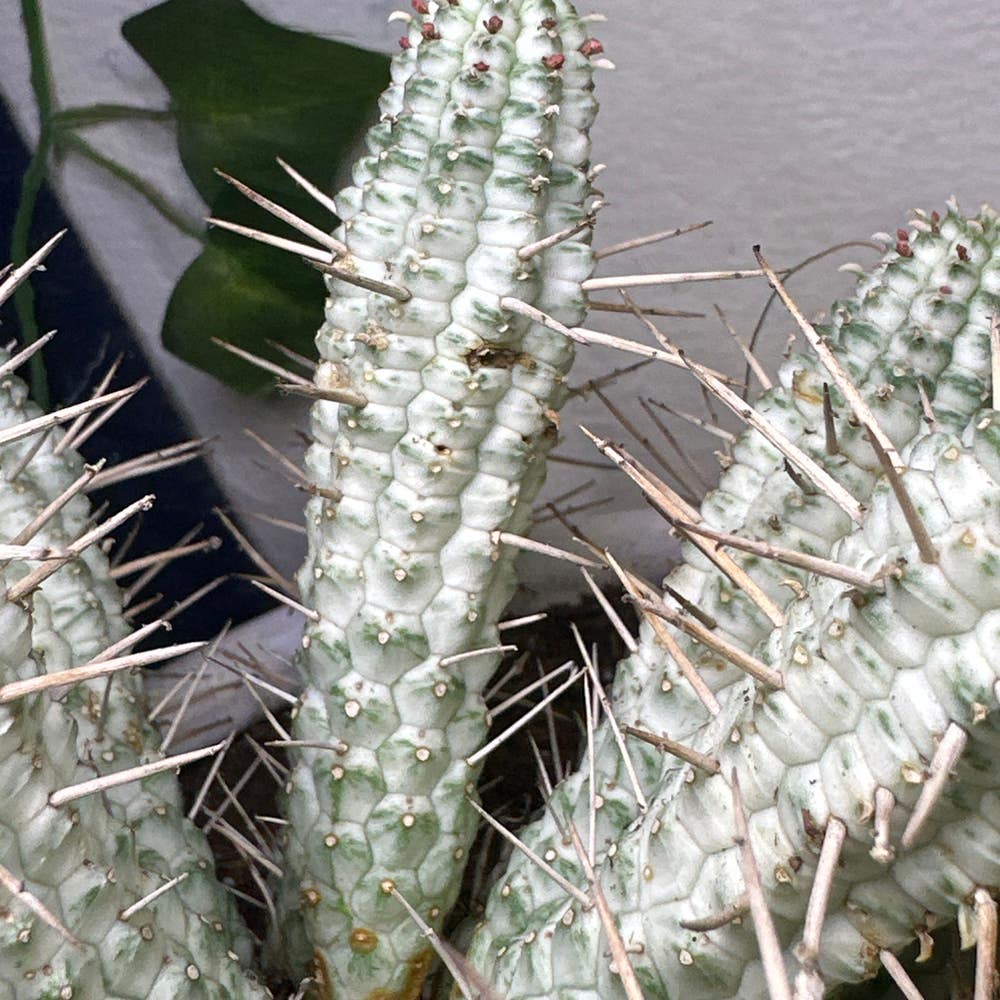
Am I Starving My Euphorbia venefica? Fertilizing 101
Euphorbia venefica
By the Greg Editorial Team
Jun 18, 2024•4 min read
This article was created with the help of AI so we can cover more plants for you. May contain errors. See one? Report it here.
- Organic vs. Synthetic: Organic is eco-friendly but slower for Euphorbia venefica.
- NPK Ratio Matters: Essential for Euphorbia venefica's healthy growth.
- Seasonal Fertilizing: Adjust frequency and mix for growth and blooming phases.
Picking the Perfect Fertilizer for Your Euphorbia venefica
💚 Organic vs. Synthetic: Which Way to Go?
In the quest for Euphorbia venefica vitality, the organic versus synthetic fertilizer debate rages on. Organic fertilizers are the tortoises of the race—slow and steady, feeding your plant and the soil's ecosystem over time. They're the eco-conscious choice, but patience is key; they don't deliver instant gratification. On the flip side, synthetic fertilizers are the hares, offering quick results and precise nutrient control. However, they can be a double-edged sword, potentially leading to soil degradation and salt accumulation if misused.
🌱 NPK: Decoding the Numbers for Euphorbia Health
The ideal NPK ratio for your Euphorbia venefica is a bit like a secret handshake—it's crucial to get it right. NPK stands for nitrogen (N), phosphorus (P), and potassium (K), the three musketeers of plant nutrients. Each number represents the percentage of these elements in the mix. For this succulent, aim for a balanced ratio, or one slightly higher in phosphorus to promote healthy growth without encouraging the leggy sprawl that too much nitrogen can cause. Remember, overdoing it can be just as bad as not doing enough.

Timing is Everything: When to Fertilize Euphorbia venefica
⏰ Seasonal Smarts: Fertilizing Through the Year
Euphorbia venefica, like a clockwork, has its own seasonal rhythm. During the growing season, which is typically from spring to summer, it's all systems go. This is when you'll want to fertilize every two to four weeks using a balanced, water-soluble fertilizer at half strength.
Come fall, it's time to dial it back. As growth slows, so should your fertilization—think of it as easing off the gas pedal. Winter is the plant's downtime; it's more about maintenance than growth, so you can cut back to fertilizing bimonthly or even less.
🌱 Application Techniques: How to Fertilize Without Harm
Now, let's talk application. It's not just what you feed your Euphorbia venefica, but how. Direct contact with fertilizer can be a root's worst nightmare, leading to burns and a world of hurt. To avoid this, water your plant before fertilizing. It's like prepping the soil for a gentle nutrient spa rather than a shock treatment.
When applying the fertilizer, keep it away from the plant's base. Think of it as a no-fly zone; you want to distribute the nutrients in the surrounding soil where the roots can comfortably reach out and absorb them. This method encourages healthy root spread without the risk of damage.
Remember, more isn't always better. Overzealous fertilizing is like binge-eating junk food—it can do more harm than good. Keep an eye on your plant's response, and adjust your approach accordingly. It's about finding that sweet spot where your Euphorbia venefica feels nourished but not overwhelmed.

Recognizing the Signs: Nutrient Deficiency and Overload
🚨 Spotting Trouble: Symptoms of Deficiency in Euphorbia venefica
Your Euphorbia venefica is a drama queen when it's hungry. Yellow leaves? It's screaming for nitrogen. If it's all leaves, no flowers, it's stuffed with nitrogen and starving for phosphorus and potassium.
Stunted growth and weak stems? It's putting on a lackluster performance due to a general nutrient deficiency. Bronzish lower leaves hint at a phosphorus shortage, while pale new growth could be crying out for iron.
💥 Too Much of a Good Thing: Signs of Over-Fertilization
Over-fertilization is like giving your plant a nutrient overdose. Curling leaf tips that turn yellow or brown are the plant's SOS. An oversaturated deep green color is a telltale sign of too much love in the form of fertilizer.
Wilting leaves with wet soil? That's overfeeding, not overwatering. Salt crusts on the soil surface are like leftover plates after a feast—it's too much.
Remember, your Euphorbia venefica isn't a garbage disposal. It can't handle everything you throw at it. Keep an eye out for these signs, and your plant won't have to put on a tragedy.

Fertilizing for Fabulous Flowers
💐 The Blooming Boost: Fertilizer Adjustments for Flowering
Euphorbia venefica's blooming phase is a spectacle, and the right fertilizer mix is its backstage pass. Increase phosphorus slightly to set the stage for those stunning blooms. But, remember to ease off the nitrogen—too much green leafy growth can steal the show from the flowers.
🚑 The Rescue Remedy: Flushing Out Excess Fertilizer
When you've crossed the line into over-fertilization territory, it's time for a plant detox. Flush the soil with water to wash away the nutrient excess. Think of it as a cleanse for your plant's roots. If the situation's dire, consider a soil transplant—like a fresh start for your overindulged Euphorbia venefica. Give it a few weeks of rest before the next fertilization round—patience is key to recovery.
⚠️ Safety First
This content is for general information and may contain errors, omissions, or outdated details. It is not medical, veterinary advice, or an endorsement of therapeutic claims.
Always consult a qualified healthcare professional before using any plant as food, medicine, or supplement.
Never eat any plant (or feed one to pets) without confirming its identity with at least two trusted sources.
If you suspect poisoning, call Poison Control (800) 222-1222, the Pet Poison Helpline (800) 213-6680, or your local emergency service immediately.
Spotted an error? Please report it here.
Achieve the perfect balance ⚖️ in feeding your Euphorbia venefica with Greg's custom fertilizing reminders, ensuring a lush and healthy plant without the guesswork.