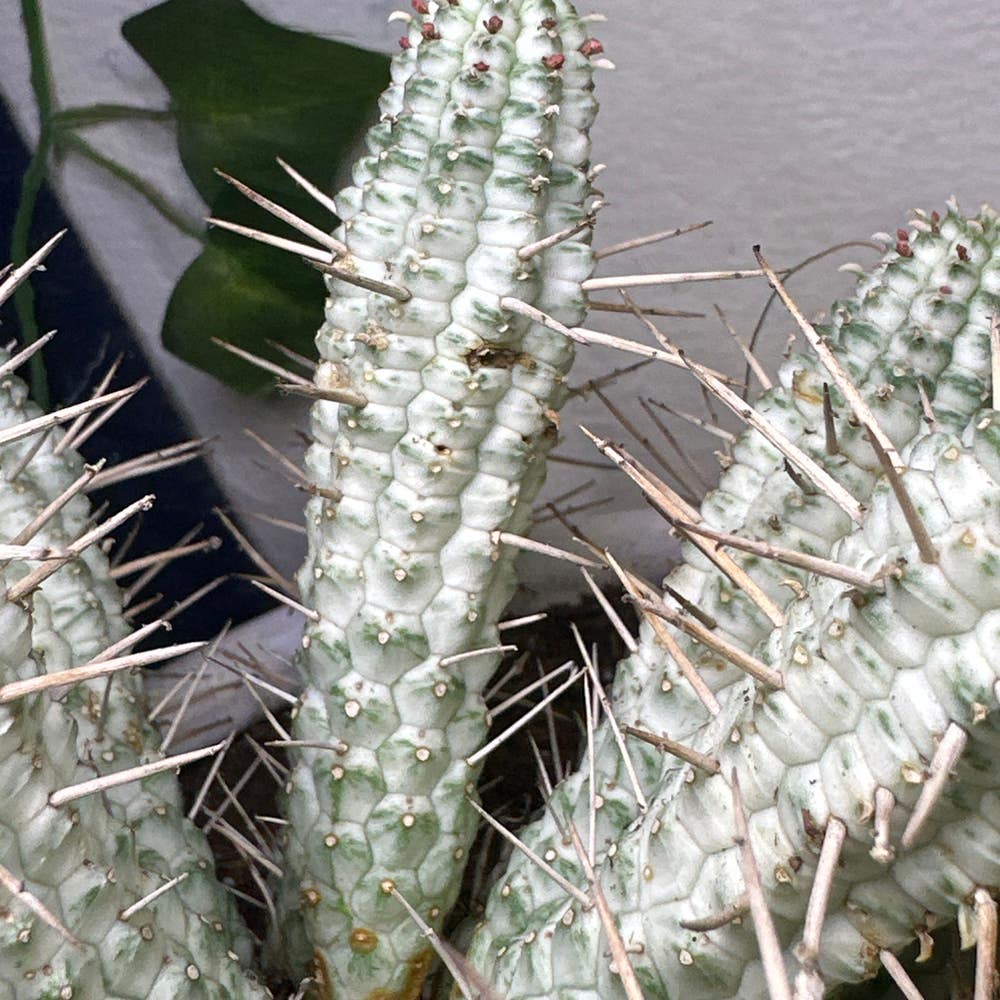
🌵 Is Direct Sunlight Good for My Corncob Cactus?
Euphorbia venefica
By the Greg Editorial Team
Jun 18, 2024•4 min read
This article was created with the help of AI so we can cover more plants for you. May contain errors. See one? Report it here.
- 🌞 Direct sunlight is vital but too much can cause sunburn and stunted growth.
- South-facing windows are best in the Northern Hemisphere for optimal light.
- Rotate and adjust seasonally to maintain health and prevent sunburn.
When the Sun Kisses the Corncob Cactus
🌞 What Direct Sunlight Means for Your Spiky Friend
Direct sunlight is the unfiltered solar embrace your Corncob Cactus might crave, while indirect sunlight is its cooler cousin, offering a respite from the intense rays. It's crucial to distinguish between the two to provide the right conditions for your cactus.
🌡️ Can Your Corncob Cactus Handle the Heat?
Naturally adapted to bask in the desert's unforgiving sun, the Corncob Cactus is a heat enthusiast. Mimicking its native habitat, it thrives when placed within a foot of a sunny window, soaking up those golden rays.
🚨 Signs Your Cactus is Soaking Up Too Much Sun
Too much sun can leave your cactus looking sunburnt or bleached. Watch for a fading green color or stunted growth as red flags. If your cactus could talk, it'd probably tell you it's had enough sunbathing for the day.

Where to Place Your Corncob Cactus for the Perfect Tan
🌞 Window Direction: A Compass for Plant Parents
Finding the optimal spot for your Corncob Cactus isn't just about avoiding the shade; it's about strategic positioning. South-facing windows are the VIP lounges of sunlight, offering a full day's worth of rays perfect for these sun-seekers. East-facing windows provide a gentle morning light, easing your cactus into the day without the risk of sunburn. West-facing windows, with their intense afternoon sun, can be the equivalent of a midday desert—hot and potentially overwhelming. And north-facing windows? They're the low-key cousins, offering a more subdued light that might leave your cactus wanting.
🌍 Hemisphere Hacks: Maximizing Sunlight for Your Cactus
Your cactus doesn't care about geography, but you should. In the Northern Hemisphere, south-facing windows are the golden ticket for maximum sun exposure. Flip the script if you're in the Southern Hemisphere—north-facing windows are your go-to. This isn't just about giving your cactus a tan; it's about simulating its natural habitat to promote healthy growth. Remember, the sun's angle changes with the seasons, so be ready to shuffle your cactus around for that perfect balance of light.

Seasonal Sun Shifts: Adapting to the Cactus's Needs
🌞 Summer vs. Winter Sun: What's the Difference for Your Cactus?
Understanding the seasonal changes in light intensity and duration is crucial for your Corncob Cactus's health. In summer, the sun is a high-energy friend, but too much can lead to a sunburnt cactus. Winter sun, on the other hand, is milder, and your cactus may crave extra hours of this gentler light.
🌵 Adjusting Your Cactus's Sun Exposure Throughout the Year
To keep your cactus thriving, adjust its sunbathing routine with the seasons. Rotate the plant periodically for even light exposure. In summer, shield it from the intense midday sun. As the days shorten, let it soak up more of those precious winter rays. If natural light is lacking, consider supplementing with grow lights. Remember, it's about finding the sweet spot where your cactus gets just enough light without turning into a crispy critter.

Beyond Sunlight: Ensuring Your Corncob Cactus Thrives
🌡️ Temperature and Humidity: The Supporting Cast
Temperature and humidity are the unsung heroes in the life of your Corncob Cactus. They work behind the scenes, ensuring that the spotlight of sunlight doesn't lead to a tragic performance. Keep your cactus in temperatures between 50-80°F to avoid the drama of cold shocks or heat waves. Humidity should be like a quiet understudy—present but not overpowering. High humidity can turn your cactus's habitat from a comfy stage to a steamy sauna, so aim for dry air to hit the sweet spot.
🩹 First Aid for Sunburned Cacti
Sunburn on a cactus is like a bad tattoo—it's an unsightly reminder of a lapse in judgment. If your cactus is showing brown, crispy patches, it's time for some TLC. Move it to a shadier spot to give it a break from the harsh limelight. Hydration is key, but don't drown your cactus in kindness; water only when the soil is dry. If you're dealing with a real solar scorcher, a shade cloth during peak hours can be as protective as a bodyguard against further damage. Remember, recovery is a slow show, so be patient as your cactus heals from its sunburn.
⚠️ Safety First
This content is for general information and may contain errors, omissions, or outdated details. It is not medical, veterinary advice, or an endorsement of therapeutic claims.
Always consult a qualified healthcare professional before using any plant as food, medicine, or supplement.
Never eat any plant (or feed one to pets) without confirming its identity with at least two trusted sources.
If you suspect poisoning, call Poison Control (800) 222-1222, the Pet Poison Helpline (800) 213-6680, or your local emergency service immediately.
Spotted an error? Please report it here.
Ensure your Corncob Cactus thrives in just the right light by using Greg to navigate seasonal sun shifts 🌵, avoiding sunburn and promoting healthy growth.