🌽 What Do I Do About Corncob Cactus Root Rot?
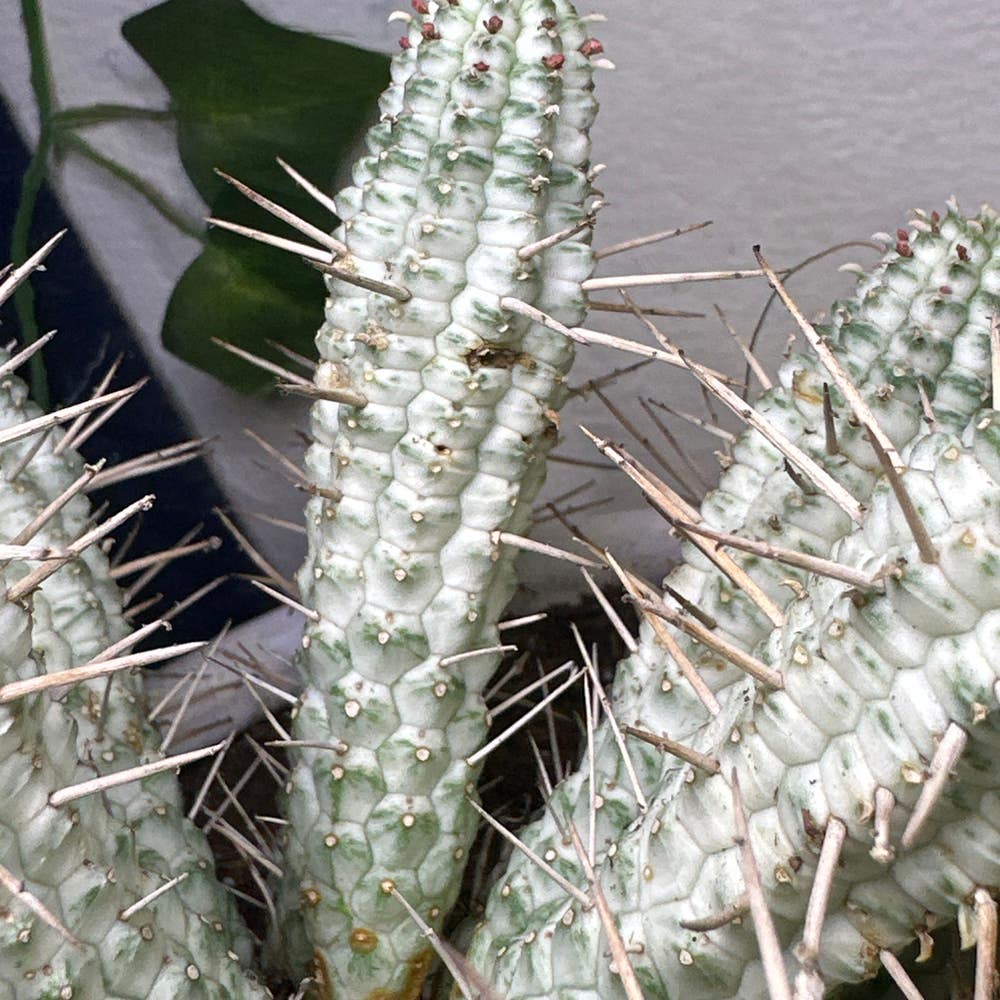
Euphorbia venefica
By the Greg Editorial Team
Jun 18, 2024•4 min read
This article was created with the help of AI so we can cover more plants for you. May contain errors. See one? Report it here.
- Yellowing, wilting, and odor signal root rot in Corncob Cacti.
- Immediate action: Stop watering, inspect roots, and prune with sterilized tools.
- Prevent recurrence with well-draining soil and balanced watering.
Spotting the Red Flags: Symptoms of Root Rot
🚩 Visual Symptoms
Identifying yellowing, wilting, and soft, darkened roots is crucial. These signs are the Corncob Cactus's way of signaling a cry for help.
🧠 Sensory Clues
A foul odor emanating from the soil is a tell-tale sign of root rot. This scent is a clear indication that something is decaying beneath the surface.
When roots feel mushy or crumble easily, it's time for immediate action. Healthy roots should be firm and white, not reminiscent of overcooked vegetables.
Stunted growth and a lack of new shoots can also indicate trouble below the soil. If your cactus is more sluggish than a Monday morning, it's worth investigating the roots.
Remember, a Corncob Cactus with droopy leaves is not just being dramatic—it's likely in distress. Don't ignore these visual cues; they're as blatant as a neon sign.
Lastly, if the soil feels more like a swamp than a desert, it's a red flag for overwatering and potential root rot. Soil should be moist but not clingy—think of it as the cactus's comfort zone.

Root Rot Rundown: Causes and Immediate Actions
🌧️ Common Culprits
Overwatering is the archenemy of the Corncob Cactus, leading to root rot. It's a classic case of too much love killing the beloved. Poor drainage and environmental factors like high humidity also play their part in this underground tragedy.
🚑 First Response
When you suspect root rot, think triage. Stop watering immediately to prevent further damage. Gently remove your cactus from its pot and inspect the roots. Healthy roots look like they're ready for a yoga class—flexible and white. Rotten roots are a mushy, brown mess. Trim the bad parts with sterilized scissors, and let the cactus air out before repotting in a well-draining mix. Remember, it's not about being heartless; it's about tough love.

The Recovery Room: Treating Root Rot
🔪 Surgical Precision
In the trenches of root rot, sterilization is your first line of defense. Grab your tools—scissors or a knife—and sterilize them with alcohol or a bleach solution. It's time for surgery. Carefully uproot your Corncob Cactus, brushing away the soil to expose the roots. Snip away the rotted parts until you're left with only healthy, firm roots. It's a delicate operation—precision is crucial.
🌱 Fresh Start
After the operation, it's time for a clean slate. Select a new pot with drainage holes that could double as a colander. Mix a well-draining soil concoction, think perlite or coarse sand, to give your cactus the arid home it craves. Repot with a gentle touch, then hold off on watering. Let the cactus settle and the roots heal—patience is your new best friend. Keep a watchful eye for new growth, the first sign of a successful procedure.

Keeping It Dry: Preventing Future Root Rot
💧 Water Wisdom
Balance is key when watering your Corncob Cactus. Overwatering is the fast track to root rot, so let the top inch of soil dry out before giving your plant a drink. Use a moisture meter or the trusty finger test to gauge soil dryness. Remember, your cactus prefers a drought to a flood.
🌿 Environmental Harmony
Your cactus's environment should mimic its natural habitat. Light and airflow are vital in keeping root rot at bay. Ensure the pot has adequate drainage holes and use a well-draining soil mix. Adjust watering habits seasonally—less in winter, more in summer. Keep an eye on humidity levels; too much can create a breeding ground for rot.
🏺 Pot and Soil Considerations
Choose a pot with drainage holes to prevent water from pooling. Pair this with a gritty, well-draining soil mix. This duo is your cactus's defense against excess moisture.
🌱 Reading the Soil's Signals
Adopt a "soak and dry" approach. Water deeply, then allow the soil to approach dryness before the next watering. This cycle promotes a healthy root system by mimicking natural rainfall patterns.
⚠️ Safety First
This content is for general information and may contain errors, omissions, or outdated details. It is not medical, veterinary advice, or an endorsement of therapeutic claims.
Always consult a qualified healthcare professional before using any plant as food, medicine, or supplement.
Never eat any plant (or feed one to pets) without confirming its identity with at least two trusted sources.
If you suspect poisoning, call Poison Control (800) 222-1222, the Pet Poison Helpline (800) 213-6680, or your local emergency service immediately.
Spotted an error? Please report it here.
Prevent root rot and keep your Corncob Cactus thriving with Greg's tailored reminders 🌵, ensuring perfect watering every time!