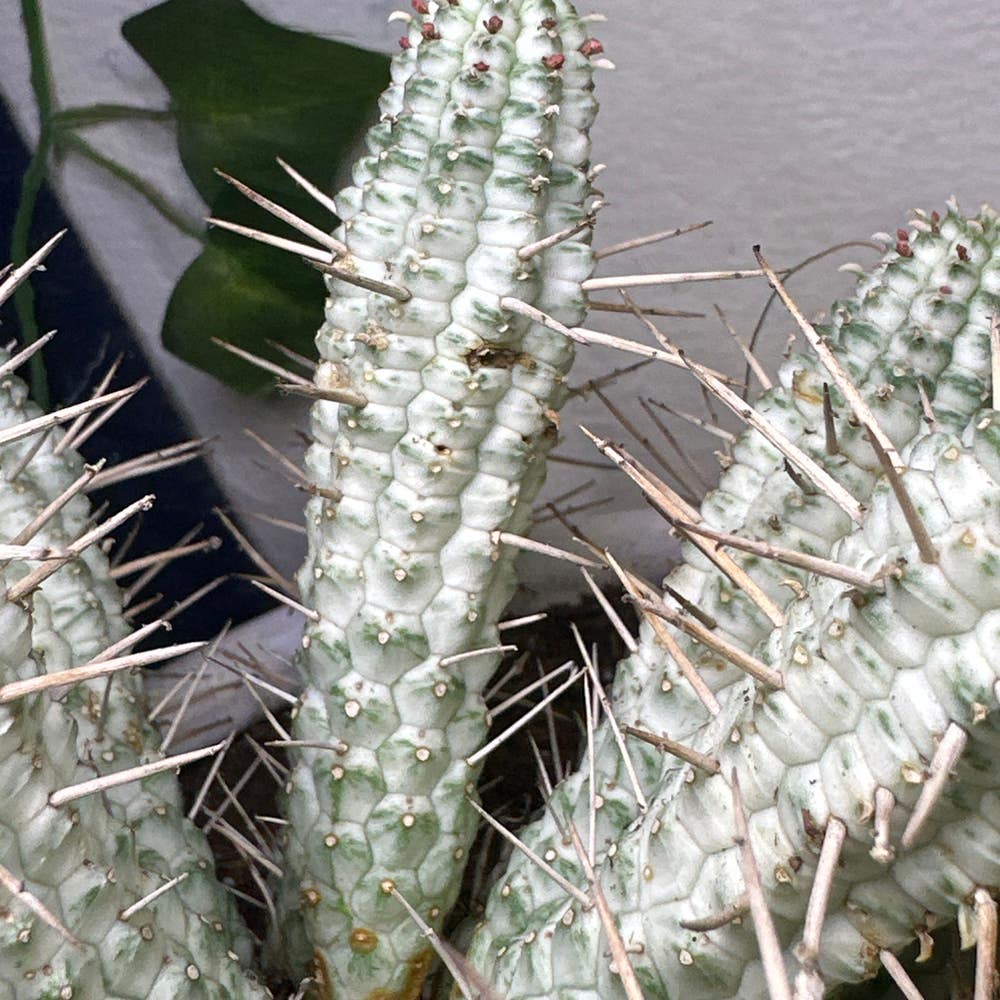
💀 Everything You Need to Know About Euphorbia venefica
Euphorbia venefica
By the Greg Editorial Team
Jan 09, 2025•11 min read
This article was created with the help of AI so we can cover more plants for you. May contain errors. See one? Report it here.
- 🌞 Euphorbia venefica thrives in full sun and prefers warm temperatures (20°C to 30°C).
- 🌱 Plant in well-draining soil with a pH of 6.0 to 7.0 for optimal growth.
- ⚠️ Toxic to humans and pets; ingestion causes nausea, vomiting, and drooling.
How to Grow
Choosing the Right Location 🌞
Euphorbia venefica thrives in full sun to partial shade, making it versatile for various garden settings. It prefers warm conditions, ideally between 20°C to 30°C (68°F to 86°F), so choose a spot that offers plenty of warmth and light.
Soil Preparation 🏜️
For optimal growth, plant Euphorbia venefica in well-draining, sandy or rocky soil. Aim for a pH level that is slightly acidic to neutral, ideally between 6.0 and 7.0, to support healthy root development.
Planting Techniques 🌱
When planting outdoors, space your Euphorbia venefica 12-18 inches apart to allow for proper air circulation. Ensure you plant at the same depth as it was in the nursery pot to avoid stress on the roots.
Watering Requirements 🚰
Allow the soil to dry out between waterings to prevent root rot. Water at the base of the plant to keep foliage dry, which helps reduce the risk of fungal diseases.
Fertilizing Schedule 🍽️
Use a balanced, slow-release fertilizer to nourish your Euphorbia venefica. Fertilize every 4-6 weeks during the growing season to promote robust growth and flowering.
Pruning and Maintenance ✂️
Prune your plant in late winter or early spring to encourage healthy growth. Remove any dead or damaged stems and shape the plant as desired to maintain its aesthetic appeal.
By following these guidelines, you'll set your Euphorbia venefica up for success, ensuring it flourishes in your garden. Next, let’s explore how to propagate this fascinating plant for even more greenery!
Propagation
🌱 Methods of Propagation
Euphorbia venefica can be propagated through two primary methods: seeds and cuttings. Both techniques are straightforward and yield successful results with a little care.
📋 Step-by-Step Instructions for Each Method
1. Seeds
- Sow seeds about 1/4 inch deep in well-draining soil.
- Keep the soil moist until germination, which typically takes 7-14 days.
2. Cuttings
- Take 4-6 inch cuttings from healthy stems.
- Allow the cuttings to callous for 1-2 days before planting them in soil.
🌟 Best Practices for Successful Propagation
To ensure your propagation efforts are successful, use sterile tools to prevent disease. Additionally, maintaining humidity for cuttings until roots develop is crucial for their survival.
By following these simple steps, you can easily expand your Euphorbia venefica collection. Next, let’s explore the lifecycle of this fascinating plant and what to expect as it grows.
Lifecycle
Lifecycle Stages 🌱
Euphorbia venefica goes through several distinct stages during its lifecycle.
- Germination: Seeds typically germinate within 7-14 days.
- Seedling Stage: This lasts about 2-4 weeks until the plant develops true leaves.
- Vegetative Growth: A rapid growth phase that can last several months occurs next.
- Flowering: Expect flowering to take place in late spring to summer, showcasing the plant's beauty.
Duration to Maturity ⏳
This plant reaches full maturity in approximately 1-2 years.
During this time, it develops its characteristic features and becomes a striking addition to any garden.
Growth Rate and Lifespan 📈
Euphorbia venefica exhibits a moderate growth rate, typically growing 6-12 inches per year.
Under optimal conditions, it can live for several years, making it a resilient choice for gardeners looking for longevity in their plants.
With proper care, you can enjoy its unique structure and vibrant blooms for years to come.
Size
Mature Height and Spread 🌱
Euphorbia venefica typically reaches a mature height of 2 to 3 feet. Its spread can range from 1 to 2 feet wide, making it a compact yet striking addition to your garden.
Growth Rate and Factors Affecting Size 📈
This plant has a moderate growth rate, generally growing 6 to 12 inches per year. Factors such as light availability and water conditions significantly influence its size, so providing optimal care is essential for healthy growth.
Size Variability 📏
The size of Euphorbia venefica can vary based on soil quality and overall care. Ensuring well-draining soil and appropriate nutrients will help maximize its potential size and health.
With the right conditions, Euphorbia venefica can thrive beautifully, enhancing your garden's aesthetic. Next, let’s explore the root system of this fascinating plant and how it contributes to its overall health.
Roots
Description of Root System 🌱
Euphorbia venefica features a fibrous root system that is typically shallow. This allows the roots to spread horizontally, making it well-suited for various soil types.
Common Root-Related Issues ⚠️
Root rot is a common problem caused by overwatering, which leads to mushy roots that can jeopardize the plant's health. Additionally, plants can become rootbound when their roots fill the container, restricting growth.
Visual Cues for Healthy vs. Unhealthy Roots 👀
Healthy roots are firm and exhibit a white or light tan color, indicating vitality. In contrast, unhealthy roots appear dark, mushy, or may even emit a foul smell, signaling potential issues.
Tips for Managing Root Problems 🛠️
To prevent root rot, ensure proper drainage in your planting medium. If you notice your plant is rootbound, repot it into a larger container to give those roots room to thrive.
Understanding the root system of Euphorbia venefica is crucial for its overall health. By keeping an eye on root conditions and addressing issues promptly, you can ensure your plant remains vibrant and flourishing.
Next, let's explore the numerous benefits of growing this unique plant.
Benefits
Euphorbia venefica offers a range of benefits that make it an appealing choice for gardeners and plant enthusiasts alike.
🌵 Drought Tolerance
This plant is remarkably drought-tolerant, requiring minimal water once established. Its ability to thrive in dry conditions makes it perfect for low-maintenance gardens.
🌺 Ornamental Value
With its unique succulent structure, Euphorbia venefica enhances the aesthetic appeal of any landscape. Its striking appearance can serve as a focal point or complement other plants beautifully.
🧹 Low Maintenance
Ideal for busy gardeners, this plant demands little attention. Its resilience means you can enjoy a vibrant garden without constant upkeep.
🐞 Pest Resistance
Euphorbia venefica naturally deters some common pests, reducing the need for chemical treatments. This pest resistance contributes to a healthier garden ecosystem.
📜 Cultural Significance
In some cultures, Euphorbia venefica is valued for its traditional medicinal uses. This adds an intriguing layer of significance to growing this plant, connecting you to historical practices.
These benefits make Euphorbia venefica a fantastic addition to your garden, combining beauty, ease of care, and cultural richness. Next, let’s explore the best companion plants that can thrive alongside this unique species.
Companion Plants
🌱 Explanation of Companion Planting and Its Benefits
Companion planting is a gardening technique that enhances biodiversity and promotes healthy growth among plants. By strategically placing Euphorbia venefica alongside compatible species, you can create a thriving ecosystem that benefits all plants involved.
🌼 List of Compatible Companion Plants
Euphorbia venefica pairs well with several plants that share similar care needs:
- Sedums: These succulents thrive in similar conditions and require minimal water, making them perfect companions.
- Agave: With comparable light and soil requirements, Agave complements Euphorbia venefica beautifully in both appearance and care.
🚫 Plants to Avoid Planting Near
While some plants thrive alongside Euphorbia venefica, others can cause issues.
- Nightshades: These plants may attract pests that can harm Euphorbia, so it's best to keep them at a distance.
By carefully selecting companion plants, you can enhance the health and beauty of your garden while minimizing potential problems. This thoughtful approach not only creates a vibrant landscape but also fosters a supportive environment for your Euphorbia venefica to flourish.
Toxicity to Humans
Identification of Toxic Parts and Compounds 🧪
Euphorbia venefica contains toxic parts, specifically its leaves and milky sap. The sap, known as Euphorbia latex, harbors poisonous compounds that can pose serious health risks.
Symptoms of Poisoning and Exposure Risks 🤢
Exposure to this plant can lead to various symptoms, including nausea, vomiting, diarrhea, and abdominal pain. The risks primarily arise from ingestion or skin contact with the sap, making caution essential when handling this plant.
Guidance on Seeking Medical Care 🚑
If you suspect exposure or ingestion, seek immediate medical attention. Quick action can mitigate potential health complications and ensure safety.
Toxicity to Dogs
Identification of Toxic Parts and Symptoms of Poisoning 🐶
Euphorbia venefica can pose a serious risk to dogs, primarily due to its leaves and milky sap. If ingested, dogs may exhibit symptoms such as drooling, vomiting, diarrhea, and weakness.
Risks of Exposure and Ingestion ⚠️
The danger arises when dogs chew on the plant or come into contact with its sap. Even small amounts can lead to discomfort and health issues, making it crucial for pet owners to be vigilant.
Prevention Measures and Veterinary Care Guidance 🏥
To keep your furry friends safe, supervise their outdoor time and consider removing Euphorbia venefica from accessible areas. If you suspect your dog has ingested any part of the plant, contact your veterinarian immediately for guidance and potential treatment.
Toxicity to Cats
Identification of Toxic Parts and Symptoms of Poisoning 🐱
Euphorbia venefica poses a risk to cats primarily through its leaves and sap. If ingested, symptoms may include drooling, vomiting, diarrhea, and weakness.
Risks of Exposure and Ingestion ⚠️
Cats are particularly vulnerable to the toxic compounds found in the sap and leaves. Even minor exposure can lead to significant health issues, so it's crucial to be vigilant.
Prevention Measures and Veterinary Care Guidance 🏥
To keep your feline friends safe, it's best to keep cats indoors and supervise their outdoor time. If you suspect your cat has ingested any part of the plant, seek veterinary care immediately for guidance and treatment.
By taking these precautions, you can enjoy your Euphorbia venefica while ensuring your pets remain safe and healthy.
Problems
Common Problems Faced When Growing 🌱
Growing Euphorbia venefica can be rewarding, but it comes with its challenges. The most common issues include incorrect watering and inadequate light conditions.
Incorrect Watering 🚰
Overwatering is a frequent mistake that can lead to root rot. It's crucial to allow the soil to dry out between waterings to keep your plant healthy.
Incorrect Light Conditions ☀️
Insufficient light can cause leggy growth, making your plant look weak and stretched. Ensure your Euphorbia receives full sun to partial shade for optimal growth.
Identification and Causes of Issues 🔍
Recognizing the symptoms of distress is key to maintaining a healthy plant. Look out for yellowing leaves, wilting, and stunted growth as indicators of underlying problems.
Solutions for Resolving Common Problems 🛠️
To tackle these issues, adjust your watering schedule to prevent over-saturation. Additionally, improve light exposure by relocating your plant to a brighter spot.
Final Thoughts 💭
By staying vigilant and responsive to your Euphorbia's needs, you can enjoy a thriving plant. With the right care, these problems can be easily managed, leading to a flourishing garden.
Bugs
🐜 Potential Pest Issues Specific to Euphorbia venefica
Euphorbia venefica is generally known for its moderate pest resistance. However, it can still attract a few unwelcome guests that may cause damage.
🔍 Identification of Pests and Damage Caused
- Spider Mites: Look for fine webbing on the plant and stippled leaves, which indicate their presence.
- Mealybugs: These pests appear as cotton-like masses on stems and leaves, sucking the sap and weakening the plant.
🛠️ Effective Treatment Options for Pest Management
To combat these pests, consider using neem oil or insecticidal soap. Regular inspections and early intervention are key to keeping your Euphorbia healthy and thriving.
By staying vigilant and addressing pest issues promptly, you can ensure that your Euphorbia venefica remains a stunning addition to your garden. Next, let’s explore what animals might pose a threat to your plant.
What Eats
🦌 Common Animals That May Damage the Plant
Euphorbia venefica can attract a few hungry visitors. Deer often browse on its leaves and stems, while rabbits may gnaw on young shoots, causing noticeable damage.
🐾 Signs of Animal Presence and Damage
Keep an eye out for signs of these critters. Chewed leaves, droppings, and tracks around your plants can indicate that animals are enjoying your Euphorbia as a snack.
🚫 Deterrent Methods for Protecting
To protect your plant from these hungry animals, consider a few effective strategies. Fencing can create a physical barrier, while repellents can deter them from approaching. Additionally, companion planting with less palatable species can help keep these pests at bay.
By implementing these measures, you can enjoy the beauty of Euphorbia venefica without the worry of it becoming a meal for local wildlife.
⚠️ Safety First
This content is for general information and may contain errors, omissions, or outdated details. It is not medical, veterinary advice, or an endorsement of therapeutic claims.
Always consult a qualified healthcare professional before using any plant as food, medicine, or supplement.
Never eat any plant (or feed one to pets) without confirming its identity with at least two trusted sources.
If you suspect poisoning, call Poison Control (800) 222-1222, the Pet Poison Helpline (800) 213-6680, or your local emergency service immediately.
Spotted an error? Please report it here.
Euphorbia venefica is a gorgeous addition 🌵 to your garden that thrives in sunny spots, and with Greg's tailored care reminders, you can ensure it flourishes while keeping your home safe from its toxic sap!