💀 Ultimate Guide to Euphorbia venenifica
Euphorbia venefica
By the Greg Editorial Team
Jan 24, 2025•12 min read
This article was created with the help of AI so we can cover more plants for you. May contain errors. See one? Report it here.
- 🌞 Euphorbia venenifica needs 6-8 hours of sunlight daily for optimal growth.
- 🌱 Water only when soil is dry to prevent overwatering issues.
- ⚠️ All parts are toxic; handle with care to avoid poisoning symptoms.
How to Grow
Choosing a Location 🌞
Euphorbia venenifica thrives in full sun, requiring 6 to 8 hours of direct sunlight daily. It prefers warm conditions, so be sure to protect it from frost to ensure optimal growth.
Soil Preparation 🏜️
This plant flourishes in well-draining, sandy, or rocky soil. Aim for a soil pH between 6.0 and 7.0, which is slightly acidic to neutral, to create the best environment for your Euphorbia.
Planting Techniques 🌱
When planting, ensure the crown of the plant is above soil level to prevent rot. Space your plants 2 to 3 feet apart to allow for adequate air circulation, promoting healthy growth.
Watering Requirements 🚰
Allow the soil to dry completely between waterings to prevent overwatering. Watch for signs of overwatering, such as yellowing leaves and mushy stems, which can indicate trouble.
Fertilizing Schedule 🍽️
Use a low-nitrogen, balanced fertilizer during the growing season to support healthy development. Fertilize every 4 to 6 weeks for the best results.
Pruning Methods ✂️
Prune your Euphorbia after flowering or to remove any dead growth. Always use clean, sharp tools to avoid introducing infections to the plant.
Ongoing Care for Outdoor and Container Growth 🛡️
For container growth, ensure your pots have drainage holes and use a cactus mix for optimal drainage. If growing outdoors, keep an eye out for pests and environmental stressors that could affect your plant's health.
With these guidelines, you’ll be well on your way to cultivating a thriving Euphorbia venenifica. Next, let’s explore how to propagate this resilient plant for even more gardening success!
Propagation
🌱 Methods of Propagation
Euphorbia venenifica can be propagated through seeds or cuttings, each offering a unique approach to expanding your collection.
Seeds (difficulty: moderate)
- Collect Seeds: After flowering, gather seeds from mature plants.
- Sow Seeds: Plant the seeds in well-draining soil to encourage healthy growth.
- Moisture Maintenance: Keep the soil moist until germination occurs, which typically takes 2-3 weeks.
Cuttings (difficulty: easy)
- Select Stems: Choose healthy stems that are 4-6 inches long for optimal results.
- Callousing: Allow the cuttings to callous for 1-2 days to prevent rot.
- Planting: Place the cuttings in well-draining soil and water them sparingly to promote root development.
Propagation is a rewarding process that allows you to share the beauty of Euphorbia venenifica with others. Whether you opt for seeds or cuttings, both methods can lead to successful growth and vibrant plants.
Next, let’s explore the fascinating lifecycle of this unique plant.
Lifecycle
Life Cycle Stages 🌱
Euphorbia venenifica undergoes several distinct life stages.
- Germination: This initial phase takes about 7-14 days under optimal conditions.
- Seedling Stage: Here, the plant develops its true leaves, marking its transition to a more established form.
- Vegetative Growth: This is the rapid growth phase, where the plant focuses on establishing a robust root system.
- Flowering: Expect vibrant blooms in late spring to early summer, showcasing the plant's beauty.
- Seed Production: By late summer, seeds mature, ready for collection or natural dispersal.
Lifespan and Growth Timeline ⏳
Euphorbia venenifica can thrive for an average lifespan of 5-10 years with proper care.
- Time to Maturity: It typically reaches maturity in about 2-3 years, depending on environmental conditions.
- Growth Speed: The growth rate is moderate, influenced by factors like light, water, and soil quality.
Understanding these stages helps you appreciate the plant's journey and ensures you provide the right care at each phase.
Next, let's explore the size of this fascinating plant and how its growth can vary based on different conditions.
Size
Mature Height and Spread 🌱
Euphorbia venenifica can reach a mature height of up to 3 feet, making it a striking addition to any garden. Its spread typically extends to about 2 feet, allowing for a compact yet impactful presence.
Growth Rate and Size Variability 📈
This plant exhibits a moderate growth rate, which can be influenced by factors such as light and water availability. Depending on the quality of soil and care provided, size variability can occur, leading to differences in overall dimensions.
Impact of Growing Conditions on Size 🌧️
Growing conditions play a crucial role in determining the size of Euphorbia venenifica. For instance, drought conditions can stunt growth, while adequate watering promotes healthier, more robust plants.
Sunlight Exposure Effects ☀️
Sunlight exposure significantly impacts the plant's overall dimensions. Sufficient sunlight encourages optimal growth, resulting in a fuller and more vibrant appearance.
As you consider the size of Euphorbia venenifica, remember that proper care and attention to its environment can lead to impressive results. Next, let’s explore the fascinating root system characteristics that support this resilient plant.
Roots
Root System Characteristics 🌱
Euphorbia venenifica features a robust taproot system designed for deep water access. This allows the plant to thrive even in arid conditions, with roots reaching depths of up to 2 feet and extending laterally as far as 3 feet.
Common Root-Related Issues ⚠️
One of the most common problems is root rot, which occurs due to overwatering. Signs include wilting and yellowing leaves, indicating that the roots are struggling.
Identifying healthy roots is crucial for plant health. Healthy roots are firm and white, while unhealthy ones may appear mushy or discolored.
Recognizing Rootbound Plants 🪴
A rootbound plant has roots that circle the pot, limiting its growth potential. This condition can stunt the plant's development and lead to other health issues.
To remedy this, consider repotting the plant into a larger container or dividing it to encourage healthier growth. This simple step can significantly enhance the plant's vitality and longevity.
With proper attention to root health, your Euphorbia venenifica can flourish beautifully. Next, let's explore the benefits of growing this unique plant.
Benefits
🌵 Top 5 Benefits of Growing Euphorbia venenifica
1. Drought Resistance
Euphorbia venenifica is a champion in drought resistance, making it perfect for xeriscaping and low-water gardens. Its ability to thrive in arid conditions means less worry about watering schedules.
2. Unique Aesthetic
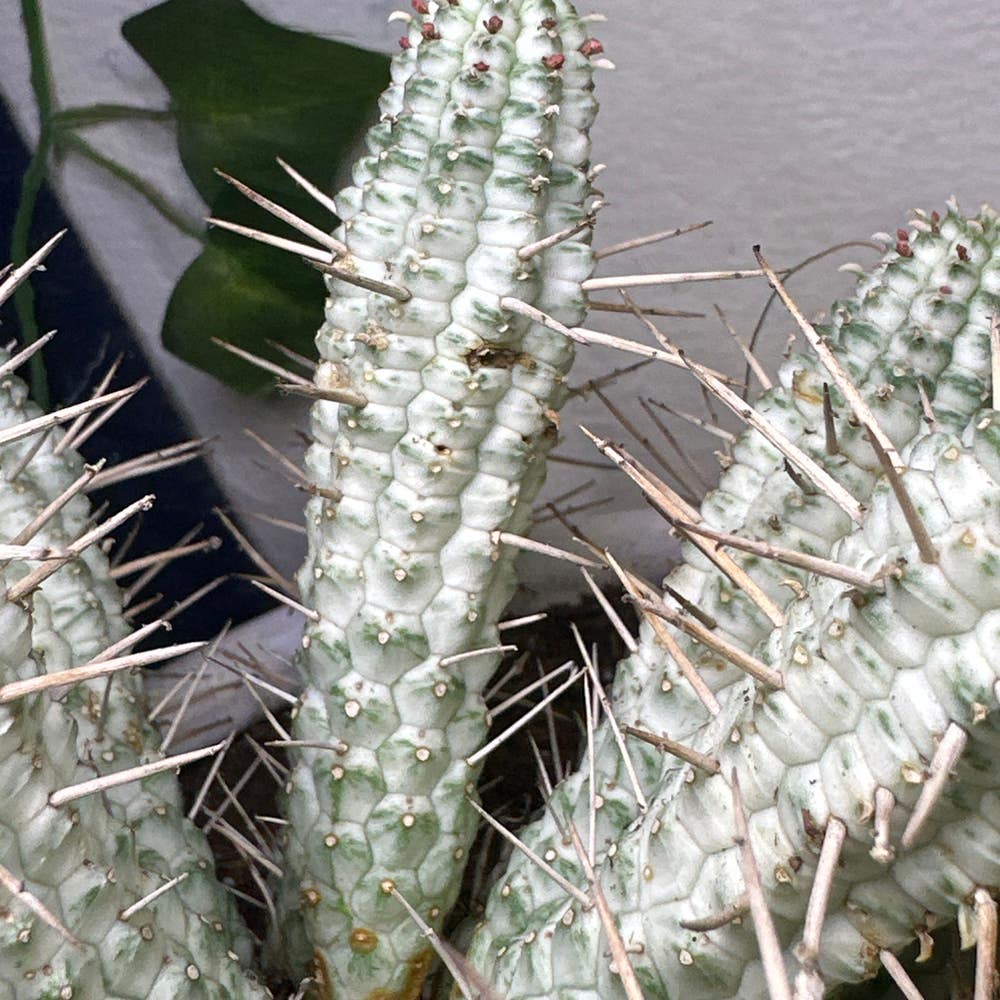
This plant brings a unique spiny texture and visual interest to any garden. Its striking appearance can serve as a focal point, enhancing the overall beauty of your outdoor space.
3. Cultural Significance
Euphorbia venenifica holds cultural importance in various traditional medicine practices. Its historical uses add depth to its appeal, connecting gardeners to ancient practices.
4. Low Maintenance
Once established, this plant requires minimal care. Its resilience allows you to enjoy a beautiful garden without the constant upkeep.
5. Wildlife Attraction
This plant provides a habitat for beneficial insects, promoting biodiversity. By growing Euphorbia venenifica, you contribute to a healthier ecosystem in your garden.
These benefits make Euphorbia venenifica an excellent choice for both novice and experienced gardeners. Its unique qualities not only enhance your garden but also support environmental health.
As we explore the next section, let’s delve into the fascinating world of companion planting and discover which plants thrive alongside Euphorbia venenifica.
Companion Plants
🌱 Concept of Companion Planting
Companion planting is a gardening strategy that promotes diversity, pest management, and overall plant growth. By pairing compatible plants, you can create a thriving ecosystem that benefits all species involved.
🌼 Best Companion Plants
Euphorbia venenifica thrives alongside other succulents, cacti, and drought-tolerant plants. These companions share similar care needs and resilience, making them ideal partners in your garden.
🚫 Plants to Avoid
Avoid planting Euphorbia venenifica with high-water requirement species. These plants can increase the risk of root rot and compete for essential nutrients, ultimately harming your Euphorbia.
By choosing the right companions, you can enhance the health and beauty of your garden while minimizing potential issues. This thoughtful approach to planting not only supports your Euphorbia but also fosters a vibrant garden environment.
Toxicity to Humans
Toxic Parts 🧪
Euphorbia venenifica is not just a pretty face; its leaves, stems, and sap contain toxic compounds. Handling this plant requires caution to avoid exposure to its harmful elements.
Symptoms of Poisoning 🤢
If ingested, common symptoms include nausea, vomiting, diarrhea, and abdominal pain. In more severe cases, individuals may experience dizziness, confusion, and neurological issues, which can be alarming.
How Poisoning Can Occur 🚨
Poisoning can happen through various routes: ingestion of the plant, skin contact with its sap, or even inhalation of smoke from burning it. Awareness of these risks is crucial for safe handling.
When to Seek Medical Care 🏥
Immediate medical attention is vital if poisoning is suspected. Be vigilant for symptoms like severe abdominal pain or confusion, as these require urgent care to prevent complications.
Understanding the toxicity of Euphorbia venenifica is essential for safe gardening and plant care. Next, let's explore how this plant can affect our furry friends, particularly dogs.
Toxicity to Dogs
Toxic Parts 🐶
Euphorbia venenifica is toxic to dogs, with all parts of the plant posing a risk. The sap, in particular, is highly dangerous and should be avoided at all costs.
Symptoms of Poisoning 🤢
If a dog ingests any part of this plant, watch for common symptoms such as drooling, vomiting, diarrhea, and weakness. These signs indicate that immediate attention may be necessary.
Prevention Measures 🚫
To keep your furry friends safe, supervise their outdoor time closely. Additionally, consider removing Euphorbia venenifica from areas where dogs can access it, ensuring a safer environment for your pets.
By taking these precautions, you can enjoy your garden while protecting your beloved companions.
Toxicity to Cats
Toxic Parts 🐱
Euphorbia venenifica is harmful to cats, with all parts of the plant being toxic. The sap is particularly dangerous, so it's crucial to keep your feline friends away from it.
Symptoms of Poisoning 🤢
If a cat ingests any part of this plant, you may notice several alarming symptoms. Common signs include drooling, vomiting, diarrhea, and weakness, which can escalate quickly.
Prevention Measures 🛡️
To protect your cats, consider these practical tips. Keep them indoors as much as possible, supervise their outdoor time, and remove any Euphorbia venenifica from your garden to eliminate the risk of exposure.
By taking these precautions, you can ensure your furry companions stay safe while enjoying your beautiful garden.
Problems
Common Problems Faced 🌱
Growing Euphorbia venenifica can be rewarding, but it's not without its challenges. Understanding these common problems will help you keep your plant thriving.
Incorrect Watering 🚰
Watering is crucial for Euphorbia venenifica. Overwatering can lead to yellowing leaves and mushy stems, while underwatering may cause wilting and dryness.
Incorrect Light Conditions 💡
Light is another key factor. Insufficient light can result in etiolation, where the plant stretches towards the light, leading to weak and leggy growth.
Incorrect Temperature 🌡️
Temperature fluctuations can stress your plant. Cold exposure can stunt growth and even kill your Euphorbia, so keep it in a warm environment, especially during colder months.
Diseases 🦠
Fungal diseases pose a threat, particularly powdery mildew and root rot. These issues often arise from poor air circulation or excessive moisture, so ensure your plant has adequate airflow and well-draining soil.
Leaf Issues 🍃
Leaf problems can manifest as scorching, yellowing, or fuzzy growth. Scorched leaves often indicate too much direct sunlight, while yellowing may suggest nutrient deficiencies or overwatering.
By being vigilant about these common issues, you can ensure your Euphorbia venenifica remains healthy and vibrant. Next, let’s explore the pests that might disrupt your plant’s growth.
Bugs
🐛 Potential Pest Issues
Euphorbia venenifica is generally pest-resistant, making it a robust choice for gardeners. However, it can still fall victim to a few common pests that may require your attention.
🔍 Identification and Treatment of Specific Pests
Spider Mites
Look for webbing and stippled leaves as signs of spider mite infestation. These tiny pests thrive in dry conditions, so maintaining humidity can help deter them.
Scale Insects
Scale insects can be identified by their sticky residue and yellowing leaves. They attach themselves to stems and leaves, sucking the plant's sap, which can weaken your Euphorbia.
Mealybugs
Mealybugs appear as cotton-like masses on stems and leaves. They can cause significant damage if left untreated, as they also feed on the plant's sap.
🧴 Treatment Options
To combat these pests, consider using insecticidal soap or neem oil. Both options are effective and eco-friendly, making them suitable for your garden. Manual removal of pests can also be effective, especially for smaller infestations.
By staying vigilant and addressing pest issues promptly, you can keep your Euphorbia venenifica thriving and healthy. Next, we’ll explore what animals might be tempted to munch on your plant and how to protect it from them.
What Eats
🦌 Common Animals That May Damage
Euphorbia venenifica can attract a few hungry visitors.
- Deer: Look for signs of browsing on leaves and stems, as they can munch through your plant quickly.
- Rabbits: These little nibblers often leave evidence of their feasting on the lower leaves.
- Squirrels: Watch for digging around the base of the plant, which indicates their curiosity and potential damage.
🔍 Signs of Animal Presence and Damage
Identifying animal damage is crucial for protecting your Euphorbia.
- Visual Cues: Chewed leaves are a clear sign of nibbling critters.
- Tracks and Droppings: Keep an eye out for tracks or droppings near your plants, which can help you identify the culprits.
🚫 Deterrent Methods
Preventing animal damage is essential for the health of your plant.
- Chemical Deterrents: Consider using commercial repellents designed to keep animals at bay.
- Organic Control Methods: Planting deterrent species or using physical barriers can effectively protect your Euphorbia from unwanted munchers.
By staying vigilant and employing these deterrent methods, you can help ensure your Euphorbia venenifica thrives without the threat of hungry animals. Next, let’s explore the potential pest issues that can affect your plant.
⚠️ Safety First
This content is for general information and may contain errors, omissions, or outdated details. It is not medical, veterinary advice, or an endorsement of therapeutic claims.
Always consult a qualified healthcare professional before using any plant as food, medicine, or supplement.
Never eat any plant (or feed one to pets) without confirming its identity with at least two trusted sources.
If you suspect poisoning, call Poison Control (800) 222-1222, the Pet Poison Helpline (800) 213-6680, or your local emergency service immediately.
Spotted an error? Please report it here.
Cultivate a thriving Euphorbia venenifica 🌵 with Greg's tailored care reminders and expert tips, ensuring it flourishes beautifully in your garden!