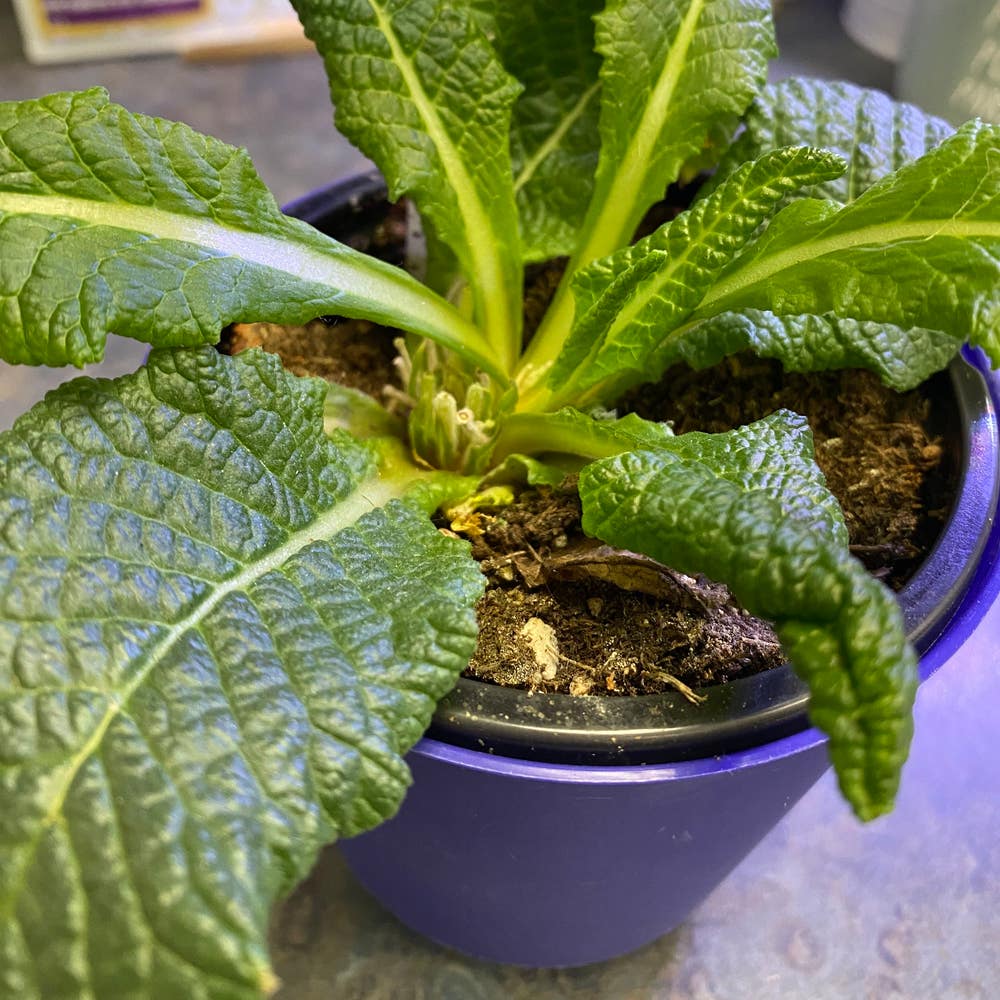
🥀 How Can You Tell If A Common Cowslip Is Dying?
Primula veris
By the Greg Editorial Team
Mar 08, 2024•5 min read
This article was created with the help of AI so we can cover more plants for you. May contain errors. See one? Report it here.
Save your Cowslip from a plant's worst nightmare 🌱 with life-saving care tips that work! 🚑
- Wilting or yellow leaves? Your Cowslip could be over or under-watered.
- Sparse blooms mean poor light or nutrition for your Cowslip.
- Consistent care is key to prevent pests, mold, and temperature stress.
Spot the SOS: Signs Your Common Cowslip is Struggling
🥀 Wilting Woes: How Droopy Leaves Speak Volumes
Wilting isn't just a minor setback; it's your Cowslip's way of waving a red flag. If your plant's leaves are more limp than a wet noodle, it's time to perk up and pay attention. This could be a sign of overwatering or a cry for more hydration.
🟡 Yellow Alert: Decoding Yellowing Leaves and Stunted Growth
When the vibrant greens of your Cowslip start turning yellow, it's not trying to start a new trend. It's an SOS. Yellowing leaves, coupled with growth that's as stunted as a bonsai, are telling you that your plant is in distress. It's time to reassess your watering habits and check for root health.
💐 Flower Failure: When Your Cowslip Stops Blooming
Blooms are the Cowslip's pride and joy. If your plant's flowers are as sparse as a balding head, it's a clear sign of trouble. This could be due to a variety of issues, from poor lighting to nutritional deficiencies. It's time to play detective and find out what's missing.
Water Woes: Too Much or Too Little?
🌊 Soggy Soil Saga: Tackling over-watering before root rot takes over
Over-watering can turn your Common Cowslip's home into a swampy nightmare. If your plant's soil feels more like a wet sponge than a moist cake, it's time to intervene. Cease watering immediately and let the soil dry out. Think of it as putting your plant on a water diet; sometimes less is more.
🌱 Root and Soil Sabotage
Inspect the roots for signs of rot—healthy roots should be firm and white, not soft or black. Trim away any rotten parts with sterilized scissors. It's like performing minor surgery to save your plant's life. After the operation, repot using a well-draining soil mix and a pot with proper drainage holes to avoid future waterlogging.
🏜️ Thirsty Plant Plight: Recognizing and remedying under-watering
Under-watering can leave your Cowslip thirstier than a tourist in the desert. If the soil is dry an inch down, it's time to give your plant a drink. Water thoroughly, ensuring moisture reaches the roots, but don't turn the pot into a bathtub. Consistency is key—establish a watering schedule that keeps the soil damp, not drenched.
🚰 Balancing the Beverage: Tips for Just-Right Watering
Monitor your plant like it's a delicate science experiment. Adjust your watering based on temperature and humidity changes. Remember, your plant isn't a fish—it doesn't need to swim. Aim for soil that's damp to the touch, a sign of a well-hydrated plant without going overboard.
Light and Temperature Tangles
🌞 Seeking the Sun: Symptoms of Light Deprivation and How to Fix It
Droopy leaves and lackluster blooms are your Common Cowslip's way of saying it's starved for sunlight. If it's stretching towards the nearest light source like a kid reaching for the cookie jar, it's time to intervene. Move it closer to a window, but dodge the direct midday sun—think of it as a beach umbrella for your plant.
🌡️ Heat Hiccups and Chilly Challenges: Finding the Temperature Sweet Spot
Cowslips don't enjoy sauna sessions or arctic blasts. They prefer a consistent, cool to comfortably warm environment. Above 85°F (29°C), and your plant might start to wilt like a forgotten salad. If it's too cold, growth slows to a snail's pace. Use a thermometer to keep tabs on the temperature, and adjust your plant's location as needed to avoid these extremes.
Battling Biotic Baddies: Pests and Pathogens
🐛 Pesty Predicaments: Identifying and Evicting Common Cowslip Critters
Your Common Cowslip may be under siege by a mini army of pests. Aphids, those sap-sucking nuisances, can cause leaves to curl and deform. Spider mites are tiny web-spinners that leave foliage speckled. If you spot these invaders, it's time to bring out the big guns: insecticidal soap or neem oil. Apply with gusto, ensuring you hit all the nooks and crannies. For a more tactile approach, don some gloves and pluck the pests off manually. Remember, a clean garden is a pest-free garden—keep debris cleared to avoid giving these critters a place to hide.
🍄 Fungus Among Us: Spotting Mold and Fungus Before They Take Hold
Mold and mildew are the uninvited guests at your Cowslip's party. Look for discolored leaves or a powdery residue as a tell-tale sign of fungal gatecrashers. To combat these, improve air circulation and consider a targeted application of fungicides, like potassium bicarbonate or copper-based options. Always follow the label's instructions—this isn't the time for improvisation. Keep leaves dry and prune away any affected areas to prevent the spread. And don't forget, prevention is better than cure: avoid overwatering and ensure good airflow from the get-go.
Environmental Enemies: Leaf Scorch and More
🌡️ Scorched Leaf Syndrome: Preventing and Treating Leaf Scorch
Leaf scorch is like a silent scream for help from your Common Cowslip. It's not just a cosmetic issue; it's a sign of distress, often due to excessive heat or wind exposure. To prevent this, place your plant in a location where it can enjoy the sun without being subjected to the harsh midday rays. Morning sunlight followed by afternoon shade is ideal. If your Cowslip already has scorched leaves, it's time to reassess its environment. Move it to a less exposed area and ensure it's receiving the right amount of water to recover.
🌬️ Draft Distress: Why Consistent Temperatures Matter for Cowslip
Drafts are the ninjas of the plant world—silent, unseen, but potentially deadly. Your Cowslip craves stability, not the shock of a cold draft or the blast of a heat vent. Consistent temperatures are key. Find a spot that's free from the ebb and flow of household drafts. This could mean moving your plant away from frequently opened doors or adjusting its position during seasonal changes. Remember, your Cowslip's comfort zone is pretty much your own—neither sauna-like conditions nor an inadvertent ice bucket challenge will do.
⚠️ Safety First
This content is for general information and may contain errors, omissions, or outdated details. It is not medical, veterinary advice, or an endorsement of therapeutic claims.
Always consult a qualified healthcare professional before using any plant as food, medicine, or supplement.
Never eat any plant (or feed one to pets) without confirming its identity with at least two trusted sources.
If you suspect poisoning, call Poison Control (800) 222-1222, the Pet Poison Helpline (800) 213-6680, or your local emergency service immediately.
Spotted an error? Please report it here.
Ensure your common cowslip blooms brilliantly 🌼 by letting Greg tailor a perfect watering schedule and provide the ideal environmental tips to prevent distress and disease.