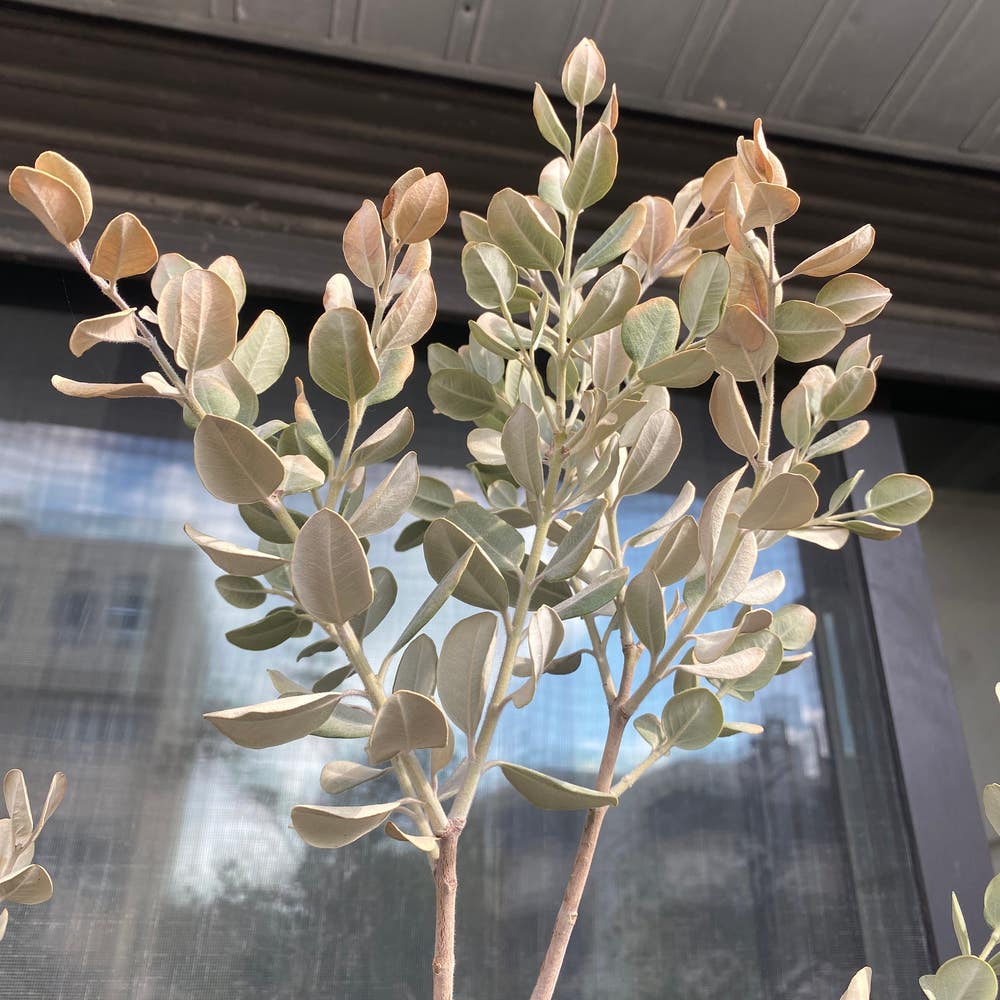
5 Ideal Locations to Plant Rata 🥄
Metrosideros tremuloides
By the Greg Editorial Team
Nov 22, 2024•5 min read
This article was created with the help of AI so we can cover more plants for you. May contain errors. See one? Report it here.
- ☀️ Rata thrives in full sun, needing 6-8 hours of direct sunlight daily.
- 🌱 Well-draining soil is crucial; sandy loam prevents root rot for healthy growth.
- 🌳 Spacing matters - keep 10-15 feet from large plants for optimal resource access.
Sunlight Exposure
Full Sun Requirements 🌞
Rata thrives in full sun, requiring 6-8 hours of direct sunlight each day. This exposure not only promotes vigorous growth but also leads to abundant flowering, making your garden a vibrant spectacle.
For optimal results, plant Rata in open areas, away from tall structures or trees that could cast shadows. This ensures your Rata receives the sunlight it craves, leading to a healthier, more robust plant.
Partial Shade Tolerance 🌤️
While Rata prefers full sun, it can tolerate partial shade, particularly in hotter climates. Morning sun combined with afternoon shade helps reduce stress during peak heat, allowing the plant to flourish without wilting.
Look for areas with dappled sunlight or filtered light to plant your Rata. These conditions can create a balanced environment, ensuring your plant remains healthy and vibrant even in less-than-ideal sunlight situations.
As you consider the best sunlight exposure for your Rata, remember that the right conditions can significantly impact its growth and flowering potential. Next, let’s explore the importance of soil type and conditions for planting Rata.
Soil Type and Conditions
🌱 Well-Draining Soil Preferences
Rata thrives in sandy loam or loamy soils that provide excellent drainage. This is crucial because good drainage prevents root rot, allowing your Rata to grow healthy and strong.
Elevated areas or slopes are ideal locations for planting Rata. These spots ensure that water doesn't pool around the roots, which can lead to detrimental conditions.
⚖️ Soil pH Considerations
For optimal growth, Rata prefers a slightly acidic to neutral soil pH, ideally between 6.0 and 7.0. Conducting soil tests is essential to determine the pH level and make necessary amendments.
Incorporating organic matter can significantly improve soil structure and acidity. This simple step can create a more hospitable environment for your Rata to flourish.
Understanding these soil requirements will set the foundation for a thriving Rata garden. Next, let’s explore how the proximity to other plants can enhance your planting strategy.
Proximity to Other Plants
🌱 Companion Planting
Companion planting is a fantastic way to enhance your garden's ecosystem. By choosing native plants that attract pollinators, you not only support local wildlife but also create a vibrant habitat.
Consider incorporating other New Zealand natives or flowering plants that thrive in similar conditions. This diversity enriches your garden, making it more resilient and ecologically valuable.
🚫 Avoiding Overcrowding
When planting Rata, it's crucial to consider its growth potential. Allowing sufficient space is essential for healthy development, as overcrowding can lead to competition for resources.
Aim for at least 10-15 feet of spacing from other large plants or structures. This distance promotes air circulation, which is vital for preventing fungal diseases and ensuring robust growth.
By thoughtfully planning the proximity of Rata to other plants, you set the stage for a thriving garden that celebrates biodiversity. Next, we’ll explore the concept of microclimates and how they can impact your Rata's growth.
Microclimates
Identifying Microclimates 🌤️
Microclimates are unique areas within your garden that experience different climate conditions compared to the surrounding spaces. To identify these spots, consider factors like sun exposure, wind patterns, and moisture levels.
Observe your garden throughout the day. Look for warm or sheltered areas that might provide ideal conditions for planting Rata.
Utilizing Natural Features for Protection 🌳
Natural windbreaks, such as existing trees or shrubs, can create sheltered zones for your Rata. These features help shield the plant from harsh winds and extreme temperatures.
For optimal growth, position Rata near these natural barriers. This strategic placement enhances its chances of thriving in your garden.
As you plan your planting, remember that understanding microclimates can significantly impact your garden's success. Next, we'll explore the importance of wind protection for your Rata.
Wind Protection
Importance of Windbreaks 🌬️
Strong winds can wreak havoc on your Rata, damaging delicate flowers and stunting growth. To shield your plants, consider using fences, hedges, or other structures as effective windbreaks.
Selecting Nearby Structures for Shelter 🏠
Planting Rata near walls or fences can provide much-needed shelter from harsh winds. This proximity not only reduces wind exposure but also helps create a more stable microclimate for your plants.
Recommended Distance for Optimal Growth 📏
When positioning Rata near structures, maintain a distance of at least 5-10 feet. This space allows for healthy growth while still benefiting from the protective features of nearby buildings.
Wind protection is crucial for the thriving of your Rata. By strategically placing windbreaks and utilizing nearby structures, you can create an environment that fosters robust growth and vibrant blooms. Next, let's explore drainage considerations to ensure your Rata has the ideal soil conditions for success.
Drainage Considerations
🚰 Assessing Drainage
Proper drainage is crucial for the health of your Rata. Signs of poor drainage include water pooling, muddy soil, or slow water absorption.
To assess drainage, conduct a simple drainage test. Dig a hole about 12 inches deep, fill it with water, and observe how quickly it drains. Ideally, the soil should drain within a few hours after watering.
🛠️ Solutions for Poor Drainage
If you discover drainage issues, there are effective solutions to improve the situation. Start by amending the soil; incorporating sand or organic matter can significantly enhance drainage.
Another option is to plant Rata in raised beds. This elevates the root zone, allowing for better drainage and healthier growth.
For persistent drainage problems, consider installing drainage systems like French drains. These can redirect excess water away from your plants, creating a more suitable environment for your Rata to thrive.
With proper drainage in place, your Rata will be well on its way to flourishing in your garden. Next, let’s explore how to protect your plants from wind damage.
⚠️ Safety First
This content is for general information and may contain errors, omissions, or outdated details. It is not medical, veterinary advice, or an endorsement of therapeutic claims.
Always consult a qualified healthcare professional before using any plant as food, medicine, or supplement.
Never eat any plant (or feed one to pets) without confirming its identity with at least two trusted sources.
If you suspect poisoning, call Poison Control (800) 222-1222, the Pet Poison Helpline (800) 213-6680, or your local emergency service immediately.
Spotted an error? Please report it here.
Create a thriving Rata garden 🌱 by using Greg's personalized care tips and soil testing reminders to ensure your plants get the perfect conditions for growth!