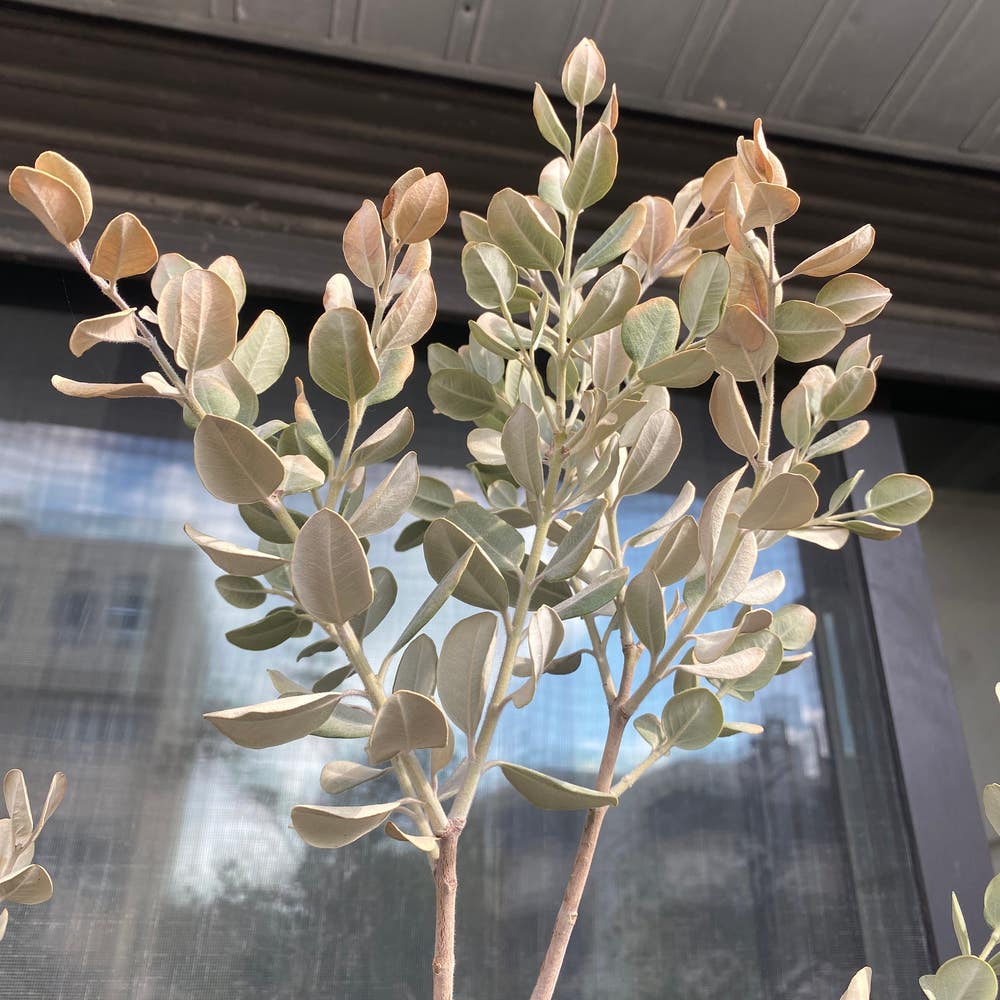
What to Do About Curling Leaves on Your Rata 🐛
Metrosideros tremuloides
By the Greg Editorial Team
Nov 22, 2024•6 min read
This article was created with the help of AI so we can cover more plants for you. May contain errors. See one? Report it here.
- 🌱 Curling leaves indicate stress from pests, nutrients, or environmental factors.
- 🌡️ Maintain 15°C to 25°C temperature and 40-60% humidity for healthy Rata growth.
- 🐛 Regularly check for pests like aphids and spider mites to prevent leaf damage.
Causes of Curling Leaves
🌡️ Environmental Stress Factors
Temperature extremes can wreak havoc on your Rata. The ideal range for healthy growth is between 15°C to 25°C (59°F to 77°F). When temperatures stray too far from this range, you may notice symptoms like leaf curling and discoloration.
Humidity also plays a crucial role. Rata prefers moderate humidity levels of 40-60%. Low humidity can lead to drying out and curling leaves, making it essential to monitor your plant's environment.
🥦 Nutrient Deficiencies
Nutrient deficiencies can significantly impact your Rata's health. A nitrogen deficiency often manifests as yellowing leaves and stunted growth, which can lead to weak foliage that struggles to support healthy growth.
Potassium deficiency is another concern. Symptoms include marginal leaf curling and browning, highlighting potassium's importance for overall plant health and resilience.
🐜 Pest Infestations
Pests are a common issue for Rata plants. Aphids are notorious for leaving a sticky residue and causing curled leaves. Their sap-sucking behavior weakens the plant, making it more susceptible to other stressors.
Spider mites are another threat. Look for fine webbing and stippled leaves, as these pests can cause significant stress, leading to curling and other damage.
🍄 Fungal Infections
Fungal infections, such as powdery mildew, can also contribute to curling leaves. You may notice white powdery spots on the leaves, which reduce photosynthesis and overall vigor. Addressing these infections early is key to maintaining plant health.
💧 Overwatering or Underwatering Effects
Watering practices are critical for Rata health. Overwatering can lead to root rot, yellowing leaves, and curling. Ensuring well-draining soil is vital to prevent waterlogging.
On the flip side, underwatering can cause wilting and dry leaves. When stressed, leaves may curl inward to conserve moisture, signaling that your plant needs attention.
Understanding these causes of curling leaves is essential for effective care. By addressing environmental stress, nutrient deficiencies, pest infestations, fungal infections, and watering practices, you can help your Rata thrive. Next, we’ll explore how to diagnose curling leaves effectively.
Diagnosing Curling Leaves
🕵️♂️ Identifying Symptoms of Curling Leaves
Curling leaves can signal various issues with your Rata. Understanding the type of curling is crucial: upward curling often indicates underwatering or pest problems, while downward curling typically points to overwatering or nutrient deficiencies.
🐛 Differentiating Between Pest Damage and Environmental Stress
To effectively diagnose the problem, conduct a visual inspection. Check the undersides of leaves for pests and assess the leaf texture and color for signs of environmental stress.
💧 Assessing Soil Moisture Levels
Soil moisture plays a vital role in plant health. Use the finger test by inserting your finger into the soil up to 2 inches to gauge moisture levels, or opt for a soil moisture meter for more accurate readings.
🦠 Checking for Signs of Disease
Look for symptoms that may indicate disease. Discoloration, spots, or unusual growth patterns can be red flags, as well as any fungal growth or mold on the leaves or soil.
By carefully diagnosing the symptoms and potential causes of curling leaves, you can take appropriate action to restore your Rata's health. Next, we’ll explore effective treatment options to address these curling leaves and ensure your plant thrives.
Treatment Options for Curling Leaves
🌱 Organic Pest Control Methods
If pests are the culprits behind your Rata's curling leaves, organic solutions can be effective.
Neem Oil Application
To use neem oil, dilute it according to the instructions and spray it on the affected areas. Repeat this every 7-14 days until you notice a decrease in pest activity.
Insecticidal Soap
Insecticidal soap is another great option. Simply spray it directly on the pests, targeting soft-bodied insects like aphids for the best results.
💧 Adjusting Watering Practices
Proper watering is crucial for maintaining healthy leaves.
Establishing a Watering Schedule
Water your Rata when the top 1-2 inches of soil feel dry. Aim to water deeply, encouraging robust root growth that supports overall plant health.
🌿 Fertilization Strategies for Nutrient Deficiencies
Nutrient deficiencies can also lead to curling leaves, so consider your fertilization approach.
Recommended Fertilizers
A balanced NPK fertilizer is ideal; apply it every 4-6 weeks during the growing season. For a more organic touch, compost or well-rotted manure can provide slow-release nutrients that benefit your plant.
🍄 Fungal Treatment Options
Fungal infections can wreak havoc on your Rata, leading to curling leaves and reduced vigor.
Fungicides
When it comes to fungicides, you have options—both chemical and organic. Apply them at the first sign of infection to prevent further damage.
Natural Remedies
For a DIY approach, a baking soda solution can work wonders. Mix 1 tablespoon of baking soda with water and spray it on the affected leaves to combat fungal issues.
By addressing these treatment options, you can help your Rata recover from curling leaves and thrive once again. Next, let’s explore some preventative measures to keep your plant healthy in the long run.
Preventative Measures
🌱 Best Practices for Rata Care
Regular pruning is essential for maintaining the health of your Rata. Aim to prune in late winter or early spring to encourage robust growth and improve airflow around the plant.
Mulching is another effective practice. It helps retain soil moisture and suppresses weeds, creating a more favorable environment for your Rata to thrive.
☀️ Ideal Growing Conditions for Rata
To ensure your Rata flourishes, focus on soil requirements. Use well-draining soil with a pH between 6.0 and 7.0 for optimal growth.
Light conditions also play a crucial role. Your Rata will do best in full sun to partial shade, striking a balance that promotes healthy development.
🕵️♂️ Regular Monitoring for Pests and Diseases
Consistent monitoring is key to preventing issues. Conduct weekly checks for signs of pests or diseases to catch any problems early.
Early detection is vital for effective treatment. The sooner you spot an issue, the easier it will be to manage and protect your plant.
🍂 Seasonal Care Adjustments
Adjusting your care routine based on seasonal changes can make a significant difference. In winter, provide protection by mulching and reducing watering to prevent stress on the plant.
During summer, be proactive by increasing watering frequency during dry spells. This ensures your Rata remains hydrated and healthy throughout the hotter months.
By implementing these preventative measures, you can help your Rata thrive and reduce the likelihood of curling leaves. Next, let’s explore effective treatment options for when issues do arise.
⚠️ Safety First
This content is for general information and may contain errors, omissions, or outdated details. It is not medical, veterinary advice, or an endorsement of therapeutic claims.
Always consult a qualified healthcare professional before using any plant as food, medicine, or supplement.
Never eat any plant (or feed one to pets) without confirming its identity with at least two trusted sources.
If you suspect poisoning, call Poison Control (800) 222-1222, the Pet Poison Helpline (800) 213-6680, or your local emergency service immediately.
Spotted an error? Please report it here.
Keep your Rata's leaves curl-free 🌿 by using Greg's personalized care tips and reminders to tackle any issues before they arise!