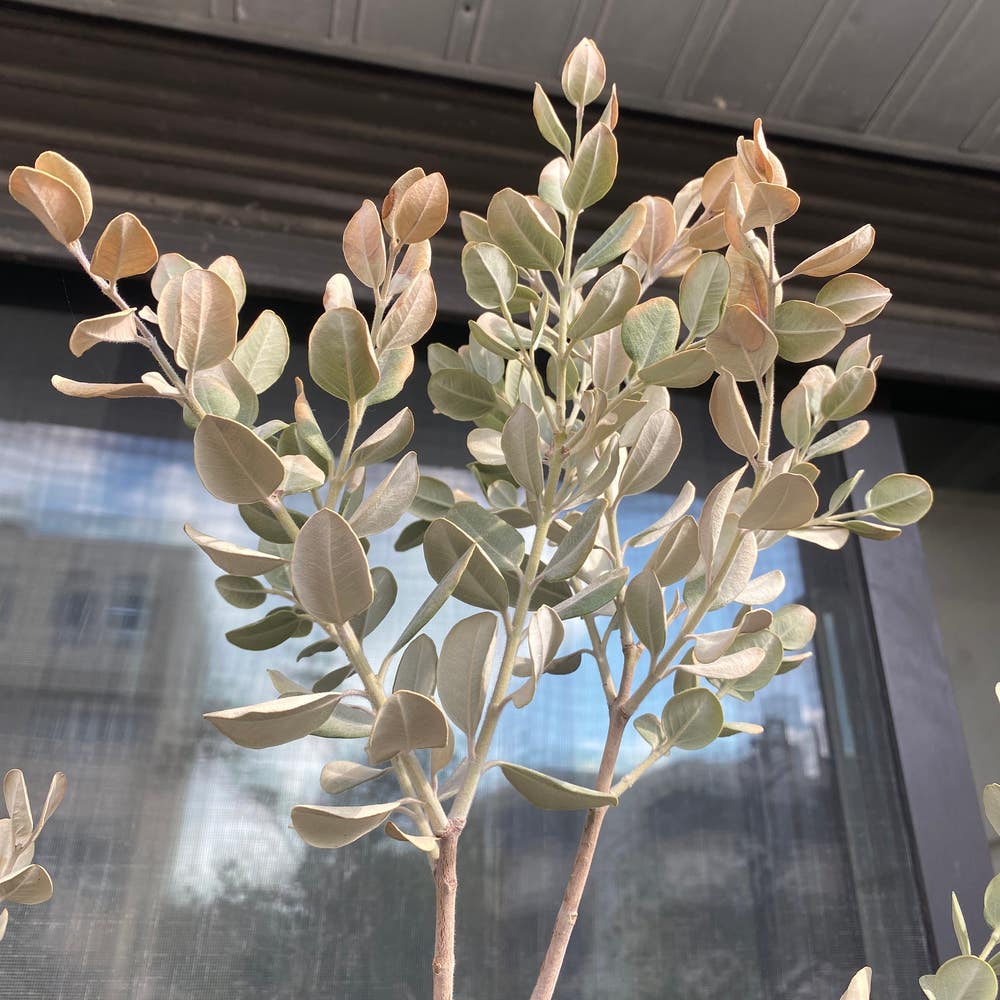
Rata Hardiness Zones: 9a-11b ☀️
Metrosideros tremuloides
By the Greg Editorial Team
Nov 22, 2024•5 min read
This article was created with the help of AI so we can cover more plants for you. May contain errors. See one? Report it here.
- 🌡️ Rata thrives in hardiness zones 9a to 11b, ideal for warmer climates.
- ❄️ Cold tolerance is limited; Rata can withstand temperatures down to 20°F (-6°C).
- 🌱 Well-drained soils are essential for Rata to prevent root rot and promote growth.
Temperature Tolerance
❄️ Cold Tolerance Specifics
Rata plants can tolerate temperatures as low as approximately 20°F (-6°C). However, they are sensitive to frost, which can significantly impact their growth and flowering, particularly during the crucial flowering period.
🔥 Heat Tolerance Specifics
On the flip side, Rata thrives in heat, with a tolerance range extending up to 100°F (38°C). Yet, excessive heat can stress the plant, leading to poor health and reduced blooming.
🌡️ Optimal Growth Temperature Ranges
For optimal growth, Rata prefers a temperature range of 60°F to 80°F (15°C to 27°C). Maintaining consistent temperatures within this range is vital for ensuring healthy development and vibrant blooms.
Understanding these temperature tolerances is essential for successful Rata cultivation. Next, we will explore the ideal growing regions that provide the best conditions for these beautiful plants.
Ideal Growing Regions
🌍 Examples of Suitable US States
Rata thrives in several states known for their favorable climates. California, Florida, Texas, and parts of Arizona stand out as prime locations for Rata cultivation.
In California, regions like Southern California offer warm temperatures and ample sunshine. Florida's coastal areas provide a humid environment that supports Rata's growth, while Texas boasts diverse climates that can cater to this plant. Arizona's warmer regions also present ideal conditions, especially in the southern parts.
🌡️ Factors Contributing to Ideal Conditions
The ideal climate for Rata includes warm temperatures, moderate humidity, and well-drained soils. These elements create a nurturing environment that allows Rata to flourish.
Soil preferences are crucial as well. While Rata can adapt to various soil types, it truly thrives in well-drained conditions, preventing waterlogging that could hinder its growth.
🗺️ Comparison of Regions Within Suitable Zones
Even within suitable states, climate and soil conditions can vary significantly. For instance, coastal areas may experience milder temperatures compared to inland regions, affecting Rata's growth patterns.
Local conditions, such as humidity levels and soil drainage, can influence how well Rata performs. Understanding these nuances is essential for successful cultivation, even if you're within the same hardiness zone.
As we explore the impact of microclimates on Rata's growth, you'll discover how these localized conditions can create unique opportunities for thriving plants.
Microclimates
🌱 Impact on Rata Growth
Microclimates play a crucial role in the growth of Rata by influencing temperature, humidity, and frost exposure. These localized climate variations can create conditions that are more favorable for Rata than the broader climate of the surrounding area.
For instance, a microclimate can provide a warmer environment that extends the growing season, allowing Rata to thrive even in regions that might otherwise be too cool. Understanding these nuances can significantly enhance your success in cultivating this beautiful plant.
🌊 Examples of Supporting Microclimates
Several types of microclimates can support Rata growth effectively.
Coastal Areas
Coastal regions often enjoy moderated temperatures due to the ocean's influence. This consistent climate can help Rata flourish, minimizing the risk of frost damage.
🏙️ Urban Environments
Urban areas tend to retain heat, creating a warmer microclimate. The heat generated by buildings and pavement can provide an ideal environment for Rata, especially during cooler nights.
🌄 Sheltered Valleys
Valleys or sheltered areas can protect Rata from harsh winds and frost. These locations often have a unique climate that can be significantly warmer than surrounding areas, making them perfect for Rata cultivation.
By recognizing and utilizing these microclimates, you can enhance your Rata's growth potential and enjoy its vibrant beauty even in less-than-ideal conditions. Understanding these factors sets the stage for exploring the broader state-level suitability for Rata cultivation.
State-Level Suitability
🌞 Suitable States for Rata
Rata thrives in several states known for their favorable climates. The top contenders include California, Florida, Texas, Hawaii, Louisiana, and parts of Arizona.
- California: With its warm Mediterranean climate, California offers the perfect conditions for Rata, especially in coastal and southern regions.
- Florida: The subtropical climate ensures warm temperatures year-round, ideal for Rata's growth.
- Texas: Regions with moderate humidity and well-drained soils support Rata's health, particularly in the southern parts.
- Hawaii: The tropical climate provides consistent warmth and humidity, making it a paradise for Rata.
- Louisiana: Warm temperatures and rich, well-drained soils create an excellent environment for Rata.
- Arizona: While parts of Arizona can be hot, areas with higher elevations offer a suitable climate for Rata cultivation.
🚫 Unsuitable States and Reasons
Not all states are conducive to Rata's growth. States like North Dakota, Minnesota, Maine, and other northern regions pose significant challenges.
- Extreme Cold: These states experience harsh winters with temperatures far below Rata's cold tolerance of 20°F (-6°C).
- Frost Duration: Extended frost periods can severely hinder Rata's growth and flowering cycles.
- Unsuitable Soil Conditions: Heavy clay or poorly drained soils found in these regions can lead to root rot and other issues detrimental to Rata.
❄️ Frost Dates and Their Impact
Understanding frost dates is crucial for successful Rata cultivation. The first frost and last frost dates mark the beginning and end of the growing season.
- First Frost Date: This is the date when temperatures drop low enough to potentially damage plants. Knowing this helps in planning when to plant Rata.
- Last Frost Date: This date indicates when the risk of frost has passed, allowing for safe planting.
Awareness of local frost dates ensures that Rata is planted and cared for at the right times, maximizing growth potential.
In summary, selecting the right state for Rata cultivation is essential for thriving plants. Understanding local conditions, including frost dates, can make all the difference in your gardening success. Next, we will explore how microclimates can further influence Rata's growth.
⚠️ Safety First
This content is for general information and may contain errors, omissions, or outdated details. It is not medical, veterinary advice, or an endorsement of therapeutic claims.
Always consult a qualified healthcare professional before using any plant as food, medicine, or supplement.
Never eat any plant (or feed one to pets) without confirming its identity with at least two trusted sources.
If you suspect poisoning, call Poison Control (800) 222-1222, the Pet Poison Helpline (800) 213-6680, or your local emergency service immediately.
Spotted an error? Please report it here.
Maximize your Rata's growth potential in hardiness zones 9a to 11b 🌱 by using Greg's tailored care tips and frost date reminders to ensure your plants thrive!