Ultimate Guide to What's Eating Your Rata 🐛
Metrosideros tremuloides
By the Greg Editorial Team
Nov 22, 2024•7 min read
This article was created with the help of AI so we can cover more plants for you. May contain errors. See one? Report it here.
- 🌳 Rata trees grow 10-30 meters tall, featuring glossy leaves and bright red flowers.
- 🐾 Herbivores like deer and rabbits threaten Rata's growth; use repellents and barriers.
- 🐦 Pollinators and birds play vital roles in Rata's ecosystem; manage their interactions wisely.
Description and Appeal of Rata
Appearance and Characteristics 🌳
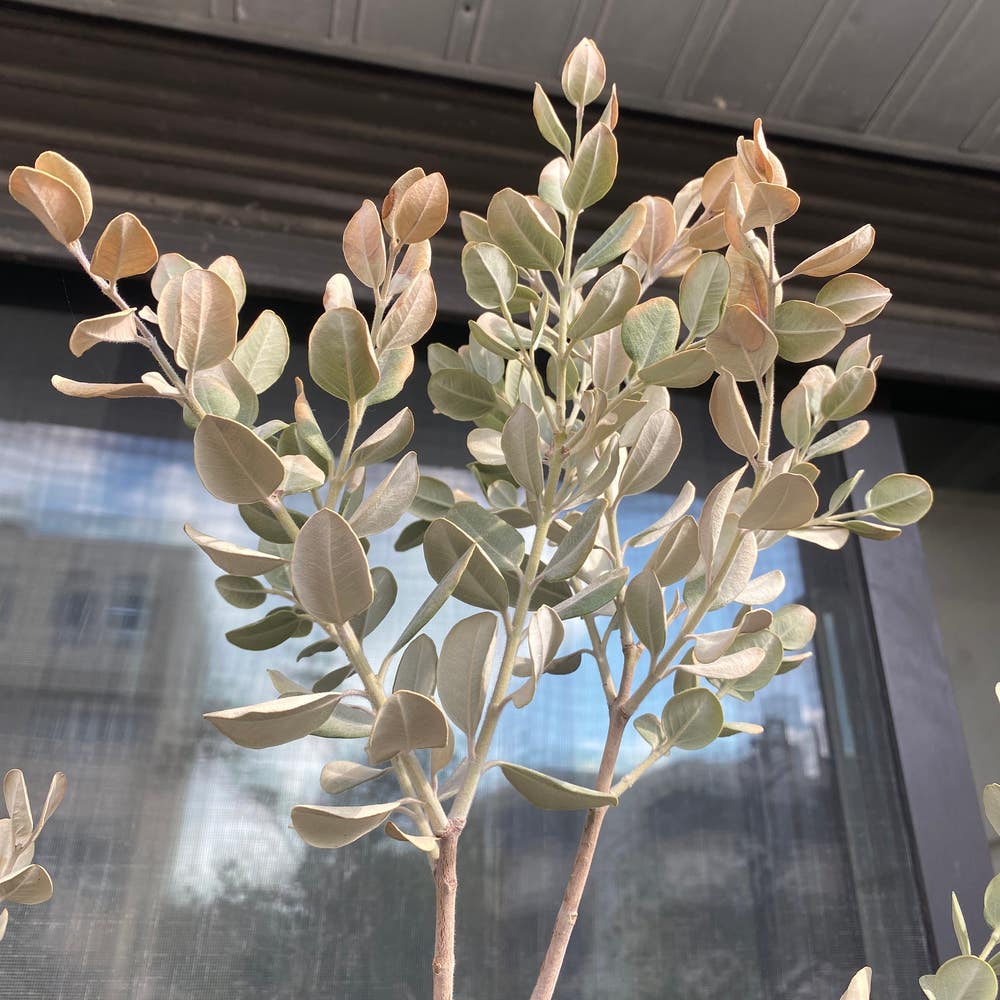
Rata trees are truly remarkable, typically reaching heights between 10-30 meters (33-98 feet), depending on the species. Their glossy, dark green leaves have a leathery texture, making them visually striking in any landscape.
The standout feature of Rata is its bright red, tubular flowers that bloom in clusters. These vibrant blooms not only catch the eye but also attract a variety of pollinators, adding to the tree's ecological charm.
Most Appealing Parts to Animals 🐾
Young shoots of Rata are particularly tender and nutritious, making them a favorite target for herbivores. These shoots are often the first to be nibbled on, as they provide essential nutrients for growing animals.
The flowers are another highlight, rich in nectar that draws in both pollinators and herbivores alike. This sweet offering is a vital food source for many creatures.
Finally, the fruits of the Rata are sweet and fleshy, appealing to birds and mammals. This makes Rata not just a beautiful addition to gardens but also a crucial part of the local food web.
In summary, Rata's unique characteristics and appealing parts create a dynamic interaction with wildlife, making it a vital component of its ecosystem. As we explore the common herbivores affecting Rata, we’ll delve into how these interactions can impact the health of these magnificent trees.
Common Herbivores Affecting Rata
🦌 Deer
Signs of presence and damage caused
Deer are often the first culprits when it comes to Rata damage. Look for distinct hoof prints near Rata plants, along with evidence of browsing on leaves and young shoots, which can lead to stunted growth.
Beneficial vs. harmful interactions
Interactions with deer are generally harmful. They can decimate young plants, significantly hindering their growth and overall health.
Deterrent methods (difficulty: moderate)
To keep deer at bay, consider using commercial deer repellents that contain putrescent egg solids. Alternatively, planting strong-smelling herbs like lavender around Rata can act as a natural deterrent.
🐇 Rabbits
Signs of presence and damage caused
Rabbits leave behind small, round droppings near Rata, which can be a telltale sign of their presence. Their gnawing on stems and leaves can lead to significant plant damage.
Beneficial vs. harmful interactions
Rabbits are generally harmful to Rata. Their feeding habits can severely reduce the plant's vigor, making it less resilient.
Deterrent methods (difficulty: easy)
For an easy fix, use rabbit repellents that have a bitter taste. You can also create a physical barrier by installing fencing that is at least 2 feet high and using predator urine to deter them.
🐿️ Squirrels
Signs of presence and damage caused
Squirrels can be identified by chewed bark on branches and stems. This bark stripping can lead to disease and stress for the Rata plant.
Beneficial vs. harmful interactions
Interactions with squirrels are generally harmful. Their gnawing can weaken plants, making them more susceptible to diseases.
Deterrent methods (difficulty: moderate)
To deter squirrels, consider using capsaicin-based sprays that make the plant unpalatable. Installing squirrel-proof feeders can also distract them from your Rata.
🐦 Birds
Signs of presence and damage caused
Birds may leave small peck marks on flowers and fruits. Their feeding habits can reduce seed production by consuming nectar and fruits.
Beneficial vs. harmful interactions
Bird interactions are mixed. While some birds act as pollinators, others may damage flowers, leading to a decline in plant health.
Deterrent methods (difficulty: easy)
To manage bird activity, use non-toxic bird repellents. Hanging reflective objects can also help deter them from your Rata.
🐭 Rodents (mice, voles, etc.)
Signs of presence and damage caused
Rodents create small burrows near the base of Rata, which can indicate their presence. Their gnawing on roots and stems can lead to significant plant decline.
Beneficial vs. harmful interactions
Rodents are generally harmful. They can cause considerable root damage, jeopardizing the plant's health.
Deterrent methods (difficulty: hard)
For a more challenging deterrent, consider using rodent bait stations. Trapping and applying natural repellents like peppermint oil can also help manage their populations.
🦡 Groundhogs/Woodchucks
Signs of presence and damage caused
Groundhogs create large burrows in the ground near Rata. Their extensive feeding on leaves and stems can lead to plant death.
Beneficial vs. harmful interactions
Interactions with groundhogs are generally harmful. They can devastate Rata populations, making them a significant threat.
Deterrent methods (difficulty: moderate)
To deter groundhogs, use commercial repellents with strong odors. Installing fencing with buried barriers can also prevent them from digging.
By understanding the common herbivores that affect Rata, you can take proactive steps to protect your plants. Next, let’s explore the beneficial animals that contribute positively to the Rata ecosystem.
Beneficial Animals and Ecosystem Impact
🐝 Pollinators: Nature's Helpers
Rata trees attract a variety of beneficial animals, particularly pollinators like bees and butterflies. These creatures feed on Rata's nectar, playing a crucial role in the plant's reproductive process.
🐦 Birds: Seed Dispersers
Certain bird species also flock to Rata, contributing to pollination and seed dispersal. Their activities not only help Rata thrive but also enhance the overall health of the ecosystem.
🌱 Enhancing Biodiversity
The presence of these beneficial animals significantly boosts biodiversity in your garden. By attracting various insects and birds, Rata creates a vibrant habitat that supports a wide range of life.
🌍 Supporting the Food Web
Moreover, Rata serves as a vital food source within the food web. It provides nourishment and shelter for numerous species, ensuring a balanced ecosystem.
In summary, fostering beneficial animals around Rata not only aids in its growth but also enriches the garden environment. This symbiotic relationship highlights the importance of protecting these interactions while managing harmful herbivores.
Next, we will explore general strategies for protecting Rata from potential threats.
General Strategies for Protecting Rata
🛡️ Preventive Measures for Herbivore Damage
To keep your Rata thriving, regular monitoring is essential. Check for signs of animal activity, such as tracks or nibbling on leaves.
Implementing physical barriers, like fencing, can also be a game-changer. A sturdy fence around your Rata can deter many herbivores from getting too close.
⚠️ Reactive Solutions for Managing Animal Interactions
If you notice damage, act quickly by removing affected parts of the plant. This promotes recovery and helps your Rata bounce back.
Using repellents and traps can also be effective. Choose options that suit your garden's needs and the specific animals you're dealing with.
🌱 Balancing Ecosystem Health While Protecting Rata
Encouraging beneficial animals is key to maintaining a healthy ecosystem. Attract pollinators and other helpful creatures while managing harmful herbivores.
Consider utilizing companion planting as a natural deterrent. Certain plants can repel pests, creating a harmonious environment for your Rata to flourish.
By implementing these strategies, you can protect your Rata while fostering a vibrant garden ecosystem. Next, let’s explore the seasonal considerations that affect Rata and its interactions with wildlife.
Seasonal Considerations
🌱 Seasonal Variations in Animal Attraction to Rata
As the seasons change, so does the activity of herbivores around Rata plants. In spring, when Rata is bursting with new growth, herbivore activity ramps up significantly.
During this time, animals are drawn to the tender young shoots, which are not only nutritious but also easy to access. The attraction peaks during the flowering and fruiting seasons, when the bright red flowers and sweet fruits become irresistible to various creatures.
⏰ Timing of Rata's Growth Cycle and Animal Interactions
Understanding the growth cycle of Rata is crucial for effective management. Young shoots are particularly vulnerable in early spring, making them prime targets for hungry herbivores.
As the season progresses into late summer, mature Rata plants develop a bit more resilience. They can withstand some herbivore pressure, but vigilance is still necessary to protect their health and vitality.
By keeping an eye on these seasonal patterns, you can better anticipate and mitigate potential damage to your Rata plants. This proactive approach not only safeguards your garden but also fosters a thriving ecosystem.
⚠️ Safety First
This content is for general information and may contain errors, omissions, or outdated details. It is not medical, veterinary advice, or an endorsement of therapeutic claims.
Always consult a qualified healthcare professional before using any plant as food, medicine, or supplement.
Never eat any plant (or feed one to pets) without confirming its identity with at least two trusted sources.
If you suspect poisoning, call Poison Control (800) 222-1222, the Pet Poison Helpline (800) 213-6680, or your local emergency service immediately.
Spotted an error? Please report it here.
Safeguard your Rata trees from pesky herbivores and watch them flourish 🌱 with Greg's personalized monitoring and effective deterrent tips tailored just for your plants!