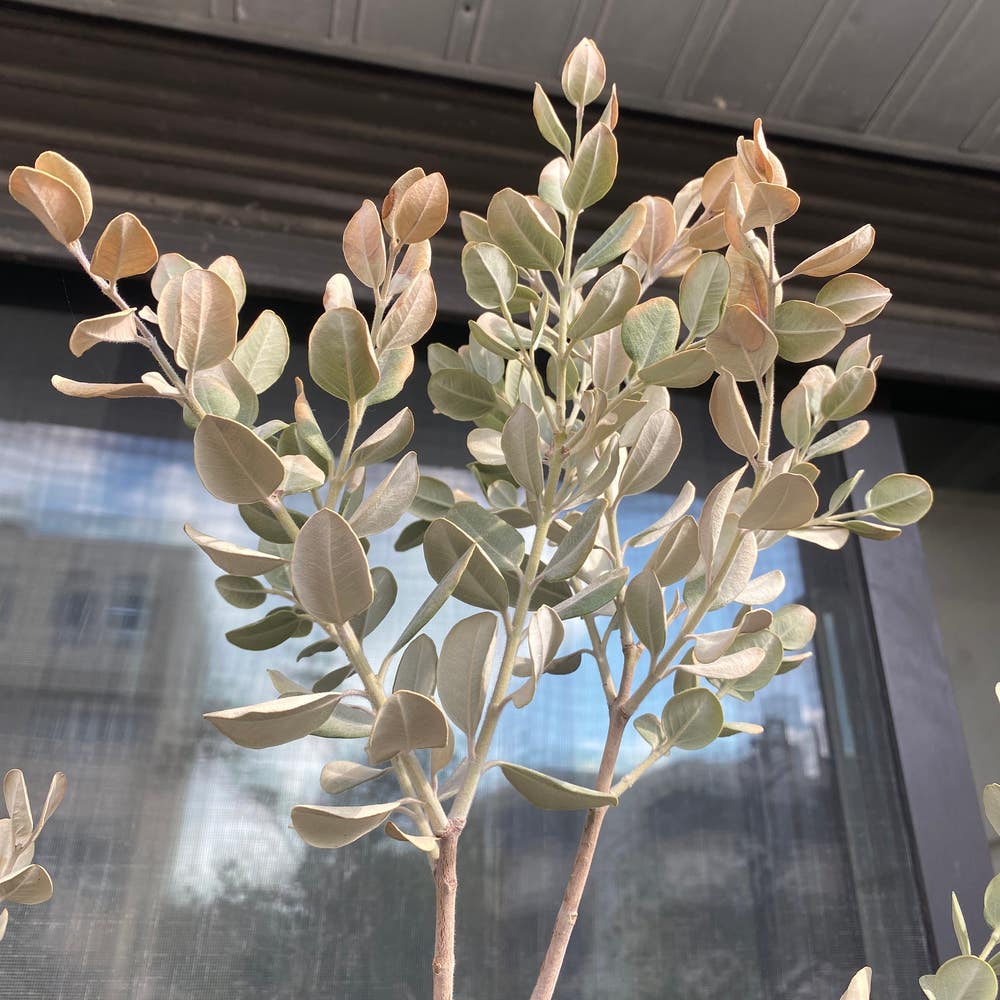
Managing Yellow Leaves on Your Rata 🍂
Metrosideros tremuloides
By the Greg Editorial Team
Nov 22, 2024•6 min read
This article was created with the help of AI so we can cover more plants for you. May contain errors. See one? Report it here.
- 🌱 Yellow leaves indicate nutrient deficiencies, especially nitrogen and iron.
- 💧 Overwatering and underwatering both cause yellow leaves; maintain a consistent watering schedule.
- 🐛 Pests like aphids can lead to yellowing; early detection is crucial for treatment.
Causes of Yellow Leaves
🌱 Nutrient Deficiencies
Nitrogen Deficiency
Nitrogen deficiency is a common issue that manifests as pale green to yellow leaves, especially noticeable on older foliage. This nutrient is vital for chlorophyll production, which is essential for the plant's overall vigor and health.
Iron Deficiency
Iron deficiency presents itself through yellowing between the leaf veins, a condition known as interveinal chlorosis, where the veins remain green. Iron plays a crucial role in photosynthesis and enzyme function, making its presence essential for a thriving Rata.
💧 Watering Issues
Overwatering and Root Rot
Overwatering can lead to yellow leaves, wilting, and mushy roots, indicating root rot. This condition often arises from poor drainage and excessive moisture, which can suffocate the roots and hinder their ability to absorb nutrients.
Underwatering and Drought Stress
On the flip side, underwatering results in yellowing leaves with crispy edges and eventual leaf drop. This typically occurs when the plant is not watered frequently enough, leading to dehydration and stress.
🐛 Pests Affecting Leaf Health
Common Pests
Pests can wreak havoc on your Rata's health. Aphids, small green insects, suck sap from the leaves, causing yellowing and curling. Spider mites, tiny spider-like pests, create webbing and cause stippling on leaves, further compromising the plant's vitality.
🌡️ Environmental Stress
Temperature Fluctuations
Extreme temperature fluctuations can cause yellow leaves, as Rata prefers moderate climates. This sensitivity to heat or cold can lead to stress, impacting the overall health of the plant.
Humidity Levels
Low humidity levels can also result in yellowing leaves. Rata thrives in moderate humidity, and dry air can stress the plant, making it crucial to monitor and adjust humidity levels for optimal growth.
Understanding these causes is the first step in addressing yellow leaves on your Rata. By identifying the underlying issues, you can take proactive measures to restore your plant's health and vibrancy.
Diagnosing Yellow Leaves
🌱 Identifying Symptoms of Nutrient Deficiencies
To diagnose nutrient deficiencies in your Rata, start by checking the leaf color and pattern. Pale leaves or interveinal chlorosis, where the area between the veins turns yellow while the veins remain green, are key indicators.
Next, conduct soil tests to assess nutrient levels, focusing particularly on nitrogen and iron. These nutrients are vital for your plant's health and vigor.
💧 Recognizing Signs of Overwatering vs. Underwatering
Understanding the signs of overwatering and underwatering is crucial. Overwatering typically results in yellow leaves, wilting, and root rot, while underwatering leads to yellowing leaves with crispy edges and eventual leaf drop.
🐛 Checking for Pest Infestations
Pest infestations can also cause yellow leaves. Inspect your Rata's leaves for visible pests like aphids and spider mites, as well as any webbing they may leave behind.
Assessing leaf damage is equally important. Yellowing, curling, or stippling can indicate that pests are affecting your plant's health.
🌤️ Assessing Environmental Conditions
Finally, consider the environmental conditions affecting your Rata. Ensure it receives adequate sunlight, ideally full sun to partial shade, to thrive.
Monitor temperature fluctuations as well. Extreme changes can stress your plant, leading to yellow leaves and other health issues.
By carefully diagnosing these factors, you can take the necessary steps to restore your Rata's vibrant green foliage. Next, let's explore effective solutions for addressing yellow leaves.
Solutions for Yellow Leaves
🌊 Adjusting Watering Practices
Establishing a consistent watering schedule is crucial. Water your Rata when the top inch of soil feels dry to the touch.
Proper drainage is equally important. Use well-draining soil and pots with drainage holes to prevent water from pooling.
Monitor moisture levels regularly. A moisture meter can help you gauge the soil's wetness accurately.
🌱 Fertilizing with Appropriate Nutrients
Choosing the right fertilizer can make a significant difference. Look for balanced formulations that are high in nitrogen and iron.
Apply fertilizer during the growing season. Aim to fertilize every 4-6 weeks while your plant is actively growing.
Always follow application guidelines. Adhering to recommended dosages helps avoid the pitfalls of over-fertilization.
🐛 Treating Pests and Diseases
Identifying pests early can save your Rata from further damage. Use a magnifying glass to spot small pests like spider mites.
Apply organic treatments for effective pest control. Neem oil or insecticidal soap can help manage infestations without harsh chemicals.
Regularly monitor your plant's health. Keep an eye out for signs of reinfestation to catch issues before they escalate.
🌞 Modifying Environmental Conditions
Adjusting light exposure is essential for your Rata's well-being. Ensure it receives 6-8 hours of sunlight daily for optimal growth.
Increasing humidity can also benefit your plant. Consider using a humidifier or placing pebble trays filled with water nearby.
Controlling temperature is vital, too. Protect your Rata from extreme weather conditions with shade or insulation to keep it thriving.
By implementing these solutions, you can effectively manage yellow leaves on your Rata and promote a healthier, more vibrant plant. Next, let's explore how to prevent yellow leaves from becoming a recurring issue.
Preventing Yellow Leaves
🌱 Best Practices for Rata Care
To keep your Rata thriving, regularly check soil moisture and nutrient levels. This proactive approach helps you catch potential issues before they escalate.
Maintaining a consistent watering schedule is crucial. Avoid extremes by ensuring the soil dries slightly between waterings, which promotes healthy root growth.
🐛 Regular Monitoring for Pests and Diseases
Conduct weekly inspections for pests and signs of disease. Early detection is key to managing any issues that may arise.
Implementing early intervention strategies can save your plant from significant damage. Stay vigilant and act quickly if you notice any abnormalities.
🌦️ Seasonal Care Adjustments
Adjust your watering and fertilization routines based on seasonal growth patterns. Rata may require more frequent care during its active growing season.
As winter approaches, prepare your Rata by protecting it from cold drafts and frost. This simple step can make a big difference in its health.
🌍 Soil Health and Amendments
Using organic compost enriches the soil and improves drainage. This not only benefits your Rata but also enhances the overall health of your garden.
Regularly testing soil pH ensures it remains within the ideal range of 6.0-7.0. Healthy soil is the foundation for vibrant plants.
By following these preventive measures, you can keep your Rata looking lush and green. Next, let’s dive into diagnosing yellow leaves to further enhance your plant care skills.
⚠️ Safety First
This content is for general information and may contain errors, omissions, or outdated details. It is not medical, veterinary advice, or an endorsement of therapeutic claims.
Always consult a qualified healthcare professional before using any plant as food, medicine, or supplement.
Never eat any plant (or feed one to pets) without confirming its identity with at least two trusted sources.
If you suspect poisoning, call Poison Control (800) 222-1222, the Pet Poison Helpline (800) 213-6680, or your local emergency service immediately.
Spotted an error? Please report it here.
Transform your Rata's yellow leaves into vibrant green foliage 🌿 by using Greg's personalized watering and nutrient reminders to ensure your plant thrives!