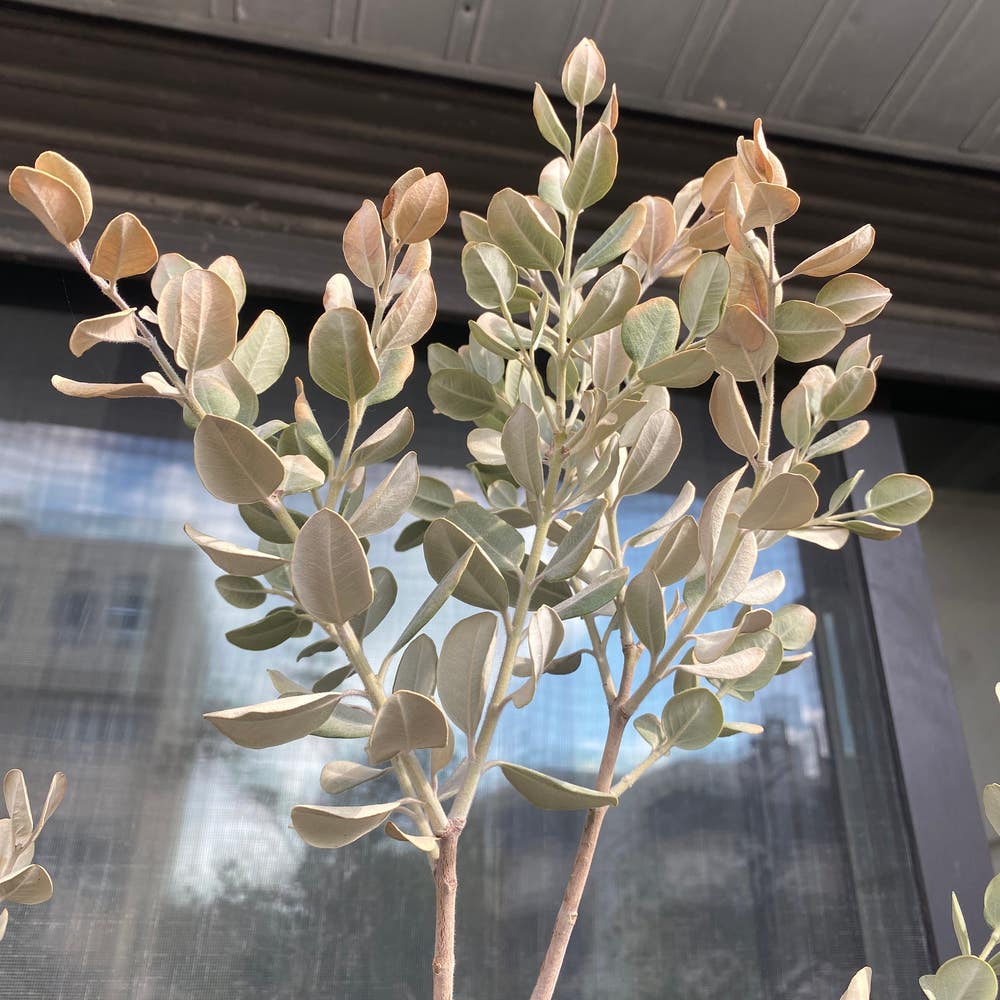
🌞 7 Outdoor Care Hacks for Rata
Metrosideros tremuloides
By the Greg Editorial Team
Nov 22, 2024•6 min read
This article was created with the help of AI so we can cover more plants for you. May contain errors. See one? Report it here.
- ☀️ Rata needs 6-8 hours of sunlight daily for optimal growth and health.
- 💧 Weekly deep watering is crucial during dry spells to support strong roots.
- 🌱 Well-draining, acidic soil enhances nutrient availability for thriving Rata plants.
Sunlight and Watering Needs
Optimal Sunlight Conditions 🌞
Rata thrives best in full sun to partial shade, making it essential to choose the right spot for planting. Aim for 6-8 hours of direct sunlight daily to ensure vibrant growth and abundant flowering.
Insufficient sunlight can lead to stunted growth and fewer blooms. Keep an eye on your Rata to ensure it gets the light it craves.
Watering Frequency and Techniques 🚰
During dry periods, water your Rata weekly to keep it healthy and hydrated. Deep watering is key, as it encourages strong root growth and resilience.
Be mindful of the signs of overwatering and underwatering. Yellowing leaves and root rot indicate too much water, while wilting and dry leaf edges suggest your plant needs a drink.
Soil and Fertilization Preferences
Ideal Soil Composition 🌱
Rata thrives best in well-draining soil with an acidic to neutral pH, ideally between 6.0 and 7.0. This balance ensures that nutrients are readily available while preventing waterlogging.
To enhance soil quality, consider adding organic matter. This amendment improves drainage and boosts nutrient content, creating a fertile environment for your Rata to flourish.
Proper drainage is crucial for healthy growth. It helps prevent root rot, allowing your plant to establish a robust root system.
Recommended Fertilizers and Application Methods 🧪
When it comes to fertilization, slow-release fertilizers are a great choice for Rata. Look for balanced NPK formulations, such as 10-10-10, or those specifically designed for flowering plants.
Timing your fertilization is key. Apply fertilizers in early spring and again in mid-summer to support growth and blooming.
For application, distribute the fertilizer evenly around the base of the plant. Be sure to avoid direct contact with the stem to prevent any potential damage.
With the right soil and fertilization strategies, your Rata will be well-equipped to thrive. Next, let’s explore the benefits and drawbacks of planting options, whether in containers or in the ground.
Planting Options: Container vs. Ground
Benefits and Drawbacks of Container Planting 🌱
Container planting offers several advantages for Rata enthusiasts. You gain flexibility in placement, allowing you to move plants to optimize sunlight or protect them from harsh weather.
Additionally, you have greater control over soil quality, which can lead to healthier plants. Pest management is also easier, as you can monitor and treat container plants more closely.
However, container planting comes with its challenges. Limited root space can restrict growth, making it crucial to choose appropriately sized containers.
Moreover, you'll need to water more frequently, as containers tend to dry out faster. Temperature fluctuations can also affect container plants, requiring extra attention during extreme weather.
Benefits and Drawbacks of Ground Planting 🌍
Ground planting presents a different set of benefits for Rata. It provides natural growth conditions, allowing plants to thrive in their native environment.
Better moisture retention is another advantage, as the ground can hold water more effectively than containers. Additionally, ground planting offers enhanced stability, reducing the risk of plants toppling over in strong winds.
On the flip side, ground planting has its drawbacks. You have less control over soil quality, which can impact plant health if the soil is poor.
There's also the potential for exposure to pests, as ground plants are more vulnerable to infestations. Finally, relocating ground-planted Rata can be difficult, requiring careful planning and effort.
In summary, both planting options have unique pros and cons. Choosing between container and ground planting depends on your specific gardening goals and conditions.
Next, we’ll explore strategies for protecting your Rata from weather extremes and common pests.
Protection from Weather and Pests
🌬️ Strategies for Weather Protection
To keep your Rata thriving, protecting it from extreme weather is essential. Start by creating windbreaks; planting shrubs or trees nearby can significantly reduce wind exposure.
Another effective technique is mulching. Applying organic mulch helps regulate soil temperature and moisture, creating a stable environment for your plants.
As seasons change, make seasonal adjustments to your protection strategies. During winter months, provide extra shielding to guard against frost and harsh conditions.
🐛 Common Outdoor Pests and Diseases
Identifying common pests is crucial for maintaining your Rata's health. Scale insects are a frequent nuisance, often leaving sticky residue and causing yellowing leaves.
Prevention is key. Regular inspections and early intervention can save your plants from serious damage. Encouraging natural predators, like ladybugs, can also help keep pest populations in check.
Root rot is a common disease to watch for, characterized by wilting and discolored roots. It often stems from overwatering, so maintaining proper watering techniques is vital.
If diseases do arise, management strategies include using fungicides when necessary. Staying proactive in your care routine will help ensure your Rata remains healthy and vibrant.
With these protective measures in place, your Rata will be better equipped to face the elements and fend off pests. Next, let’s explore how seasonal changes impact your care routine.
Seasonal Care and Climate Considerations
🌱 Seasonal Changes and Their Impact on Care
Caring for Rata requires attention to seasonal changes. In spring, focus on fertilization and monitor for new growth to ensure your plant thrives.
As temperatures rise in summer, increase watering and conduct regular pest inspections. This proactive approach helps maintain plant health during the hottest months.
When fall arrives, prepare Rata for dormancy by considering potential pruning. This step can enhance its resilience for the winter ahead.
Finally, in winter, protect your Rata from frost and extreme cold. Covering the plant or moving it to a sheltered location can make a significant difference.
🌍 Special Considerations for Different Climate Zones
Rata is adaptable to temperate climates, but care varies by location. In coastal areas, implement wind protection strategies to shield your plants from harsh gusts.
For those in inland areas, adjust your watering frequency based on temperature fluctuations. This ensures your Rata receives the right amount of moisture throughout the year.
🔄 Tips for Adjusting Care Based on Seasonal Variations
Stay vigilant by monitoring weather patterns and adjusting care accordingly. This attentiveness helps you respond to changing conditions effectively.
Consider using the Greg plant care app for reminders on watering and fertilization schedules. This tool can simplify your gardening routine and keep your Rata healthy.
Lastly, be proactive in pest and disease management throughout the seasons. Early detection and intervention can save your plant from significant issues down the line.
With these seasonal care tips, your Rata will flourish, ready to face whatever nature throws its way. Next, let’s explore effective strategies for protecting your plant from weather extremes and pests.
⚠️ Safety First
This content is for general information and may contain errors, omissions, or outdated details. It is not medical, veterinary advice, or an endorsement of therapeutic claims.
Always consult a qualified healthcare professional before using any plant as food, medicine, or supplement.
Never eat any plant (or feed one to pets) without confirming its identity with at least two trusted sources.
If you suspect poisoning, call Poison Control (800) 222-1222, the Pet Poison Helpline (800) 213-6680, or your local emergency service immediately.
Spotted an error? Please report it here.
Keep your Rata thriving and flourishing 🌱 with Greg's tailored watering alerts and pest management tips that make outdoor care a breeze!