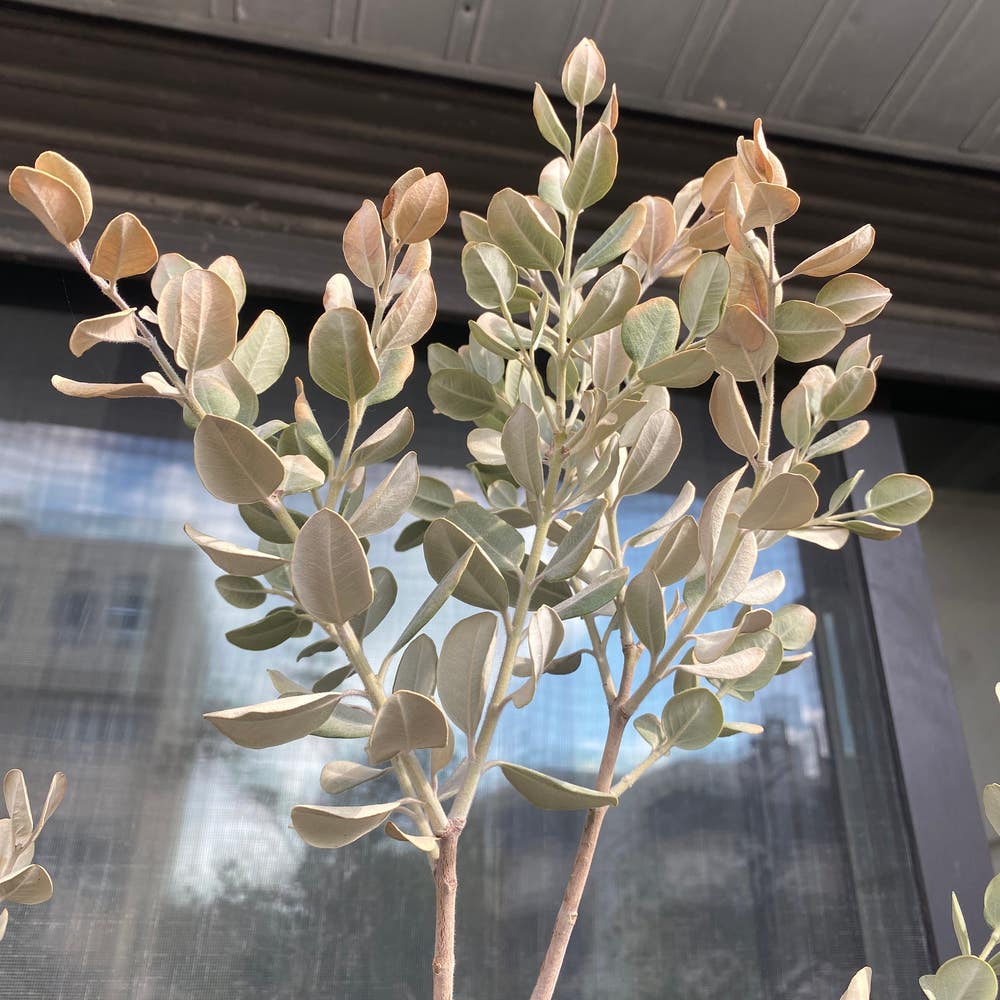
🌼 Rata Is a Perennial
Metrosideros tremuloides
By the Greg Editorial Team
Nov 22, 2024•5 min read
This article was created with the help of AI so we can cover more plants for you. May contain errors. See one? Report it here.
- 🌱 Rata is a perennial, thriving for years with continuous growth and flowering.
- 🌍 Adaptable to various climates, Rata supports ecosystems and withstands drought conditions.
- 🌸 Seasonal growth cycles enhance Rata's health, ensuring vibrant blooms and longevity.
Rata's Classification as a Perennial
Key Characteristics 🌱
Rata is a remarkable perennial, thriving over multiple years with continuous growth and flowering. This multi-year lifecycle allows it to establish itself firmly in its environment, showcasing resilience and beauty season after season.
Rata exhibits distinct growth patterns that align with seasonal changes. Its ability to regrow from established roots ensures that it can adapt to varying conditions, making it a reliable choice for gardeners looking for longevity in their plants.
The seasonal growth cycles of Rata are fascinating. Each year, it undergoes a transformation, responding to environmental cues that dictate when to bloom and when to conserve energy.
Understanding these characteristics not only highlights Rata's adaptability but also emphasizes its role in creating vibrant landscapes. Gardeners can appreciate the plant's ability to thrive year after year, enriching their gardens with minimal effort.
As we delve deeper into Rata's growth and lifespan implications, we will explore how its flowering patterns contribute to its overall lifecycle and longevity.
Growth and Lifespan Implications
🌸 Flowering and Lifespan
Rata's flowering patterns are a fascinating aspect of its perennial lifecycle. These trees bloom seasonally, showcasing vibrant flowers that attract pollinators and add beauty to the landscape.
The relationship between flowering and the perennial lifecycle is crucial. Each blooming season contributes to the plant's overall health and reproductive success, ensuring the continuation of its species.
When it comes to lifespan, Rata trees can thrive for decades under optimal conditions. Factors such as soil quality, water availability, and climate play significant roles in determining how long these magnificent trees will live.
In ideal environments, Rata can reach impressive ages, but neglect or adverse conditions can shorten their lifespan. Understanding these influences helps gardeners provide the best care for their Rata, promoting longevity and vitality.
As we explore the next section, we’ll delve into the dormancy and seasonal changes that further shape Rata's growth and flowering cycles.
Dormancy and Seasonal Changes
🌱 Dormancy and Adaptation
Rata experiences a unique dormancy phase, which is crucial for its lifecycle. During this period, the plant shows signs of reduced growth and leaf drop, allowing it to conserve energy and resources.
This dormancy is not just a pause; it’s a strategic adaptation to seasonal changes. By entering dormancy, Rata can withstand harsh conditions, ensuring its survival until favorable growth conditions return.
🍂 Seasonal Changes
As seasons shift, Rata demonstrates remarkable adaptability. In spring, it awakens from dormancy, showcasing vibrant growth and budding flowers, signaling the start of its active phase.
In contrast, during the colder months, Rata’s growth slows significantly. This seasonal rhythm is essential for its health, allowing it to thrive year after year while minimizing stress on its resources.
Understanding Rata's dormancy and seasonal changes can help gardeners appreciate its resilience and plan for optimal care. This knowledge sets the stage for exploring the advantages of Rata's perennial nature, which we'll delve into next.
Advantages for Gardeners
🌱 Benefits of Perennial Nature
Rata's classification as a perennial brings significant advantages for gardeners. One of the most appealing benefits is the reduced need for replanting, which translates to both cost and labor savings.
Established root systems play a crucial role in this efficiency. They enhance nutrient uptake, allowing Rata to thrive even in less-than-ideal soil conditions.
💧 Drought Resistance
Moreover, these robust roots contribute to drought resistance. Once established, Rata can withstand dry spells better than many annuals, making it a smart choice for sustainable gardening.
💰 Long-Term Investment
Investing in perennials like Rata means you're not just planting for one season. You're cultivating a lasting relationship with your garden that pays off year after year.
🌍 Environmental Benefits
Additionally, perennials support local ecosystems. They provide habitats for beneficial insects and contribute to soil health, creating a vibrant garden environment.
In summary, choosing Rata as a perennial not only simplifies your gardening routine but also enhances the overall health of your garden. This makes it a win-win for both you and the environment.
Next, let's explore how Rata adapts to seasonal changes and dormancy, ensuring its survival through various conditions.
Variations in Behavior
🌦️ Climate Influence
Rata's adaptability is remarkable, allowing it to thrive across various climate zones. From tropical warmth to cooler temperate regions, Rata has developed survival strategies that ensure its resilience.
In warmer climates, Rata may experience longer growing seasons, leading to more frequent flowering. Conversely, in cooler areas, it may enter dormancy earlier, conserving energy for the next growth cycle.
⏳ Factors Affecting Longevity
Several environmental conditions play a crucial role in Rata's lifespan. Soil quality, moisture levels, and sunlight exposure can significantly impact its growth and flowering patterns.
Care practices also influence longevity. Regular pruning, proper watering, and pest management can enhance Rata's health, ensuring it flourishes for decades.
Understanding these factors helps gardeners optimize conditions for their Rata plants, promoting robust growth and vibrant blooms.
As we explore Rata's dormancy and seasonal changes next, we'll see how these adaptations further contribute to its perennial nature.
⚠️ Safety First
This content is for general information and may contain errors, omissions, or outdated details. It is not medical, veterinary advice, or an endorsement of therapeutic claims.
Always consult a qualified healthcare professional before using any plant as food, medicine, or supplement.
Never eat any plant (or feed one to pets) without confirming its identity with at least two trusted sources.
If you suspect poisoning, call Poison Control (800) 222-1222, the Pet Poison Helpline (800) 213-6680, or your local emergency service immediately.
Spotted an error? Please report it here.
Nurture your Rata's resilience 🌱 with Greg's personalized care tips and reminders, ensuring it thrives beautifully for years to come!