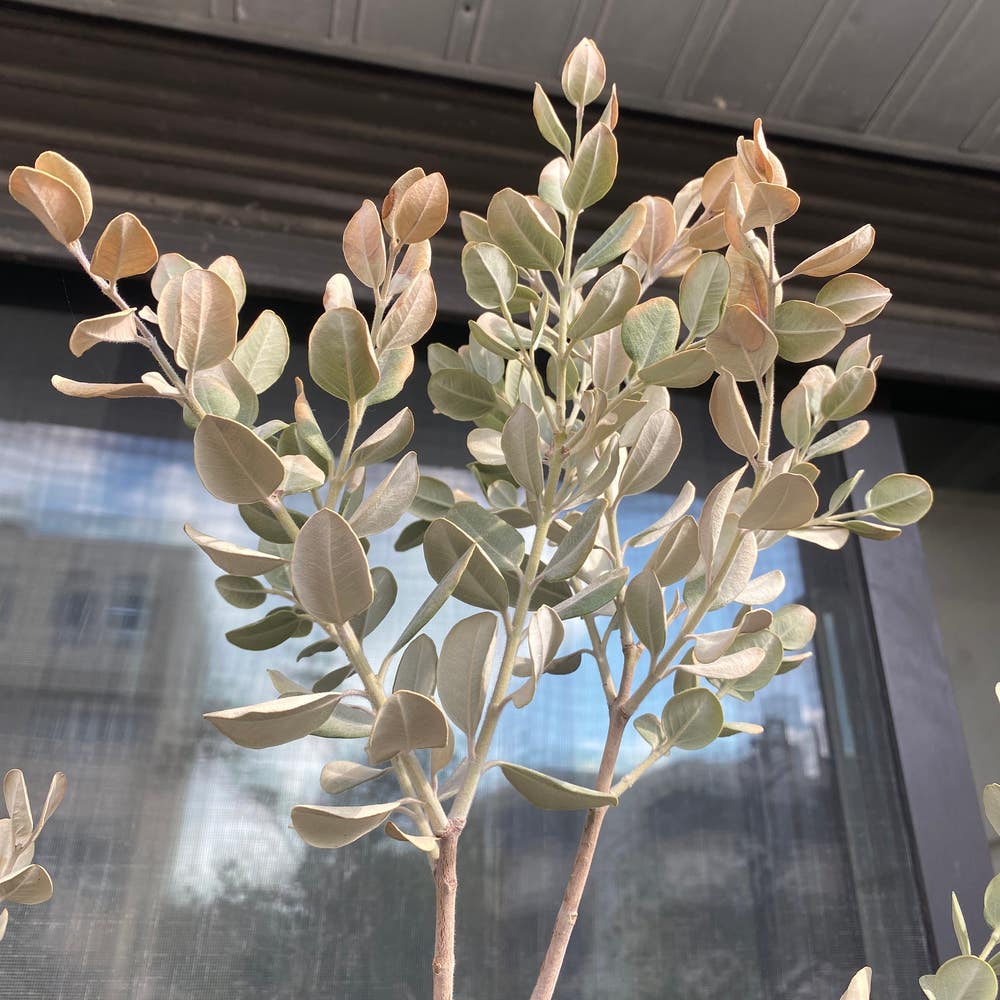
3 Facts About Rata Pollination 🐝
Metrosideros tremuloides
By the Greg Editorial Team
Nov 22, 2024•6 min read
This article was created with the help of AI so we can cover more plants for you. May contain errors. See one? Report it here.
- 🌺 Rata flowers attract bees and hummingbirds with their bright red color and nectar.
- 🌍 Cross-pollination boosts genetic diversity, ensuring Rata trees thrive and adapt.
- 🐝 Creating pollinator-friendly habitats enhances Rata tree reproduction and local biodiversity.
Flower Structure
Description of Anatomy 🌺
Rata flowers are truly a sight to behold, featuring a tubular shape that clusters together in dense formations. Their bright red color not only makes them visually striking but also serves a crucial role in attracting a variety of pollinators.
The arrangement of these flowers enhances their visibility, making it easier for pollinators to spot them from a distance. This strategic clustering is essential for maximizing pollination opportunities.
Role in Pollination 🐝
The tubular shape of Rata flowers is specifically designed to facilitate cross-pollination. This unique structure allows various pollinator species, such as bees and hummingbirds, to access the nectar and pollen efficiently.
Color plays a pivotal role in attracting specific pollinators, with bright hues signaling food sources. Additionally, Rata flowers have evolved adaptations that enhance pollen transfer efficiency, ensuring that the vital process of pollination occurs smoothly and effectively.
As we delve deeper into the pollination process, we'll explore how Rata relies on its pollinators for successful reproduction and the fascinating interactions that occur between these plants and their pollinators.
Pollination Process
🌼 Cross-Pollination
Rata trees depend heavily on external pollinators for successful reproduction. This reliance on cross-pollination not only ensures the transfer of pollen but also enhances genetic diversity, making the plant population more resilient.
🐝 Primary Pollinator Species
🐝 Bees
Bees are crucial players in the pollination game. Their attraction to bright colors helps them locate Rata flowers, facilitating effective pollen transfer.
🦋 Butterflies
Butterflies also contribute significantly to pollination. Their feeding habits allow them to gather and distribute pollen as they flit from flower to flower.
🐦 Hummingbirds
Hummingbirds are uniquely adapted to pollinate Rata flowers due to their tubular shape. Their long beaks allow them to access nectar while simultaneously transferring pollen.
🍯 Attraction Mechanisms
🍭 Nectar Production
Nectar is the sweet reward that attracts various pollinators. This sugary substance is vital for enticing bees, butterflies, and hummingbirds to visit Rata flowers.
📅 Flowering Seasonality
Timing is everything in the world of pollination. Rata trees bloom when pollinator activity is at its peak, ensuring that their flowers are visited and pollinated effectively.
Understanding the pollination process is essential for appreciating the intricate relationships between Rata trees and their pollinators. This knowledge sets the stage for exploring how we can support these vital species in our ecosystems.
Natural Pollination
🌬️ Pollen Transfer Mechanisms
Rata trees rely on both wind and insect-mediated pollen transfer for reproduction. The tubular shape of their flowers not only attracts pollinators but also allows for efficient pollen movement, ensuring that pollen reaches the stigma of other flowers.
Rata's climbing habit plays a crucial role in its exposure to pollinators. By growing upwards, these trees can access a wider range of pollinators, increasing their chances of successful fertilization.
🌱 Importance for Reproduction
Successful pollination is vital for seed production in Rata trees. Without effective pollen transfer, these trees cannot produce the seeds necessary for the next generation.
Moreover, genetic diversity resulting from cross-pollination enhances the resilience and adaptability of Rata populations. This diversity allows them to thrive in changing environmental conditions, ensuring their survival for years to come.
As we explore the next section, we'll delve into the fascinating world of hand pollination and how it can support Rata trees when natural methods fall short.
Hand Pollination
Hand pollination can be a rewarding way to ensure the successful reproduction of Rata flowers. This method is particularly useful when natural pollinators are scarce or when you want to control the pollination process for specific breeding purposes.
Step 1: Identifying Male and Female Flower Parts 🌸
First, you need to identify the male and female parts of the flower. The male parts, known as stamens, consist of anthers and filaments, while the female parts are collectively called the pistil, which includes the stigma, style, and ovary.
Step 2: Collecting Pollen 🐝
Next, it's time to collect pollen. Use a small brush or a cotton swab to gently gather pollen from the anthers of the male flower. Be careful not to damage the flower while doing this.
Step 3: Transferring Pollen 🔄
Once you've collected the pollen, the next step is transferring it. Carefully apply the collected pollen to the stigma of the female flower. This step is crucial for fertilization.
Step 4: Timing for Successful Fertilization ⏰
Timing is everything in hand pollination. It's best to perform this process during the peak flowering season when the flowers are most receptive. This ensures optimal results and increases the chances of successful fertilization.
Hand pollination not only aids in the reproduction of Rata flowers but also enhances your understanding of plant biology. With these steps, you can contribute to the genetic diversity and resilience of this beautiful species. Next, let’s explore how to support pollinators in your garden to create a thriving ecosystem.
Supporting Pollinators
🌼 Creating a Pollinator-Friendly Environment
To support pollinators, start by planting native flora. These plants provide essential food and habitat, creating a welcoming environment for bees, butterflies, and other beneficial insects.
Avoiding pesticides is crucial. Many chemicals harm pollinators, so opting for organic gardening methods can significantly improve their chances of thriving in your garden.
🌸 Suggested Companion Plants
Incorporating native flowering plants can attract a variety of pollinators. Consider species like lavender, echinacea, and bee balm, which are known for their ability to draw in bees and butterflies.
Companion plants that thrive alongside Rata can enhance pollinator activity. For instance, planting kowhai or flax can create a vibrant ecosystem that benefits both your garden and the local pollinator population.
By fostering a diverse plant community, you not only support pollinators but also contribute to the overall health of your garden.
Transitioning to the next topic, understanding the challenges pollinators face is essential for creating effective solutions.
Pollination Challenges
Common Obstacles 🌪️
Pollination faces several challenges that can hinder the reproductive success of plants like Rata. Environmental factors, such as temperature and humidity fluctuations, can significantly affect pollinator activity, making it harder for them to do their job.
Additionally, the lack of pollinators is a pressing concern. Habitat loss has led to declining populations of essential pollinators, which directly impacts the ability of Rata and other plants to reproduce effectively.
Solutions 💡
Fortunately, there are strategies to mitigate these challenges and support pollinator populations. One effective approach is to improve local pollinator habitats by planting diverse native flora that provides food and shelter.
Timing adjustments for planting and care can also make a difference. Aligning your gardening activities with peak pollinator activity ensures that flowers are available when pollinators are most active.
Lastly, consider using supplemental hand pollination when natural pollination falls short. This method can help ensure that Rata plants successfully produce seeds, even in challenging conditions.
By understanding these obstacles and implementing practical solutions, we can enhance the chances of successful pollination and support the vital role of pollinators in our ecosystems.
⚠️ Safety First
This content is for general information and may contain errors, omissions, or outdated details. It is not medical, veterinary advice, or an endorsement of therapeutic claims.
Always consult a qualified healthcare professional before using any plant as food, medicine, or supplement.
Never eat any plant (or feed one to pets) without confirming its identity with at least two trusted sources.
If you suspect poisoning, call Poison Control (800) 222-1222, the Pet Poison Helpline (800) 213-6680, or your local emergency service immediately.
Spotted an error? Please report it here.
Boost your Rata tree success 🌳 by using Greg's tailored tips to attract pollinators and enhance your garden's growth potential!