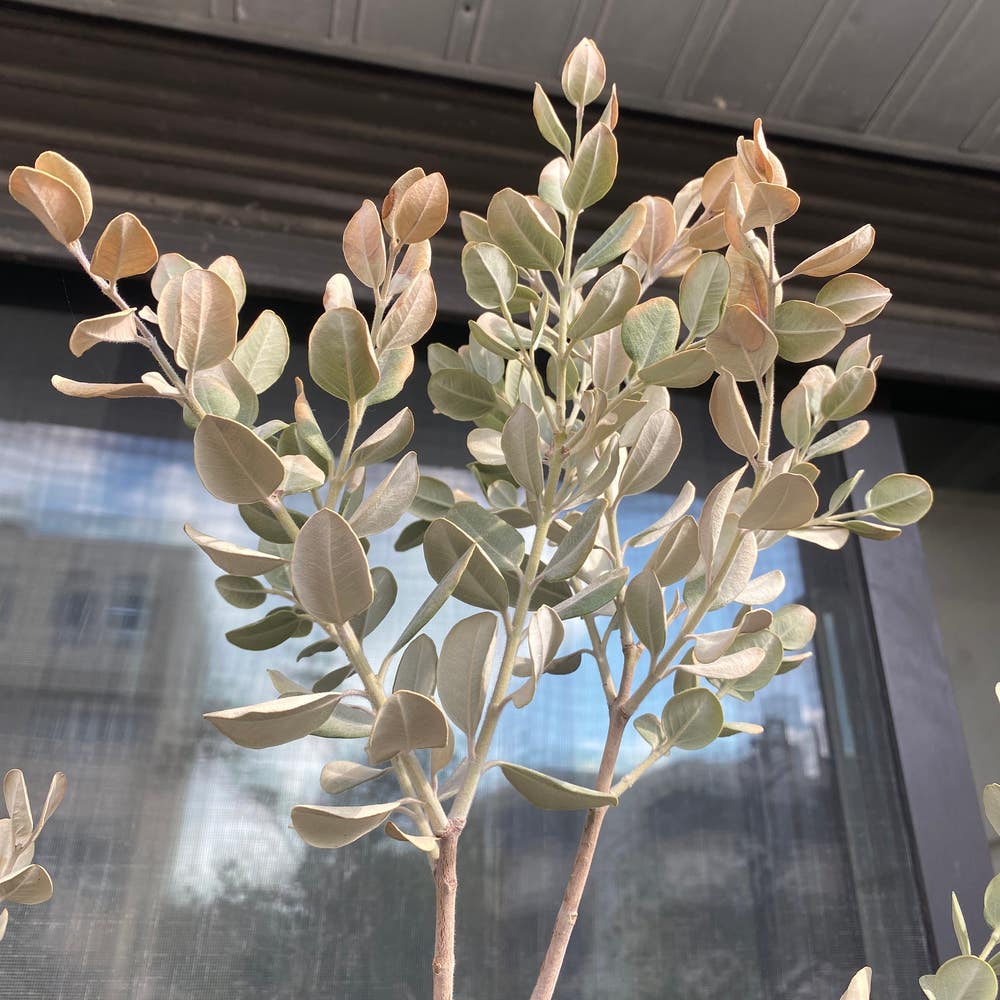
Best Humidity Levels for Rata 💧
Metrosideros tremuloides
By the Greg Editorial Team
Nov 22, 2024•6 min read
This article was created with the help of AI so we can cover more plants for you. May contain errors. See one? Report it here.
- 🌱 Ideal humidity for Rata is 60%-80% for optimal growth and flowering.
- 🌬️ Good airflow prevents mold and mildew in high humidity environments.
- 💧 Adjust watering based on humidity to avoid stress and promote healthy growth.
Ideal Humidity Range
Recommended levels 🌧️
For Rata plants, the optimal relative humidity falls between 60% and 80%. This range is crucial as it fosters lush foliage and vibrant flowering, making your plants thrive.
Different varieties of Rata have unique preferences. Northern Rata tends to enjoy slightly higher humidity levels compared to Southern Rata, which can adapt to a broader range. Understanding these nuances can significantly enhance your plant care strategy.
By maintaining the right humidity levels, you can ensure your Rata plants not only survive but flourish, showcasing their stunning beauty. This knowledge sets the foundation for effective humidity management, leading to healthier plants and a more vibrant garden.
As we explore the effects of humidity extremes, you'll see how critical it is to strike the right balance for your Rata's well-being.
Effects of Low and High Humidity
Low Humidity Stress 🌵
Low humidity can be a real challenge for Rata plants. Symptoms like leaf curling, browning edges, and stunted growth are common indicators that your plant is struggling.
Long-term exposure to low humidity can lead to increased susceptibility to pests and diseases. This means that if you notice these signs, it’s crucial to act quickly to restore a healthier environment.
High Humidity Challenges 🌧️
On the flip side, excessive humidity brings its own set of problems. Signs of high humidity include mold growth, root rot, and fungal infections, which can devastate your Rata.
To combat these issues, air circulation becomes essential in high humidity environments. Ensuring good airflow can help prevent mold and keep your plants thriving.
Understanding the effects of both low and high humidity is vital for maintaining healthy Rata plants. With the right strategies, you can create an optimal environment that supports their growth and resilience.
Local Humidity Considerations
Assessing Local Conditions 🌦️
Understanding your local humidity is crucial for nurturing healthy Rata plants. You can easily determine humidity levels using weather apps or local climate data, which provide real-time information.
Additionally, knowing seasonal humidity trends helps you anticipate changes. For instance, some areas experience dry seasons that can stress your plants, while others may have consistently humid conditions.
Adapting Care Based on Local Humidity 💧
Once you assess your local humidity, it's time to adapt your care routine. In low humidity environments, increase your watering frequency to keep Rata hydrated and thriving.
Conversely, during high humidity periods, reduce watering to prevent over-saturation. Tailoring your humidity management strategies ensures your Rata plants receive the best care possible, promoting their growth and vitality.
By staying attuned to local conditions, you can create an optimal environment for your Rata, setting the stage for lush foliage and vibrant blooms.
Strategies for Managing Humidity
Managing humidity is crucial for the health of your Rata plants. Here are effective strategies to either boost or reduce humidity levels.
🌧️ Boosting humidity
Humidifiers
Humidifiers are a fantastic way to increase moisture in the air. You can choose between cool mist and warm mist models, each with its benefits.
- Cool mist humidifiers are great for larger spaces and can help lower the temperature slightly.
- Warm mist humidifiers provide a cozy warmth, ideal for cooler environments.
For optimal performance, place your humidifier near your Rata plants but not too close to avoid waterlogging the soil. Regular maintenance, like cleaning the tank, ensures it runs efficiently and prevents mold growth.
Pebble trays
Creating a pebble tray is a simple yet effective method to boost humidity. You’ll need a shallow tray, pebbles, and water.
- Fill the tray with pebbles.
- Add water until it just touches the pebbles.
- Place your Rata pot on top.
This setup allows water to evaporate around the plant, increasing local humidity. It’s a low-cost solution that can make a noticeable difference.
Grouping plants
Clustering your Rata with other humidity-loving plants can create a microclimate. This arrangement traps moisture and raises humidity levels around the plants.
Consider grouping them in a corner or a shelf where they can share humidity. This not only benefits your Rata but also enhances the overall aesthetic of your space.
🌬️ Reducing humidity
Air circulation
Good airflow is essential to prevent mold and mildew in high humidity environments. Without it, your plants can suffer from diseases that thrive in stagnant air.
To improve air circulation, use fans or strategically space your plants. Ensure there’s enough room between pots to allow air to flow freely.
Dehumidifiers
If humidity levels are consistently high, a dehumidifier might be necessary. Signs that humidity is too high include mold growth and musty odors.
When using a dehumidifier, place it in the room where your Rata are located. Set it to maintain a humidity level between 60% and 80% for optimal plant health.
By implementing these strategies, you can effectively manage humidity levels for your Rata, ensuring they thrive in their environment. Next, let’s explore common humidity-related issues and how to address them.
Common Humidity-Related Issues
🌧️ Signs of Humidity Stress
Humidity levels can significantly impact your Rata's health. Watch for leaf discoloration, which may indicate stress from either low or high humidity.
Wilting is another common symptom. If your Rata's leaves appear droopy, it could be struggling with moisture levels.
Additionally, observe the growth patterns. Stunted growth can signal low humidity, while excessive growth with poor structure may suggest high humidity issues.
🔍 Differentiating Between Low and High Humidity Stress Symptoms
Understanding the symptoms of humidity stress is crucial for effective care. Low humidity typically manifests as curling leaves and brown edges, while high humidity often leads to mold or mildew on the leaves.
To differentiate, consider the overall environment. If your Rata is in a dry room, low humidity is likely the culprit. Conversely, if it’s in a damp area, high humidity could be the issue.
🛠️ Solutions for Humidity-Related Problems
When humidity levels are off, quick action can save your Rata. For low humidity, adjust your watering schedule immediately. Misting the leaves can also provide a quick boost of moisture.
For high humidity, focus on improving drainage. Ensure pots have proper drainage holes and consider repotting if necessary. Increasing airflow around your plants can also help mitigate excess moisture.
Implementing these strategies will not only address immediate concerns but also promote a healthier growing environment for your Rata. With the right adjustments, you can create a thriving space for your plants to flourish.
As you navigate humidity management, remember that understanding your local conditions is key. This knowledge will empower you to make informed decisions for your Rata's care.
⚠️ Safety First
This content is for general information and may contain errors, omissions, or outdated details. It is not medical, veterinary advice, or an endorsement of therapeutic claims.
Always consult a qualified healthcare professional before using any plant as food, medicine, or supplement.
Never eat any plant (or feed one to pets) without confirming its identity with at least two trusted sources.
If you suspect poisoning, call Poison Control (800) 222-1222, the Pet Poison Helpline (800) 213-6680, or your local emergency service immediately.
Spotted an error? Please report it here.
Keep your Rata plants thriving 🌱 by using Greg's tailored reminders to maintain the perfect humidity levels and adjust your care routine for optimal growth!