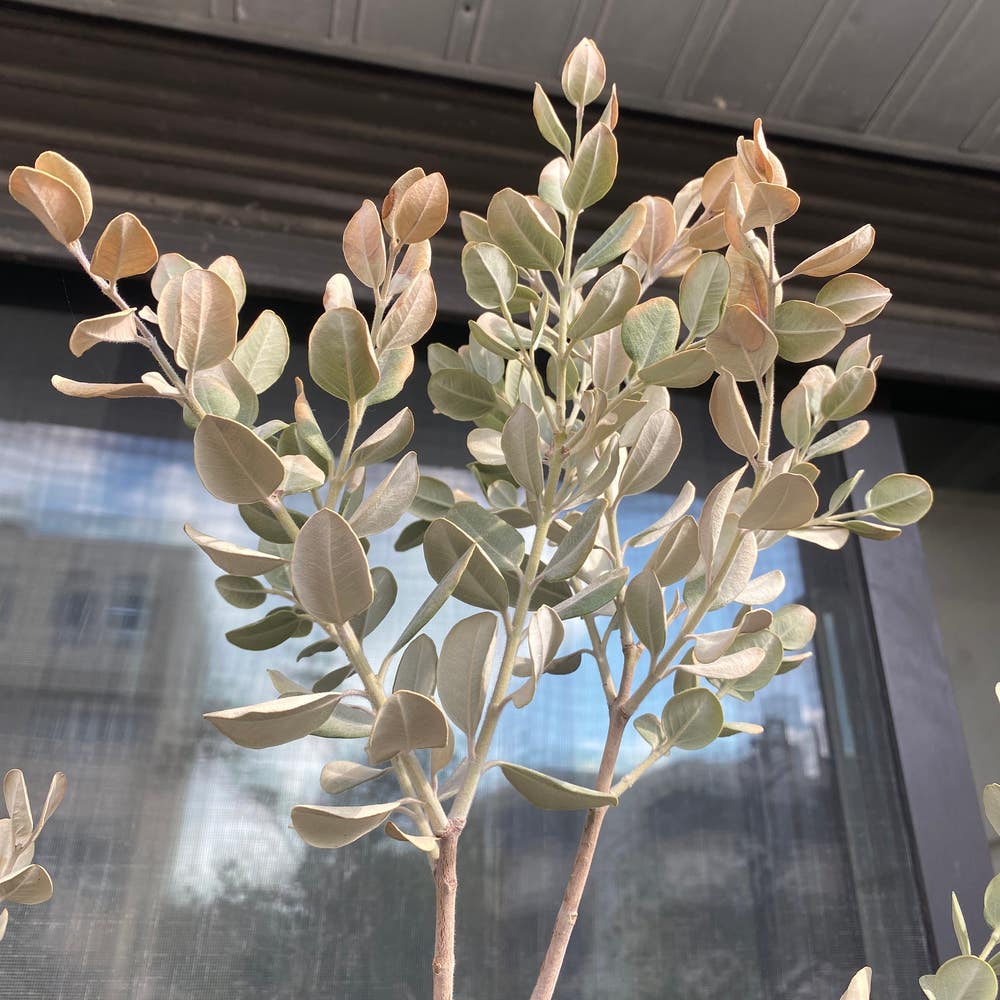
Best Size and Type of Pot for Rata 🪴
Metrosideros tremuloides
By the Greg Editorial Team
Nov 25, 2024•5 min read
This article was created with the help of AI so we can cover more plants for you. May contain errors. See one? Report it here.
- 🌱 Pot size matters: 4-6 inches for seedlings, 14-18 inches for mature Rata.
- 🏺 Choose pot material wisely: Clay for breathability, plastic for moisture retention.
- 🚫 Prevent root rot by ensuring proper drainage with at least 3-5 holes.
Pot Size for Rata
🌱 How Pot Size Affects Root Development
Rata plants have a shallow root system that thrives in pots allowing lateral growth. Providing adequate space is crucial to prevent root binding and to promote healthy root expansion.
📏 Ideal Pot Sizes for Growth Stages
Seedling Stage
For seedlings, a pot size of 4-6 inches in diameter is recommended. Starting small encourages root establishment, setting the foundation for future growth.
🌿 Young Plant Stage
As Rata transitions to the young plant stage, an 8-12 inch diameter pot is ideal. This size allows for moderate growth and sufficient root expansion.
🌳 Mature Plant Stage
When Rata reaches maturity, a pot size of 14-18 inches in diameter is necessary. This ensures ample space for a well-developed root system, supporting the plant's overall health.
🪴 Container Size Considerations
It's essential to gradually increase the container size as Rata grows. Oversized pots can retain excess moisture, leading to root rot, which can be detrimental to your plant's health.
By understanding the right pot sizes for each growth stage, you can create an optimal environment for your Rata to flourish. Next, let’s explore the various pot materials that can further enhance your plant's growth.
Pot Materials
🌱 Comparison of Clay vs. Plastic Pots
When choosing pots for your Rata, the material plays a crucial role.
Clay Pots
Clay pots are known for their excellent breathability and moisture regulation. However, they come with a few drawbacks: they are heavier and can dry out quickly in hot conditions, which might not be ideal for all environments.
Plastic Pots
On the other hand, plastic pots are lightweight and retain moisture longer. They are available in various sizes, making them versatile for different growth stages. Yet, they are less breathable, which can lead to root rot if drainage isn't managed properly.
🌍 Benefits of Biodegradable Pots
Biodegradable pots offer an eco-friendly alternative that breaks down over time, enriching the soil as they decompose.
These pots are particularly suitable for seedlings and young plants, as they promote healthy root development while being gentle on the environment.
💧 Impact of Material on Moisture Retention
Different pot materials significantly affect water retention and evaporation rates.
Clay pots allow for quicker evaporation, which can be beneficial in humid conditions, while plastic pots retain moisture longer, making them suitable for drier environments.
Selecting the right material is essential to align with Rata's need for well-draining conditions, ensuring your plant thrives without the risk of overwatering.
Understanding these nuances will help you make informed choices that support the health and growth of your Rata.
Next, we’ll explore the critical aspect of drainage considerations to further enhance your plant care strategy.
Drainage Considerations
Importance of Drainage Holes 🌱
Drainage holes are crucial for keeping Rata healthy. They prevent water from accumulating at the bottom of the pot, which can lead to root rot.
For optimal drainage, aim for at least 3-5 drainage holes. This ensures excess water can escape, allowing the roots to breathe and thrive.
Ensuring Proper Drainage 🚰
To enhance drainage, consider using a potting mix that includes perlite or sand. These materials improve aeration and help prevent waterlogged soil.
Additionally, elevating pots slightly off the ground can facilitate airflow. This simple step can make a significant difference in maintaining healthy roots.
Signs of Poor Drainage ⚠️
Watch for yellowing leaves and wilting, even when you’ve watered adequately. These are often signs that your Rata is struggling with poor drainage.
Root rot is another serious concern. Symptoms include mushy roots and a foul odor, indicating that immediate action is needed to save your plant.
By ensuring proper drainage, you set the stage for a thriving Rata. Next, let’s explore when and how to repot your plant for continued growth.
Repotting Rata
🌱 When to Repot
Repotting Rata is essential for its health and growth. Look for signs like roots growing out of drainage holes or stunted growth despite proper care; these indicate it's time for a new pot.
🪴 Choosing the Right Pot
When selecting a new pot, aim for one that is 2-4 inches larger in diameter than the current pot. Ensure it has adequate drainage holes to prevent water accumulation, which can lead to root rot.
🔧 Step-by-Step Guide to Repotting
- Prepare the new pot: Fill it with fresh potting mix to provide a nutrient-rich environment.
- Remove Rata gently: Carefully take Rata out of its current pot, being cautious not to damage the roots.
- Inspect the roots: Check for any signs of rot and trim away any unhealthy sections.
- Position Rata in the new pot: Place it so the root crown is level with the soil surface, ensuring stability.
- Fill and water: Add potting mix around the roots and water thoroughly to help settle the soil.
Repotting can seem daunting, but it’s a rewarding process that allows Rata to thrive. With the right pot and care, you’ll set the stage for vibrant growth and blooming potential. Now, let’s explore how the choice of pot impacts Rata’s overall health and growth rate.
Impact of Pot Choice on Growth
How Pot Choice Influences Overall Health 🌱
Choosing the right pot for your Rata is crucial for its overall health. The size and material of the pot directly affect how well Rata can thrive, as they must accommodate its unique growth habits.
Effects on Growth Rate 🚀
Different pot sizes and materials can significantly impact growth rates. A well-chosen pot not only supports healthy root development but also enhances flowering potential, leading to a more vibrant plant.
Common Issues Related to Poor Selection ⚠️
Selecting the wrong pot can lead to root binding, which hampers nutrient uptake. Additionally, inadequate pot conditions can stress the plant, making it more susceptible to pests and diseases.
In summary, the right pot choice is essential for nurturing a healthy Rata. By understanding the relationship between pot size, material, and plant health, you can ensure your Rata flourishes beautifully. Next, let’s explore the critical considerations for repotting your Rata effectively.
⚠️ Safety First
This content is for general information and may contain errors, omissions, or outdated details. It is not medical, veterinary advice, or an endorsement of therapeutic claims.
Always consult a qualified healthcare professional before using any plant as food, medicine, or supplement.
Never eat any plant (or feed one to pets) without confirming its identity with at least two trusted sources.
If you suspect poisoning, call Poison Control (800) 222-1222, the Pet Poison Helpline (800) 213-6680, or your local emergency service immediately.
Spotted an error? Please report it here.
Ensure your Rata flourishes with the perfect pot choice 🌿 by using Greg's tailored care reminders to support its growth every step of the way!