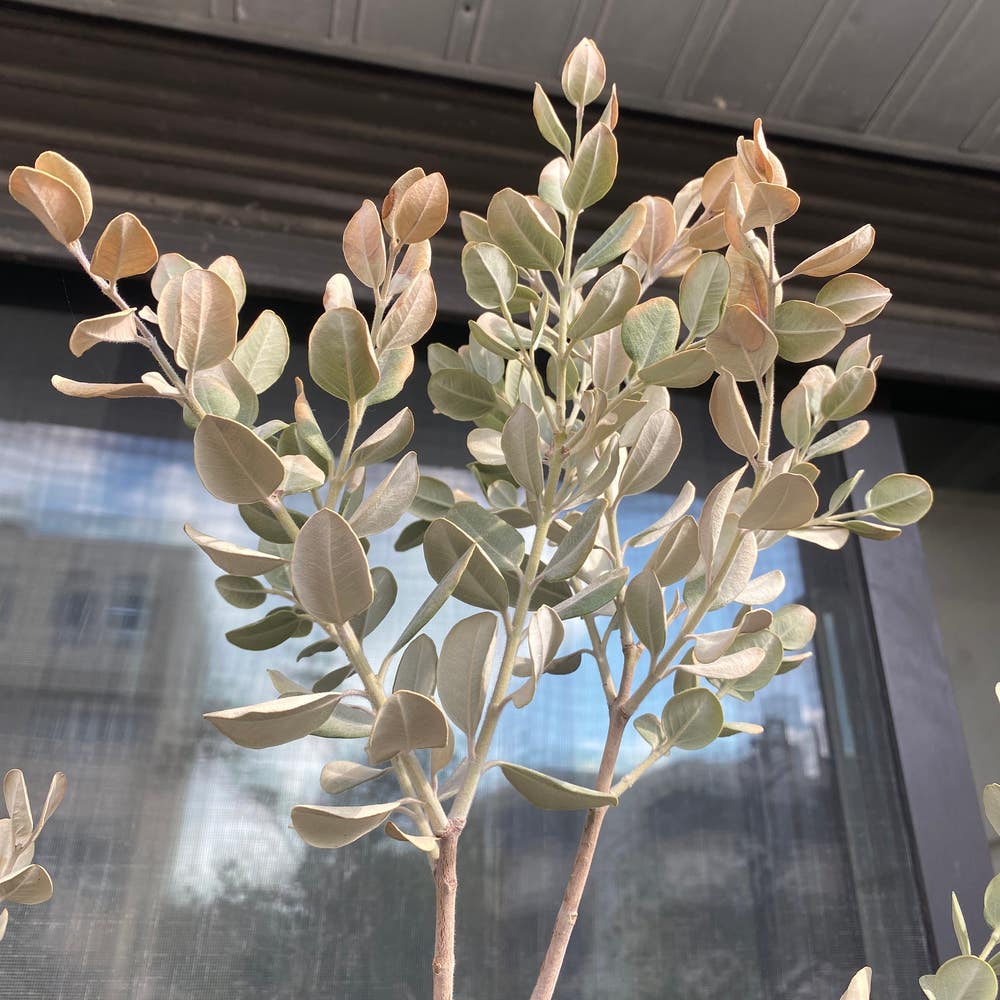
🌳 5 Factors Influencing Rata Size
Metrosideros tremuloides
By the Greg Editorial Team
Nov 22, 2024•5 min read
This article was created with the help of AI so we can cover more plants for you. May contain errors. See one? Report it here.
- 🌳 Rata trees can reach 30 meters tall; growth depends on conditions and species.
- 💧 Consistent watering and well-draining soil are crucial for optimal Rata size.
- 🌞 Full sun to partial shade is essential; inadequate light stunts growth.
Factors Influencing Rata Size
🌳 Mature Height and Spread
Rata trees can reach impressive heights, typically growing up to 30 meters (98 feet). Their average spread can be quite expansive as well, often reaching widths of 10-15 meters (33-49 feet), but this can vary significantly based on specific growing conditions.
📈 Growth Rate
Under optimal conditions, Rata trees exhibit an average growth rate of 1-2 meters (3-6 feet) per year. Several factors influence this growth rate, including soil quality, nutrient availability, watering practices, and sunlight exposure.
⏳ Time to Reach Full Size
It generally takes Rata trees about 10-20 years to reach their mature dimensions. However, various factors can either accelerate or delay this growth, such as environmental conditions like soil, water, and light, as well as genetic factors and species variability.
🌿 Size Variability Among Species
Different species of Rata exhibit notable size characteristics. For instance, Metrosideros robusta can grow significantly larger than the dwarf variety, Metrosideros excelsa 'Dwarf', highlighting how local conditions can influence size differences among species.
Understanding these factors is crucial for anyone looking to cultivate Rata trees successfully. Next, we will explore how environmental influences, such as soil conditions and climate, further impact the size of these magnificent trees.
Environmental Influences on Size
🌱 Soil Conditions Affecting Growth
Rata trees thrive in well-draining, fertile soils that provide the nutrients they need. The ideal soil pH for optimal growth falls between 5.5 and 7.0; outside this range, nutrient deficiencies can stunt their size and overall health.
☀️ Light Requirements and Their Impact on Size
These trees require full sun to partial shade to flourish. Adequate light exposure directly correlates with growth rate, while shading from nearby plants can hinder their development and size.
💧 Watering Practices and Size Correlation
Consistent watering is crucial for Rata trees to achieve their full potential. Both overwatering and underwatering can adversely affect their size, so it's essential to establish a watering schedule tailored to your local climate.
🌦️ Climate Effects on Dimensions
Regional climate plays a significant role in the growth potential of Rata trees. For instance, Rata in temperate climates may differ in size compared to those in tropical regions, influenced by seasonal growth patterns that affect overall dimensions.
Understanding these environmental influences can help you cultivate healthier Rata trees, ensuring they reach their impressive size. Next, we’ll explore the various Rata varieties and their unique characteristics.
Varieties of Rata
🌱 Dwarf Varieties and Their Characteristics
Dwarf Rata varieties, particularly Metrosideros excelsa 'Dwarf', are a fantastic choice for those looking to add a touch of greenery without overwhelming their space. Typically reaching heights of just 1-2 meters (3-6 feet), these compact trees are perfect for small gardens or as ornamental features in landscaping.
Their manageable size makes them ideal for urban settings, where space is often limited. You can use them as focal points in flower beds or as low hedges, providing both beauty and functionality.
🌳 Giant Varieties and Their Growth Potential
On the other end of the spectrum, giant Rata varieties like Metrosideros robusta can reach impressive heights and offer a striking presence in larger landscapes. These majestic trees can grow significantly taller, making them suitable for parks, large gardens, and natural reserves.
When considering planting giant Rata varieties in urban areas, it's essential to account for their size and growth potential. Proper planning ensures they thrive without causing issues for nearby structures or utilities.
Size Control Techniques
Pruning Methods to Manage Size 🌿
Managing the size of your Rata can be achieved effectively through pruning. The best time to prune is in late winter or early spring, allowing the plant to recover and thrive as it enters the growing season.
When pruning, consider techniques like thinning, heading back, and shaping. Thinning removes excess branches to improve air circulation, while heading back encourages bushier growth. Shaping helps maintain a desired aesthetic, ensuring your Rata fits well within its landscape.
Regular pruning offers numerous benefits, including maintaining a manageable size and promoting healthier growth. It also enhances the overall appearance of the plant, making it a vital practice for any Rata enthusiast.
Other Techniques for Controlling Growth 🌱
In addition to pruning, various techniques can help control Rata size. One effective method is the use of growth regulators, which can influence growth patterns and size. These products can be particularly useful for managing larger varieties.
Planting strategies also play a crucial role in size control. Consider spacing your Rata appropriately and using companion planting to limit growth. This approach not only helps manage size but also promotes a healthier garden ecosystem.
Monitoring growth is essential for successful size management. Regularly assess your Rata's health and adjust care practices as needed. This proactive approach ensures your plant remains vibrant and well-sized, contributing to a beautiful landscape.
As you explore these size control techniques, you'll find that a little attention goes a long way in maintaining the perfect Rata for your space. Next, we'll delve into the fascinating varieties of Rata and their unique characteristics.
⚠️ Safety First
This content is for general information and may contain errors, omissions, or outdated details. It is not medical, veterinary advice, or an endorsement of therapeutic claims.
Always consult a qualified healthcare professional before using any plant as food, medicine, or supplement.
Never eat any plant (or feed one to pets) without confirming its identity with at least two trusted sources.
If you suspect poisoning, call Poison Control (800) 222-1222, the Pet Poison Helpline (800) 213-6680, or your local emergency service immediately.
Spotted an error? Please report it here.
Cultivating thriving Rata trees 🌳 is easier with Greg's tailored watering reminders and growth tips, ensuring your trees reach their full potential based on their unique needs!