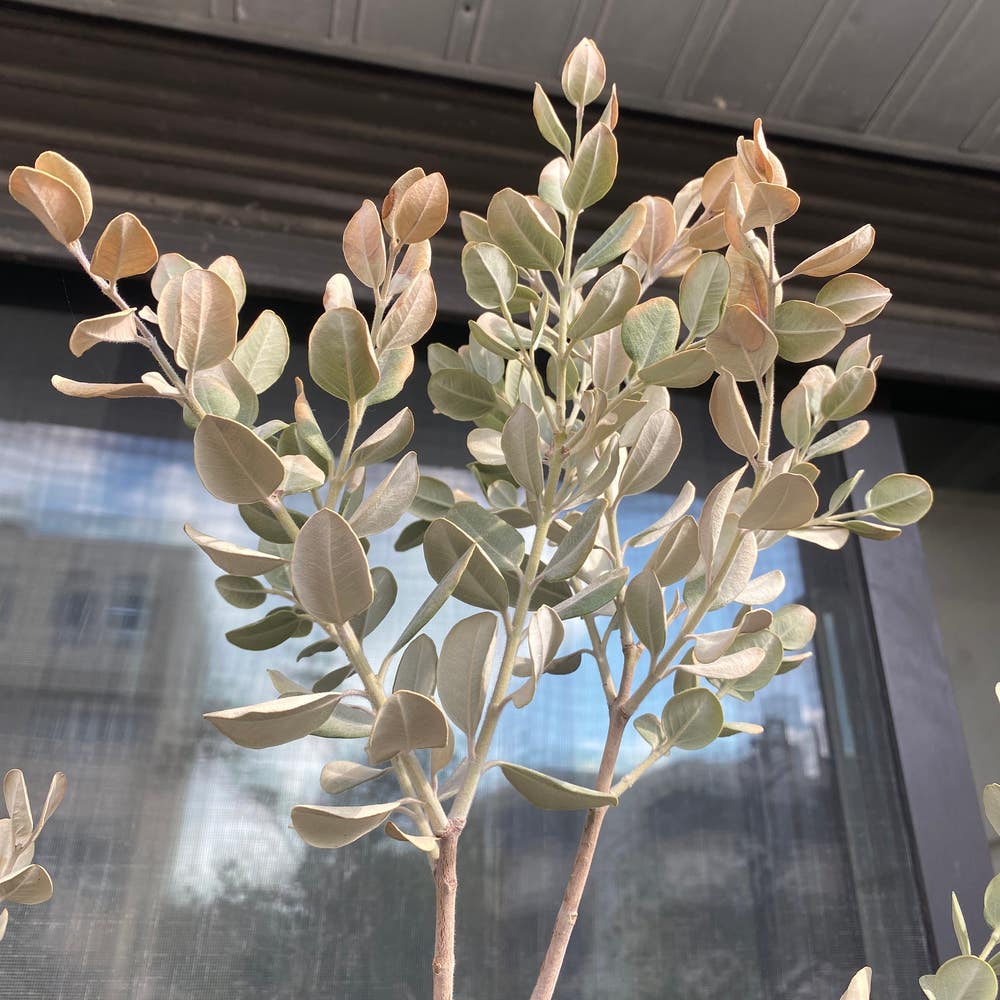
🍃 Managing Leaf Drop on Your Rata
Metrosideros tremuloides
By the Greg Editorial Team
Nov 22, 2024•5 min read
This article was created with the help of AI so we can cover more plants for you. May contain errors. See one? Report it here.
- 🌱 Recognize symptoms like yellowing leaves to maintain Rata health effectively.
- 💧 Establish a consistent watering schedule to prevent leaf drop and promote growth.
- 🌞 Ensure well-draining, acidic soil for optimal Rata thriving and resilience.
Diagnosing Leaf Drop Issues
🌿 Identifying Symptoms of Leaf Drop
Recognizing the symptoms of leaf drop is crucial for maintaining the health of your Rata.
Visual Signs of Leaf Drop
Yellowing Leaves: This often indicates nutrient deficiencies or poor soil conditions. If your Rata's leaves are turning yellow, it may be time to assess its nutrient intake and soil quality.
Leaf Curling and Wilting: These symptoms are clear indicators of stress. Curling leaves can suggest environmental issues, such as inadequate watering or extreme temperatures.
🔍 Differentiating Between Natural and Stress-Induced Leaf Drop
Understanding the difference between natural and stress-induced leaf drop is essential for proper care.
Natural Leaf Drop Cycles
Seasonal Leaf Drop: Many plants, including Rata, naturally shed leaves during certain seasons. This process helps them conserve energy and resources.
Stress-Related Drop: Unlike the natural cycle, stress-induced leaf drop occurs due to environmental factors. Recognizing this can help you take timely action.
Stress Indicators
Identifying signs of environmental stress can prevent further damage to your Rata.
- How to Recognize and Respond: Look for changes in leaf color, texture, and overall plant vigor. If you notice these signs, consider adjusting your care routine to alleviate stress.
🌱 Assessing Soil and Watering Conditions
Soil and watering practices play a pivotal role in your Rata's health.
Soil Composition Analysis
Importance of Well-Draining, Acidic Soils: Rata thrives in specific soil conditions. Ensuring your soil is well-draining and acidic can significantly improve plant health.
Testing Soil pH and Nutrient Levels: Regular soil testing helps you understand its composition. This knowledge allows you to amend the soil as needed for optimal growth.
Watering Practices
Evaluating your watering techniques is vital for preventing leaf drop.
Evaluating Watering Frequency and Techniques: Establish a consistent watering schedule that meets your Rata's needs. Deep watering is often more effective than surface watering, promoting healthy root development.
Signs of Overwatering vs. Underwatering: Watch for symptoms like soggy soil or dry, brittle leaves. These indicators can guide you in adjusting your watering practices.
By diagnosing leaf drop issues effectively, you can take proactive steps to ensure your Rata remains healthy and vibrant. Next, we will explore best practices for preventing leaf drop, focusing on optimal watering and soil conditions.
Preventing Leaf Drop
💧 Best Practices for Rata Watering
Watering Schedule
To keep your Rata thriving, establish a consistent watering schedule. Generally, watering once a week is ideal, but this can vary based on your climate and the plant's specific needs.
Techniques
When watering, consider using deep watering techniques. This method encourages roots to grow deeper, enhancing the plant's resilience against drought.
🌱 Soil Composition and Drainage for Rata
Ideal Soil Mix
Rata thrives in well-draining, acidic soil. Aim for a mix that includes components like peat moss, pine bark, and perlite to ensure proper drainage and acidity.
Importance of Organic Matter
Incorporating organic matter is crucial for moisture retention. This not only helps maintain consistent soil moisture but also enriches the soil with essential nutrients.
☀️ Optimal Light Conditions for Rata
Light Requirements
Rata plants prefer full sun but can tolerate partial shade. Finding the right balance is key; too much shade can hinder growth, while too much sun can scorch the leaves.
Adjusting Placement
Be prepared to adjust your Rata's placement based on light availability throughout the seasons. Regularly assess how much sunlight your plant receives to ensure it remains healthy and vibrant.
By following these best practices, you can significantly reduce the risk of leaf drop in your Rata. Next, let's explore effective treatment options for any leaf drop problems that may arise.
Treating Leaf Drop Problems
🦠 Treatment Options for Diseases Causing Leaf Drop
Fungal infections can wreak havoc on your Rata, leading to unsightly leaf drop. To combat this, consider using recommended fungicides that target specific fungal pathogens.
When applying fungicides, follow the manufacturer's instructions closely for optimal results. If you prefer a more natural approach, organic alternatives like neem oil or baking soda solutions can effectively manage fungal issues without harsh chemicals.
🐞 Pest Control Methods for Rata
Pests can also contribute to leaf drop, making integrated pest management essential. Start by encouraging natural predators, such as ladybugs and lacewings, which can help keep pest populations in check.
If pest issues persist, chemical treatments may be necessary. Use pesticides judiciously, applying them during the early morning or late evening to minimize harm to beneficial insects.
🌱 Adjusting Care Routines to Improve Leaf Health
Tailoring your care routine can significantly enhance your Rata's leaf health. Adjust your watering and feeding schedules based on seasonal changes to meet your plant's specific needs.
Monitoring environmental conditions is equally important. Utilize tools like hygrometers and thermometers to track humidity and temperature, ensuring your Rata thrives in its environment.
By addressing diseases, pests, and care routines, you can effectively treat leaf drop problems and promote a healthier Rata. Next, let’s explore how to monitor and maintain your plant for long-term success.
Monitoring and Maintenance
🌿 Regular Checks for Leaf Health
Establishing a routine for inspecting your Rata's leaves is crucial for early detection of issues. Aim for weekly checks to catch any signs of distress or improvement.
During these inspections, look for yellowing leaves, wilting, or any unusual spots. These symptoms can indicate underlying problems that need immediate attention.
🔍 Signs of Recovery After Treatment
After addressing leaf drop issues, monitoring recovery is essential. New growth is a positive sign, indicating that your Rata is bouncing back.
Additionally, watch for changes in leaf color. Healthy leaves transition from yellowing to a vibrant green, signaling improved health and vitality.
📅 Long-Term Care Strategies to Prevent Future Leaf Drop
To keep your Rata thriving, establish a maintenance schedule that includes seasonal tasks. Regularly assess soil conditions, watering practices, and light exposure throughout the year.
Incorporate seasonal checklists to ensure you’re meeting your Rata’s needs. This proactive approach will help prevent future leaf drop and promote long-term health.
By staying vigilant and responsive, you can enjoy a flourishing Rata that adds beauty to your space.
⚠️ Safety First
This content is for general information and may contain errors, omissions, or outdated details. It is not medical, veterinary advice, or an endorsement of therapeutic claims.
Always consult a qualified healthcare professional before using any plant as food, medicine, or supplement.
Never eat any plant (or feed one to pets) without confirming its identity with at least two trusted sources.
If you suspect poisoning, call Poison Control (800) 222-1222, the Pet Poison Helpline (800) 213-6680, or your local emergency service immediately.
Spotted an error? Please report it here.
Keep your Rata thriving 🌱 by using Greg's personalized watering schedules and soil testing reminders to prevent leaf drop and promote vibrant growth all year round!