Fertilizing Your Rata to Double Its Growth 🌱
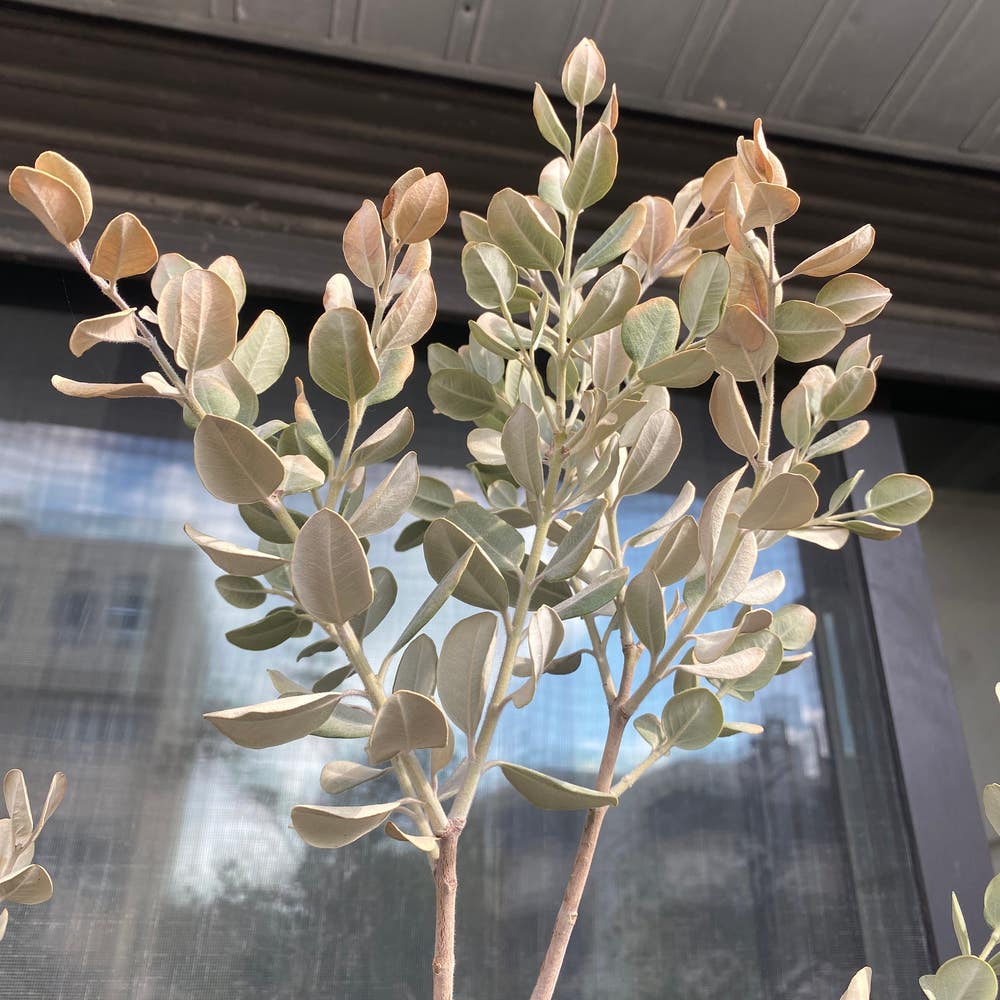
Metrosideros tremuloides
By the Greg Editorial Team
Nov 22, 2024•5 min read
This article was created with the help of AI so we can cover more plants for you. May contain errors. See one? Report it here.
- 🌱 Fertilize in early spring for optimal growth and nutrient boost.
- 🌸 Use bloom-boosting fertilizers in summer for vibrant flowers and healthy plants.
- 📊 Soil testing helps tailor fertilization to your Rata's specific nutrient needs.
Timing and Frequency of Fertilization
Best Time to Fertilize 🌱
Timing is crucial when it comes to fertilizing your Rata. Early spring marks the beginning of the growth phase, making it the perfect time to give your plant a nutrient boost.
Late summer is another key period, as it prepares your Rata for blooming. This timing ensures that your plant has the necessary nutrients to thrive during its flowering stage.
Seasonal Fertilization Schedule 📅
To maximize growth, follow a seasonal fertilization schedule:
- Spring: Apply a balanced fertilizer with an NPK ratio of 10-10-10. This provides essential nutrients to kickstart growth.
- Summer: Switch to a bloom-boosting fertilizer that has higher phosphorus content. This supports vibrant blooms and overall plant health.
- Fall: Reduce fertilization to allow your Rata to prepare for dormancy. This helps the plant conserve energy and nutrients for the colder months.
Adjusting Fertilization Based on Growth Stages 🔄
Different growth stages require different nutrient focuses. For young plants, higher nitrogen levels promote robust vegetative growth.
As your Rata matures, a balanced nutrient approach is essential for sustained health. During the blooming phase, increase phosphorus to encourage flower development, ensuring your plant showcases its best blooms.
By understanding the timing and frequency of fertilization, you set your Rata up for success. This knowledge allows you to adapt your approach based on the plant's specific needs, leading to a flourishing garden.
Next, we’ll explore effective fertilizer application techniques to ensure those nutrients reach your Rata efficiently.
Fertilizer Application Techniques
Step-by-Step Guide to Applying Fertilizer 🌱
Applying fertilizer correctly is crucial for your Rata's growth. Follow these steps to ensure your plant thrives.
- Choose the right fertilizer type: Decide between organic and synthetic options based on your gardening philosophy and plant needs.
- Measure the appropriate amount: Use the plant's size as a guide to determine how much fertilizer to apply.
- Water the Rata before application: This helps prevent root burn, ensuring your plant is hydrated and ready to absorb nutrients.
- Apply fertilizer evenly around the root zone: Distribute the fertilizer to cover the area where roots are most active.
- Water again after application: This step aids in nutrient absorption, helping your Rata make the most of the fertilizer.
Liquid vs. Granular Fertilizers 💧
Understanding the differences between liquid and granular fertilizers can enhance your fertilization strategy.
- Liquid fertilizers: These offer quick absorption, making them ideal for addressing immediate nutrient needs.
- Granular fertilizers: They provide a slow release of nutrients, which is perfect for long-term feeding and steady growth.
How to Avoid Root Burn 🔥
Preventing root burn is essential for maintaining a healthy Rata. Here are some tips to keep in mind.
- Proper dilution for liquid fertilizers: Always dilute liquid fertilizers according to the package instructions to avoid damaging the roots.
- Spacing out granular applications: Apply granular fertilizers at intervals to prevent nutrient buildup in the soil.
- Monitor soil moisture levels: Check moisture before and after fertilization to ensure your plant is neither too dry nor overly saturated.
By following these techniques, you can effectively nourish your Rata and set it up for robust growth. Next, let’s explore common fertilization mistakes to avoid for optimal plant health.
Common Fertilization Mistakes
🌱 Over-Fertilizing: Causes and Effects
Over-fertilizing can be detrimental to your Rata. Symptoms include leaf burn and stunted growth, which can be alarming for any gardener.
Long-term effects of excessive fertilization lead to soil nutrient imbalances and reduced plant health. It's crucial to find the right balance to keep your Rata thriving.
⚖️ Under-Fertilizing: Signs and Solutions
On the flip side, under-fertilizing can also pose problems. Signs of nutrient deficiency include yellowing leaves and poor growth, indicating your plant isn't getting what it needs.
To remedy this, adjust your feeding schedule and consider the type of fertilizer you're using. A little tweak can make a significant difference.
🔍 Misunderstanding Specific Nutrient Needs
Understanding your Rata's specific nutrient needs is essential. Soil testing can help determine nutrient levels, ensuring you provide the right mix.
Tailoring your fertilization approach based on the growth form of your Rata will lead to healthier plants. Each stage of growth has unique requirements, so stay attentive to your plant's signals.
Recognizing these common fertilization mistakes will empower you to make informed decisions. With the right knowledge, you can nurture your Rata to its fullest potential.
Next, we’ll explore how to monitor your plant's response to fertilization effectively.
Monitoring Response to Fertilization
🌱 How to Assess Growth Post-Fertilization
After fertilizing your Rata, it's crucial to monitor its growth closely. Look for changes in height, leaf color, and blooming patterns to gauge the effectiveness of your fertilization efforts.
Timing is key for assessment; check back in 2-4 weeks after application. This window allows the plant to respond and show visible signs of growth or improvement.
🔄 Adjusting Fertilization Based on Plant Health
As you observe your Rata, note any signs of improvement. Increased leaf size and vibrant color indicate that your fertilization strategy is working well.
Conversely, if you notice wilting, leaf drop, or discoloration, it may signal that adjustments are needed. These signs can help you fine-tune your fertilization approach for optimal plant health.
⚠️ Recognizing Nutrient Deficiencies
Understanding common nutrient deficiencies can enhance your fertilization strategy. For instance, yellowing leaves often indicate a nitrogen deficiency, while poor flowering may suggest a lack of phosphorus.
To address these issues, consider targeted fertilization that focuses on the specific nutrients your Rata needs. This tailored approach can lead to healthier growth and more vibrant blooms.
By keeping a close eye on your plant's response to fertilization, you can ensure it thrives and flourishes. Next, let's explore common fertilization mistakes that can hinder your Rata's growth.
⚠️ Safety First
This content is for general information and may contain errors, omissions, or outdated details. It is not medical, veterinary advice, or an endorsement of therapeutic claims.
Always consult a qualified healthcare professional before using any plant as food, medicine, or supplement.
Never eat any plant (or feed one to pets) without confirming its identity with at least two trusted sources.
If you suspect poisoning, call Poison Control (800) 222-1222, the Pet Poison Helpline (800) 213-6680, or your local emergency service immediately.
Spotted an error? Please report it here.
Unlock your Rata's full potential with a tailored fertilization plan, and let Greg's personalized reminders help you nurture vibrant blooms 🌼!