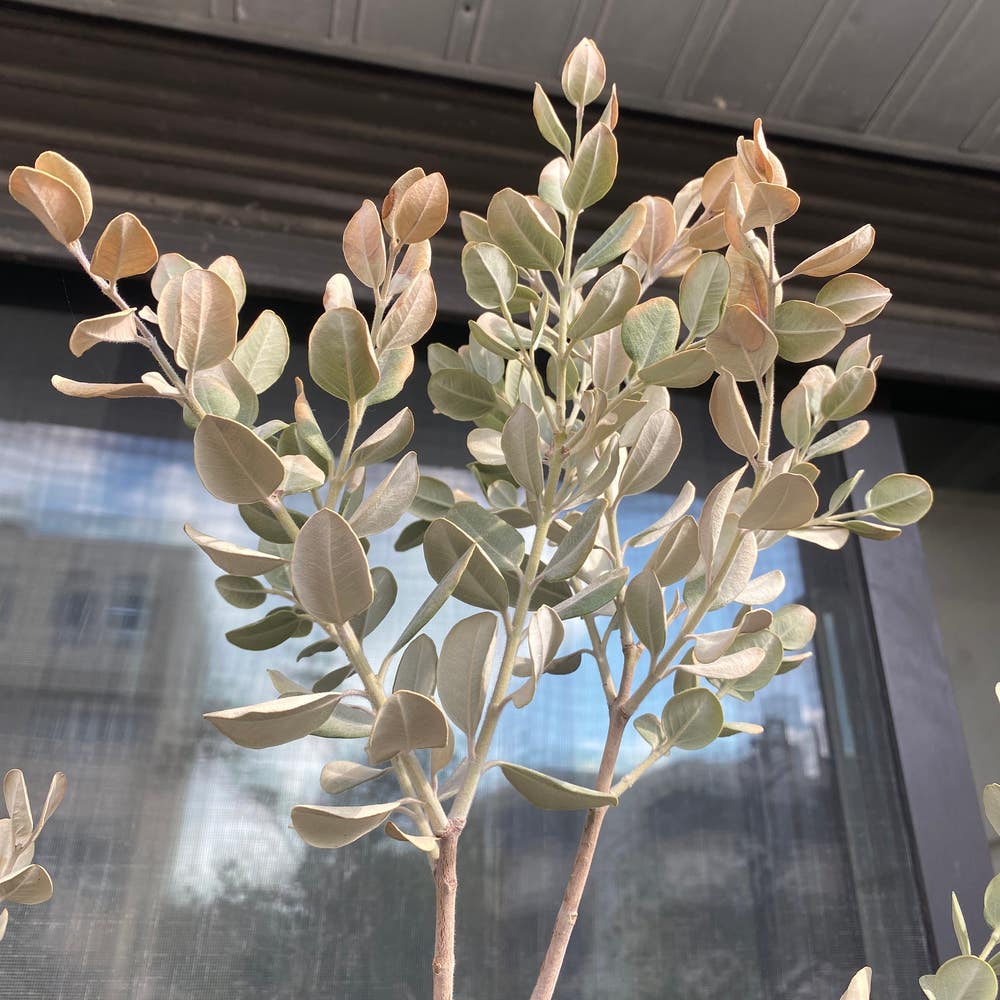
🌳 Best Soil for Rata
Metrosideros tremuloides
By the Greg Editorial Team
Nov 22, 2024•4 min read
This article was created with the help of AI so we can cover more plants for you. May contain errors. See one? Report it here.
- 🌱 Rata thrives in well-drained, nutrient-rich soil for optimal growth and health.
- 🧪 Ideal soil pH for Rata is 5.5 to 7.0; test regularly for best results.
- 🏡 Create a balanced soil mix with potting soil, perlite, and organic matter for success.
Ideal Soil Composition
Ingredients for an Ideal Soil Mix 🌱
To ensure your Rata thrives, it’s crucial to start with well-drained, nutrient-rich soil. The right mix can make all the difference in promoting healthy growth.
Key components of an ideal soil mix include:
- 40% high-quality potting soil: This forms the foundation, providing essential nutrients.
- 30% perlite or coarse sand: These materials enhance drainage, preventing waterlogging.
- 30% organic matter: Incorporate compost or well-rotted leaf mold to boost soil health.
Importance of Organic Matter 🌿
Organic matter is a game-changer for your Rata's soil. It not only enhances nutrient retention but also improves soil structure and aeration.
When you add organic matter, you create a thriving environment for roots to grow. This leads to healthier plants that can better absorb water and nutrients.
By focusing on these ingredients, you set the stage for a flourishing Rata. Next, let’s explore the ideal pH levels for your soil mix to ensure optimal growth.
Soil pH Levels
Recommended pH Levels 🌱
For Rata, the ideal soil pH range is between 5.5 and 7.0, which is slightly acidic to neutral. This pH range is crucial as it directly impacts nutrient availability and root health.
Importance of pH for Rata 📊
Maintaining the right pH level ensures that Rata can absorb essential nutrients effectively. Regular testing is recommended, and using a pH meter or soil test kit can help you keep track of your soil's condition.
Adjusting Soil pH ⚖️
If you find your soil's pH is outside the ideal range, adjustments can be made easily. To lower the pH, incorporate sulfur or peat moss into the soil mix.
Conversely, if you need to raise the pH, adding lime or wood ash will do the trick. These amendments help create a balanced environment for your Rata to thrive.
Conclusion 📝
Understanding and managing soil pH is vital for the health of your Rata. With the right adjustments, you can ensure your plant has the best chance to flourish, setting the stage for the next topic on identifying and resolving soil issues.
Identifying and Resolving Soil Issues
Signs of Unhealthy Soil 🌱
Recognizing unhealthy soil is crucial for maintaining the vitality of your Rata. Common indicators include a foul odor, which suggests anaerobic conditions, stunted growth, or yellowing leaves that signal nutrient deficiencies.
Another red flag is the presence of mold or fungus on the soil surface. These signs indicate that your plant may be struggling and requires immediate attention.
Solutions for Moldy Soil 🧼
If you notice moldy soil, take immediate action. Start by removing the affected top layer of soil to eliminate the mold spores.
Next, allow the soil to dry out before re-watering. This helps prevent further mold growth and encourages a healthier environment for your Rata.
For long-term prevention, focus on improving air circulation around the plant. If necessary, consider using a fungicide to tackle persistent mold issues.
How to Improve Soil Drainage 🚰
Proper drainage is essential for Rata health. To enhance drainage, mix in additional perlite or coarse sand to your existing soil.
If drainage issues persist, repot your Rata using a well-draining potting mix. For outdoor planting, consider using raised beds or mounds to promote better water flow.
By addressing these soil issues promptly, you can ensure your Rata thrives in a healthy environment. Next, let's explore how to create a homemade soil mix tailored specifically for your plant's needs.
Creating a Homemade Soil Mix
Step-by-Step Guide to Mixing Soil for Rata 🌱
Creating the perfect soil mix for your Rata is straightforward and rewarding. Start by gathering all your ingredients in a large container.
Next, combine equal parts of high-quality potting soil, perlite, and organic matter. This balanced mix ensures your Rata has the right drainage and nutrient levels.
Once mixed, test the pH of your soil blend. If adjustments are needed, make them carefully to maintain optimal conditions for your plant.
Tips for Adjusting Soil pH ⚖️
Regularly testing your soil pH is crucial for Rata health. Use a soil test kit to keep track of your soil's acidity or alkalinity.
When adjusting pH, incorporate amendments gradually. This approach helps avoid over-adjusting, which can stress your plant.
Finally, keep an eye on your Rata’s growth. Monitoring its response to pH changes will guide you in fine-tuning your soil mix for the best results.
With the right soil mix and pH balance, your Rata will thrive, setting the stage for vibrant growth and stunning blooms. Now, let’s explore how to identify and resolve any soil issues that may arise.
⚠️ Safety First
This content is for general information and may contain errors, omissions, or outdated details. It is not medical, veterinary advice, or an endorsement of therapeutic claims.
Always consult a qualified healthcare professional before using any plant as food, medicine, or supplement.
Never eat any plant (or feed one to pets) without confirming its identity with at least two trusted sources.
If you suspect poisoning, call Poison Control (800) 222-1222, the Pet Poison Helpline (800) 213-6680, or your local emergency service immediately.
Spotted an error? Please report it here.
Create the perfect soil mix for your Rata 🌿 with Greg's tailored tips and pH monitoring reminders to ensure vibrant growth and stunning blooms!