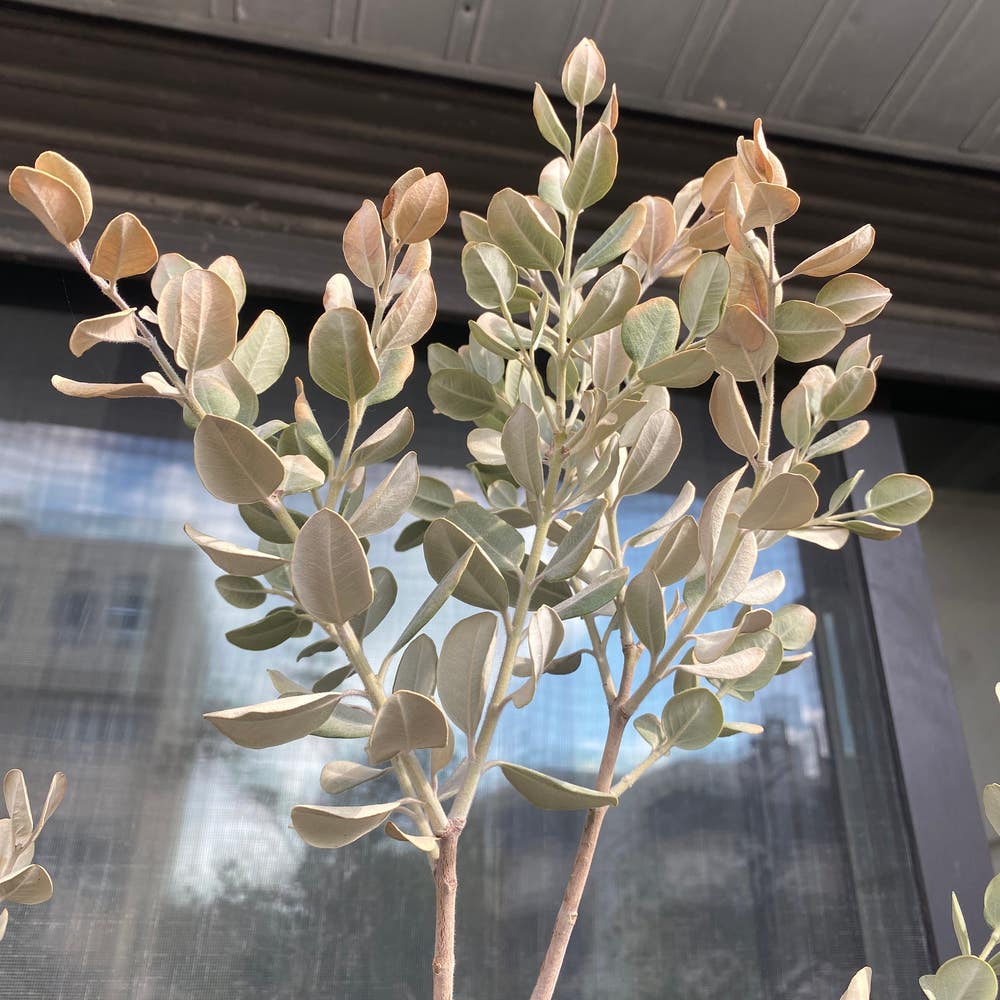
✂️ Ultimate Guide to Pruning Rata
Metrosideros tremuloides
By the Greg Editorial Team
Nov 22, 2024•5 min read
This article was created with the help of AI so we can cover more plants for you. May contain errors. See one? Report it here.
- 🌱 Prune rata in spring for growth and fall to prepare for winter.
- ✂️ Signs of needed pruning include overgrowth, dead branches, and fewer blooms.
- 🛠️ Essential tools for pruning rata are shears, loppers, a saw, and gloves.
When to Prune Rata
Best Seasons for Pruning Rata 🌱
Pruning rata at the right time is crucial for its health and growth. Spring pruning is ideal for shaping the plant and encouraging new growth, making it a great time to give your rata a fresh look.
On the other hand, fall pruning is suitable for maintenance. This timing helps prepare the plant for winter, ensuring it can withstand the colder months ahead.
Signs That Rata Needs Pruning ✂️
Recognizing when your rata needs pruning can make a significant difference in its vitality. Overgrowth is a clear sign; if dense foliage is obstructing light and air, it’s time to take action.
Look for dead branches as well, which indicate disease or damage. Additionally, a lack of blooms can signal potential health issues, suggesting that your rata may need some attention to thrive again.
By staying attentive to these signs, you can keep your rata healthy and flourishing. Next, let’s explore how to effectively prune your rata for optimal results.
How to Prune Rata
🌱 Step-by-Step Guide to Pruning Rata
Pruning rata can seem daunting, but with a clear plan, it becomes manageable. Start by assessing the plant to identify areas that need attention.
- Assess the plant: Look for overgrown sections or dead branches.
- Remove dead or damaged branches: Cut back to healthy tissue to promote growth.
- Thin out crowded areas: Selectively remove branches to improve airflow and light penetration.
- Shape the plant: Trim to maintain the desired form, ensuring a balanced appearance.
- Clean up: Remove all cuttings from the area to prevent disease.
🔧 Tools Needed for Effective Pruning
Having the right tools makes a significant difference in your pruning experience. Here’s what you’ll need:
- Pruning shears: Perfect for small branches.
- Loppers: Ideal for thicker branches that require more leverage.
- Saw: Necessary for larger cuts that shears can’t handle.
- Gloves: Protect your hands from cuts and scrapes.
⚠️ Safety Precautions During Pruning
Safety should always be a priority when pruning. Follow these precautions to ensure a safe experience:
- Wear protective eyewear: Shield your eyes from flying debris.
- Ensure tools are sharp and clean: This helps make clean cuts and reduces the risk of injury.
- Be cautious of falling branches or debris: Stay aware of your surroundings to avoid accidents.
By following these steps and safety measures, you'll be well on your way to successfully pruning your rata. This not only enhances the plant's health but also its beauty.
Next, let’s explore the art of deadheading rata to encourage even more blooms!
Deadheading Rata
🌼 Explanation of Deadheading and Its Benefits for Rata
Deadheading is the process of removing spent flowers from your rata plants. This simple act encourages new blooms and enhances the overall vigor of the plant.
By regularly deadheading, you promote additional flowering, ensuring your rata remains vibrant and healthy throughout the growing season. It’s a small effort that yields significant rewards.
✂️ Step-by-Step Instructions for Deadheading Rata
- Identify spent flowers: Look for wilted or brown blooms that have outlived their beauty.
- Use clean pruning shears: Always ensure your tools are sanitized to prevent disease.
- Cut back to the first set of healthy leaves: This encourages new growth and keeps your plant looking tidy.
- Dispose of cut flowers: Proper disposal helps prevent the spread of any potential diseases.
⏰ Timing for Deadheading to Encourage More Blooms
The best time to deadhead is immediately after flowering, typically from late spring to early summer.
Aim to deadhead every few weeks during the blooming season to maximize your rata's flowering potential. Keeping a consistent schedule will help your plants thrive.
With these deadheading tips, your rata will not only look its best but also continue to flourish. Next, we’ll explore common pruning mistakes to avoid, ensuring your pruning practices are effective and beneficial.
Common Pruning Mistakes
Mistakes to Avoid When Pruning Rata 🌿
Pruning can be a delicate dance, and missteps can lead to serious issues. One of the most common mistakes is over-pruning, where too much foliage is removed at once, leaving the plant vulnerable.
Another pitfall is making improper cuts. Leaving stubs can invite disease, compromising the health of your rata. Additionally, ignoring the growth habits of your plant can lead to ineffective pruning techniques, especially when distinguishing between tree and vine forms.
How to Correct Over-Pruning or Improper Cuts ✂️
If you find yourself in the unfortunate position of having over-pruned, the first step is to assess the extent of the damage. Identify the affected areas and take note of how much foliage remains.
Next, allow your plant to recover. This means minimizing additional stress by avoiding further cuts for a while. In future pruning sessions, use proper techniques to ensure you’re supporting your rata’s health rather than hindering it.
By being mindful of these common mistakes and their corrections, you can cultivate a thriving rata that flourishes year after year. Now, let’s explore how to care for your plant after pruning to ensure it continues to thrive.
Post-Pruning Care
Care Tips After Pruning Rata 🌱
After pruning your rata, it's crucial to provide the right care to help it thrive. Start with watering; ensure the plant receives consistent moisture without creating soggy conditions.
Next, consider fertilization. Applying a balanced fertilizer will support recovery and encourage new growth.
Finally, mulching is essential. Use organic mulch to retain moisture and suppress weeds, creating a healthier environment for your plant.
Monitoring Rata for Signs of Stress or Disease Post-Pruning 👀
Keep a close eye on your rata after pruning. Look out for wilting or yellowing leaves, which can indicate stress.
Regularly check for pests or disease. Early detection is key to preventing further issues.
If you notice any problems, be ready to adjust care practices. Tailor your watering and feeding based on how your plant responds to its new conditions.
By following these care tips and monitoring your rata, you'll set it up for a robust recovery and vibrant growth. Now, let’s dive into common pruning mistakes to avoid, ensuring your future pruning sessions are even more successful.
⚠️ Safety First
This content is for general information and may contain errors, omissions, or outdated details. It is not medical, veterinary advice, or an endorsement of therapeutic claims.
Always consult a qualified healthcare professional before using any plant as food, medicine, or supplement.
Never eat any plant (or feed one to pets) without confirming its identity with at least two trusted sources.
If you suspect poisoning, call Poison Control (800) 222-1222, the Pet Poison Helpline (800) 213-6680, or your local emergency service immediately.
Spotted an error? Please report it here.
Transform your rata into a blooming masterpiece 🌸 with Greg's tailored pruning reminders and expert tips that ensure your plant thrives all season long!