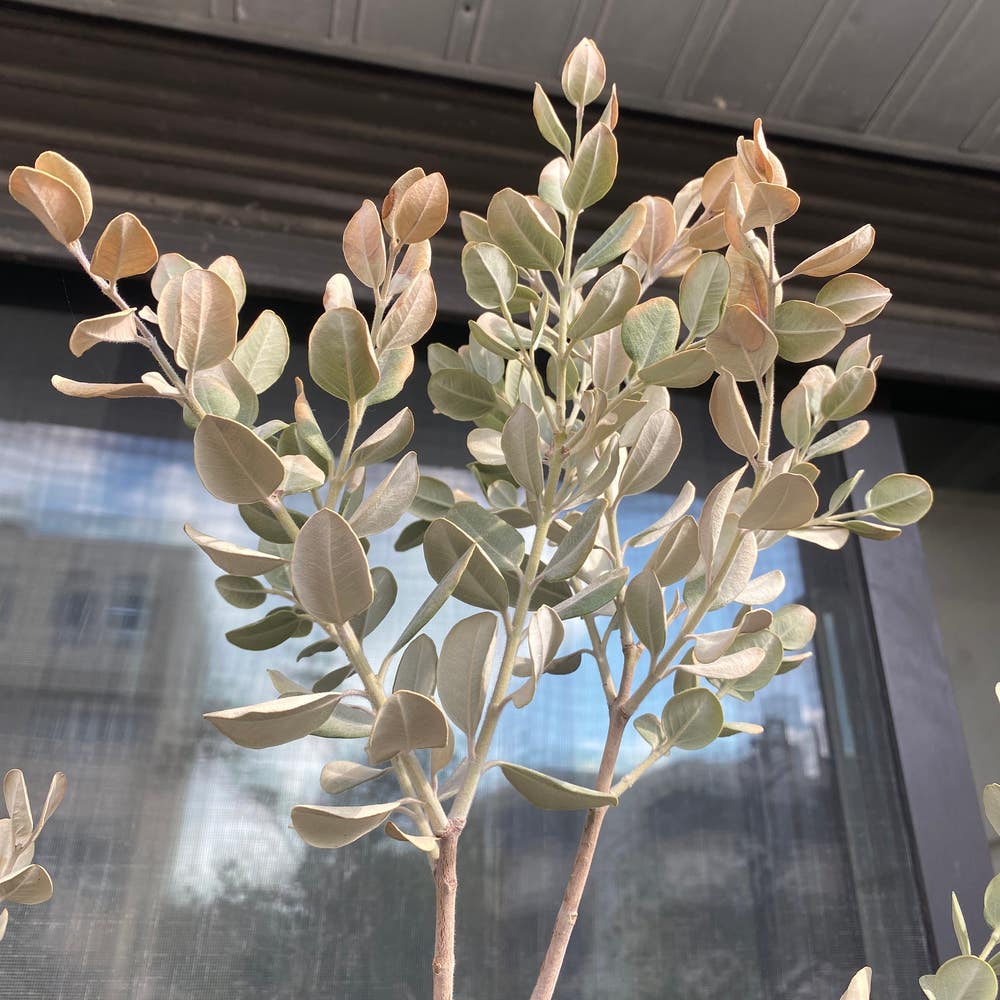
❄️ How to Prepare Your Rata for Winter
Metrosideros tremuloides
By the Greg Editorial Team
Nov 22, 2024•5 min read
This article was created with the help of AI so we can cover more plants for you. May contain errors. See one? Report it here.
- ❄️ Cover Rata plants with frost cloth to protect against cold damage before frost.
- 🌱 Reduce watering to every 2-4 weeks in winter to prevent root rot.
- 🌞 Transition Rata indoors before frost for optimal winter care and protection.
Protection Strategies
🌨️ Methods for Protecting Rata from Frost
To shield your Rata from frost, covering them with frost cloth or burlap is essential. Make sure to cover your plants before the expected frost to provide adequate protection.
Securing these covers is crucial to prevent wind damage. Use stakes or weights to hold the fabric in place, ensuring it stays snug against the plants.
🧤 Using Mulch and Covers for Insulation
Mulch serves as a fantastic insulator for your Rata during winter. Organic options like straw, wood chips, or bark are ideal choices.
Apply a depth of 2-4 inches around the base of the plants. This layer helps retain soil warmth and moisture, creating a protective barrier against the cold.
👀 Identifying Signs of Frost Damage
Recognizing frost damage early can save your Rata from further harm. Look for symptoms such as wilting or browning leaves, which indicate stress.
Stunted growth or dieback in branches are also telltale signs. If you suspect frost damage, take immediate action to assess and care for your plants to promote recovery.
With these protection strategies in place, your Rata will be better equipped to withstand the harsh winter months. Next, we’ll explore how to adjust watering and fertilizing schedules to support your plants during this challenging season.
Adjusting Watering and Fertilizing Schedules
🌨️ Modifying Watering Practices in Winter
As winter approaches, it's crucial to adjust your watering practices for Rata. Reducing the frequency to every 2-4 weeks helps prevent overwatering, which can lead to yellowing leaves and root rot.
Monitor the moisture levels in the soil to determine when to water. If the top inch feels dry, it’s time to give your Rata a drink.
❄️ Adjusting Fertilizing Practices in Winter
When it comes to fertilizing, timing is everything. Avoid fertilizing during the plant's dormancy in winter; instead, wait until early spring when growth resumes.
For spring application, consider using slow-release fertilizers. These provide a steady supply of nutrients, supporting healthy growth as your Rata awakens from its winter slumber.
By fine-tuning your watering and fertilizing schedules, you set your Rata up for a vibrant growing season ahead. Next, let’s explore how to care for your Rata indoors during the cold months.
Indoor Care for Rata During Cold Months
🌱 Transitioning Rata Indoors
Bringing your Rata indoors is essential to protect it from harsh winter conditions. Timing is crucial; make sure to move your plant inside before the first frost hits.
To create a welcoming environment, aim for bright, indirect light and maintain moderate humidity levels. This will help your Rata thrive even when it's not outdoors.
💧 Indoor Watering and Care
Adjusting your watering routine is vital for indoor Rata care. Check the soil moisture weekly to determine when to water, ensuring you don’t let it dry out completely.
Be cautious of overwatering, as indoor settings can retain moisture longer than outdoor environments. Look for signs like yellowing leaves to avoid root rot and keep your plant healthy throughout the winter months.
As you care for your Rata indoors, remember that a little attention goes a long way. With the right conditions, your plant will be ready to flourish when spring arrives.
Spring Preparation
🧐 Assessing Winter Damage and Recovery Techniques
As winter fades, it's crucial to assess your Rata's health. Start by inspecting branches and foliage for any signs of damage.
Look for wilting, browning, or broken branches that may need attention. Identifying these areas early can help you determine what needs pruning or special care.
✂️ Pruning Rata in Spring for Healthy Growth
Timing is everything when it comes to pruning. Aim to prune your Rata from late winter to early spring for optimal results.
Use clean, sharp pruning shears to make precise cuts. Focus on removing any dead or damaged branches to promote healthy growth.
🌱 Preparing Rata for the Growing Season After Winter
Once you've pruned, it's time to encourage new growth. Fertilizing your Rata after pruning will give it the nutrients it needs to thrive.
Additionally, ensure adequate watering as temperatures rise. This will help your Rata bounce back and flourish in the warmer months ahead.
With these steps, your Rata will be well-prepared for the growing season, setting the stage for vibrant growth and health. Next, let’s explore common issues that may arise during winter and how to address them effectively.
Common Issues
🌨️ Identifying and Addressing Winter-Related Problems
Winter can be tough on Rata plants, leading to several common issues. The most prevalent problems include frost damage, overwatering, and pest infestations.
Frost damage typically manifests as wilting or browning leaves. Overwatering can result in yellowing leaves and root rot, while pests may cause visible damage to foliage.
🛠️ Solutions for Common Winter Care Challenges with Rata
To combat these winter challenges, start by implementing proper watering schedules. Reducing watering frequency during colder months is crucial; aim for every 2-4 weeks based on soil moisture.
Additionally, using protective measures against frost is essential. Cover your Rata with frost cloth or burlap before expected frost to shield it from harsh conditions. Regularly inspect your plants for pests and take action promptly to prevent infestations.
By staying vigilant and proactive, you can help your Rata thrive even in winter's chill. Next, let’s explore how to adjust watering and fertilizing schedules to support your plants during this season.
⚠️ Safety First
This content is for general information and may contain errors, omissions, or outdated details. It is not medical, veterinary advice, or an endorsement of therapeutic claims.
Always consult a qualified healthcare professional before using any plant as food, medicine, or supplement.
Never eat any plant (or feed one to pets) without confirming its identity with at least two trusted sources.
If you suspect poisoning, call Poison Control (800) 222-1222, the Pet Poison Helpline (800) 213-6680, or your local emergency service immediately.
Spotted an error? Please report it here.
Prepare your Rata for winter like a pro ❄️ with Greg's tailored reminders for watering and protective measures, ensuring it thrives when spring arrives!