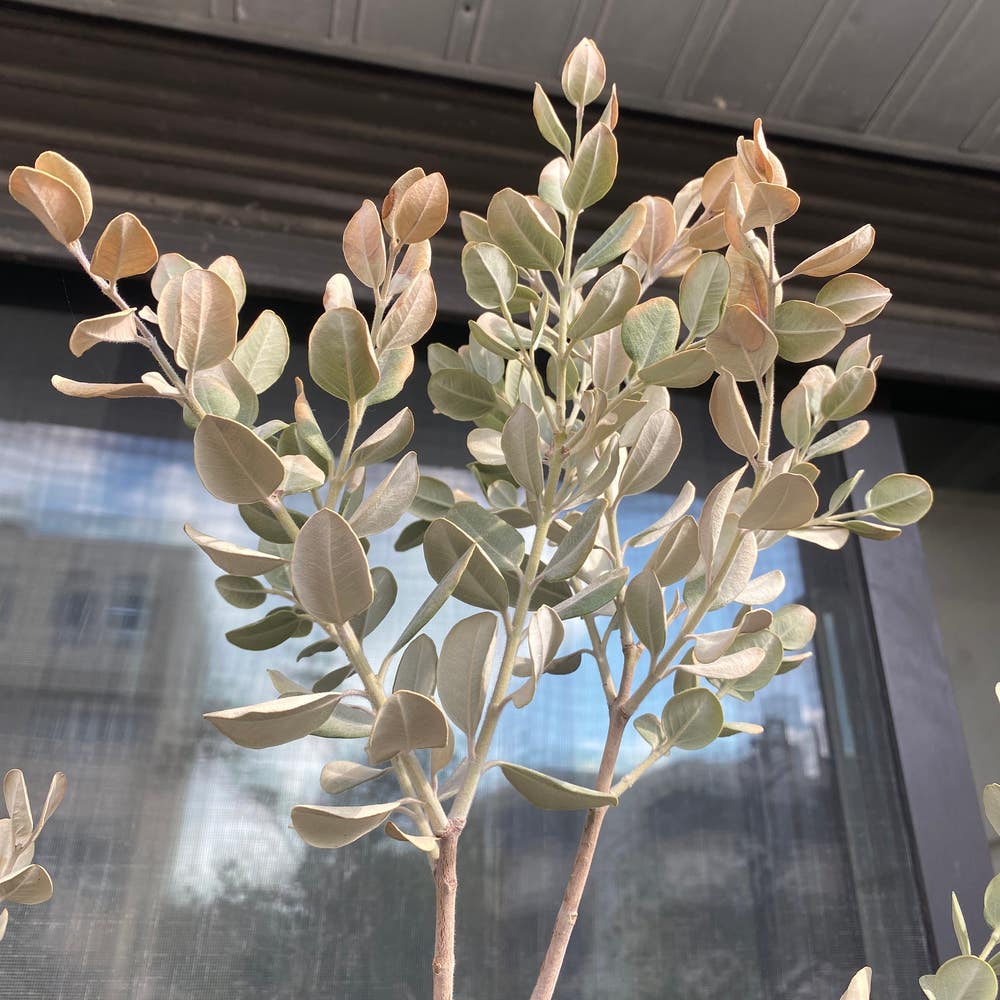
🌞 Managing Direct Sunlight for Your Rata
Metrosideros tremuloides
By the Greg Editorial Team
Nov 22, 2024•5 min read
This article was created with the help of AI so we can cover more plants for you. May contain errors. See one? Report it here.
- 🌞 Rata thrives in bright, indirect sunlight; too much direct light causes leaf burn.
- 🪟 Window direction matters: south-facing offers intense light, east-facing is gentle.
- 🌱 Monitor for stress signs like scorched leaves to adjust sunlight exposure effectively.
Definition of Direct Sunlight
Explanation Suitable for Children 🌞
Direct sunlight is the bright light that comes straight from the sun, without anything blocking it, like clouds or trees. Imagine standing outside on a sunny day, feeling the warmth on your skin with no shade around you.
Contrast with Indirect Sunlight 🌥️
Indirect sunlight, on the other hand, is light that is softened or filtered. For example, when you sit in a room and sunlight comes through a window, but it doesn’t hit you directly, that’s indirect sunlight.
Understanding these two types of sunlight is crucial for taking care of your Rata. Knowing the difference helps you provide the right conditions for your plant to thrive.
Rata's Sunlight Tolerance
🌞 Does Rata Need Direct Sunlight?
Rata thrives best in bright, indirect sunlight. While it prefers this softer light, it can also benefit from a bit of direct sunlight.
☀️ Can Rata Tolerate Direct Sunlight?
Rata can handle some direct sunlight, particularly during the gentle morning or late afternoon hours. This exposure can be beneficial without overwhelming the plant.
🔥 Effects of Too Much Direct Sunlight on Rata
Excessive direct sunlight can lead to several issues for Rata.
- Leaf burn: You might notice brown, crispy edges on the leaves, a clear sign that the plant is struggling.
- Reduced overall plant health: Prolonged exposure can stunt growth and cause colors to fade, leaving your Rata looking less vibrant.
Understanding Rata's sunlight tolerance is crucial for its health and beauty. By managing its exposure wisely, you can ensure your plant thrives beautifully. Next, let’s explore the environmental factors that influence sunlight exposure for Rata.
Environmental Factors
🌅 Role of Window Direction
Best Window Directions for Rata
The direction of your windows plays a crucial role in how much sunlight your Rata receives.
- South-facing windows provide the most direct sunlight throughout the day, making them ideal for Rata.
- East-facing windows offer gentle morning sunlight, which is perfect for promoting healthy growth.
How Window Direction Affects Sunlight Intensity
Different window orientations impact the intensity of sunlight your plant gets.
- North-facing windows typically receive less direct sunlight, which may not be sufficient for Rata.
- West-facing windows expose plants to intense afternoon sunlight, potentially causing stress or damage.
🌍 Hemisphere Considerations
Differences in Sunlight Exposure in Northern vs. Southern Hemisphere
Sunlight patterns vary significantly between hemispheres.
- In the Northern Hemisphere, the sun travels across the southern sky, affecting light intensity and duration.
- Conversely, in the Southern Hemisphere, the sun moves across the northern sky, creating different light exposure patterns.
Seasonal Changes in Sunlight Intensity
Sunlight intensity also fluctuates with the seasons.
- During summer, longer days lead to increased light intensity, which can benefit Rata.
- In winter, shorter days result in reduced sunlight, necessitating adjustments in care.
Understanding these environmental factors will help you create the best conditions for your Rata. By considering window direction and seasonal changes, you can ensure your plant thrives in its unique environment.
Signs of Sunlight Stress
🌞 Identifying Signs of Too Much Sunlight
Leaf Scorch
Leaf scorch is a common sign that your Rata is getting too much direct sunlight. You’ll notice brown, crispy edges or spots on the leaves, indicating that the plant is struggling to cope with the intensity of the sun.
Fading Colors
Another indicator of excessive sunlight is fading colors. If the leaves appear dull or washed-out, it’s a clear sign that your Rata is overexposed to harsh sunlight, which can diminish its vibrancy and overall health.
🌑 Identifying Signs of Insufficient Sunlight
Leggy Growth
On the flip side, insufficient sunlight can lead to leggy growth. This means you’ll see stretched stems with sparse leaves, as the plant reaches for more light, resulting in weak and elongated growth.
Leaf Drop
If your Rata is dropping leaves, it’s a strong signal that it’s not getting enough sunlight. This lack of adequate light hampers photosynthesis, causing the plant to shed leaves in an effort to conserve energy.
Recognizing these signs is crucial for maintaining a healthy Rata. By understanding the balance between too much and too little sunlight, you can ensure your plant thrives in its environment. Next, let’s explore how to adjust sunlight exposure effectively.
Adjusting Sunlight Exposure
🌞 How to Acclimate Rata to Direct Sunlight
Gradual exposure: Start by placing your Rata in direct sunlight for just a few hours each day. Gradually increase this time as the plant adjusts to the brighter conditions.
Monitor plant response: Keep an eye on your Rata for any signs of stress, such as leaf scorch or fading colors. Adjust the exposure time based on how well the plant is adapting.
☀️ Tips for Managing Sunlight Exposure
Using Sheer Curtains
Sheer curtains can be a game-changer for your Rata. They diffuse harsh sunlight while still allowing plenty of light to filter through, creating a more balanced environment for your plant.
Rotating the Plant for Even Light Distribution
Rotating your Rata regularly is crucial for its health. This practice ensures that all sides of the plant receive equal sunlight, promoting balanced growth and preventing any one side from becoming leggy or weak.
By following these tips, you can help your Rata thrive in its environment. Next, let's explore some common misconceptions about Rata and its sunlight needs.
Common Misconceptions
🌞 Myths About Rata and Sunlight
One common myth is that Rata needs full direct sunlight all day. In reality, Rata thrives best with bright, indirect light and only limited exposure to direct sunlight.
🔍 Clarifying the Difference Between Light Needs and Light Tolerance
It's important to understand the distinction between light needs and light tolerance. Light needs refer to the ideal conditions for Rata's growth, while light tolerance indicates the plant's ability to endure less-than-ideal sunlight conditions.
Recognizing this difference can help you provide the best care for your Rata, ensuring it remains healthy and vibrant.
As you navigate the world of plant care, remember that understanding these nuances can lead to a thriving indoor garden.
⚠️ Safety First
This content is for general information and may contain errors, omissions, or outdated details. It is not medical, veterinary advice, or an endorsement of therapeutic claims.
Always consult a qualified healthcare professional before using any plant as food, medicine, or supplement.
Never eat any plant (or feed one to pets) without confirming its identity with at least two trusted sources.
If you suspect poisoning, call Poison Control (800) 222-1222, the Pet Poison Helpline (800) 213-6680, or your local emergency service immediately.
Spotted an error? Please report it here.
Ensure your Rata thrives in optimal light conditions ☀️ with Greg's tailored reminders and sunlight tracking features that help you manage its exposure like a pro!