How to Get Your Rata to Bloom 🌸
Metrosideros tremuloides
By the Greg Editorial Team
Nov 22, 2024•5 min read
This article was created with the help of AI so we can cover more plants for you. May contain errors. See one? Report it here.
- 🌺 Rata blooms attract pollinators, crucial for local wildlife and ecosystem health.
- 🌞 Ensure proper care: sunlight, soil, and watering are key for blooming success.
- 🌿 Rata can bloom again after flowering; it doesn't die post-blooming!
Flowering Status of Rata
🌸 Clarification on Flower Production
Rata is indeed a flowering plant, showcasing stunning vibrant red blooms in various species. These flowers play a crucial role in Rata's life cycle, contributing to its ecological significance by attracting pollinators and supporting local wildlife.
❌ Reasons for Non-Flowering
However, not all Rata varieties will bloom under certain conditions. Some may prioritize foliage over flowers due to factors like environmental stress, insufficient pollinator presence, or improper care practices.
Understanding these dynamics can help you better appreciate the beauty of Rata, whether it’s in full bloom or focusing on its lush greenery. As we delve deeper into the flowering process, we’ll explore what happens when Rata does flower and how to encourage those beautiful blooms.
If Rata Does Flower
🌸 Flower Characteristics
Description of Flower Colors and Structure
Rata flowers are a stunning sight, typically showcasing vibrant bright red hues. Some varieties may surprise you with occasional yellow or orange blooms, adding diversity to their visual appeal.
The structure of Rata flowers is equally captivating. They feature flower spikes densely packed with numerous stamens, giving them a fluffy, cloud-like appearance that attracts attention.
Self-Pollination vs. External Pollination
Rata primarily relies on cross-pollination, with birds and insects playing crucial roles in this process. While some may wonder if Rata can self-pollinate, the reliance on external pollinators is essential for successful reproduction.
🌼 Blooming Process
Stages of Blooming and Typical Bloom Time
The blooming process unfolds in several stages: it begins with bud formation, followed by the opening of the buds, and culminates in full bloom. Typically, Rata flowers from late spring to early summer, although this can vary based on species and environmental conditions.
Duration from Bud Formation to Full Bloom
From the moment buds form, it takes approximately 4-6 weeks for Rata to reach full bloom. This timeframe allows for the gradual development of those eye-catching flowers.
Lifespan of Flowers
Once in full bloom, Rata flowers have an average lifespan of 1-2 weeks. Environmental factors can influence this duration, but their brief yet beautiful presence is always a delight.
🌱 Encouraging Blooms
Tips to Encourage Rata to Bloom
To encourage Rata to bloom, provide optimal conditions: ensure it receives adequate sunlight, has well-draining soil, and is properly watered. Additionally, using balanced fertilizers during the growing season can significantly boost flowering potential.
Factors Influencing Flowering
Several environmental factors can influence flowering, including temperature, humidity, and light exposure. Moreover, the presence of pollinators is vital; without them, blooming success may be compromised.
🌿 Post-Flowering
What Happens After the Flowering Period
After the flowering period, Rata focuses on recovery and energy allocation. This phase is crucial for potential seed development and dispersal, ensuring the continuation of the species.
Discussion on Whether Rata Dies After Flowering
It's a common misconception that Rata dies after flowering. In reality, it continues to grow and can bloom again in subsequent seasons, showcasing its resilience and adaptability.
🐦 Pollination
Description of Pollination Methods for Rata
Rata primarily depends on bird and insect pollination methods. Attracting these pollinators is essential for enhancing blooming success, making it vital to create an inviting environment for them.
With a better understanding of Rata's flowering process, you can appreciate the beauty and complexity of this remarkable plant. Next, let's explore what happens if Rata doesn't flower, focusing on its ornamental features and reproductive strategies.
If Rata Doesn't Flower
🌿 Primary Ornamental or Functional Features of Rata
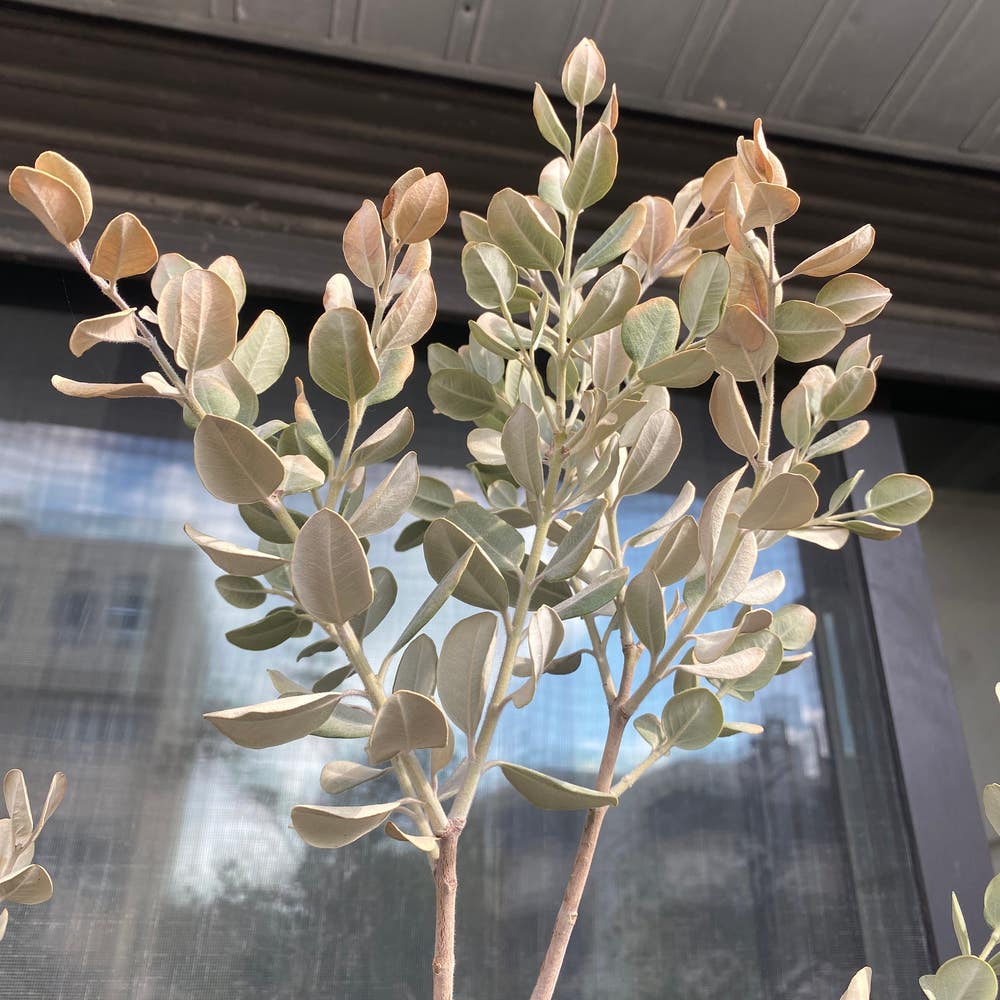
Rata may not always bloom, but it compensates with its stunning foliage. The lush green leaves and robust structure make it an attractive addition to any garden.
Landscapers often appreciate Rata for its aesthetic appeal, even in the absence of flowers. Its vibrant leaves can create a striking visual impact, enhancing the beauty of outdoor spaces.
🌱 Explanation of How Rata Reproduces Without Flowers
Even without flowers, Rata has effective reproductive strategies. It relies on seed dispersal and vegetative propagation to maintain its populations.
These methods are crucial for Rata's survival, allowing it to thrive in various environments. By adapting to its surroundings, Rata ensures its continued presence, even when flowering is not an option.
As we explore the unique aspects of Rata, we’ll uncover more about its fascinating adaptations and ecological significance.
Unique Aspects of Rata
🌸 Unusual Characteristics Related to Rata's Flowering or Non-Flowering Nature
Rata's flowering is highly variable, influenced by environmental conditions and the specific species. Some varieties may bloom vibrantly, while others focus on lush foliage, adapting to their surroundings to thrive.
These adaptations allow Rata to flourish in diverse habitats, showcasing its resilience. Whether in dense forests or open spaces, Rata demonstrates a remarkable ability to adjust its growth strategy based on available resources.
📚 Interesting Facts or Trivia About Rata's Reproductive Strategy
Rata holds historical significance in Maori culture, symbolizing strength and resilience. Its ecological importance is equally profound, providing habitat and food for various wildlife.
Unique adaptations enhance Rata's survival, such as its ability to reproduce through both flowering and vegetative means. This versatility ensures that Rata populations can persist even in challenging conditions, making it a fascinating subject of study.
As we explore Rata's journey through blooming and beyond, it's clear that this plant is not just a pretty face; it's a vital player in its ecosystem.
⚠️ Safety First
This content is for general information and may contain errors, omissions, or outdated details. It is not medical, veterinary advice, or an endorsement of therapeutic claims.
Always consult a qualified healthcare professional before using any plant as food, medicine, or supplement.
Never eat any plant (or feed one to pets) without confirming its identity with at least two trusted sources.
If you suspect poisoning, call Poison Control (800) 222-1222, the Pet Poison Helpline (800) 213-6680, or your local emergency service immediately.
Spotted an error? Please report it here.
Unlock your Rata's blooming potential 🌺 with Greg's tailored care reminders for sunlight and watering, ensuring your garden bursts with vibrant color and attracts pollinators!