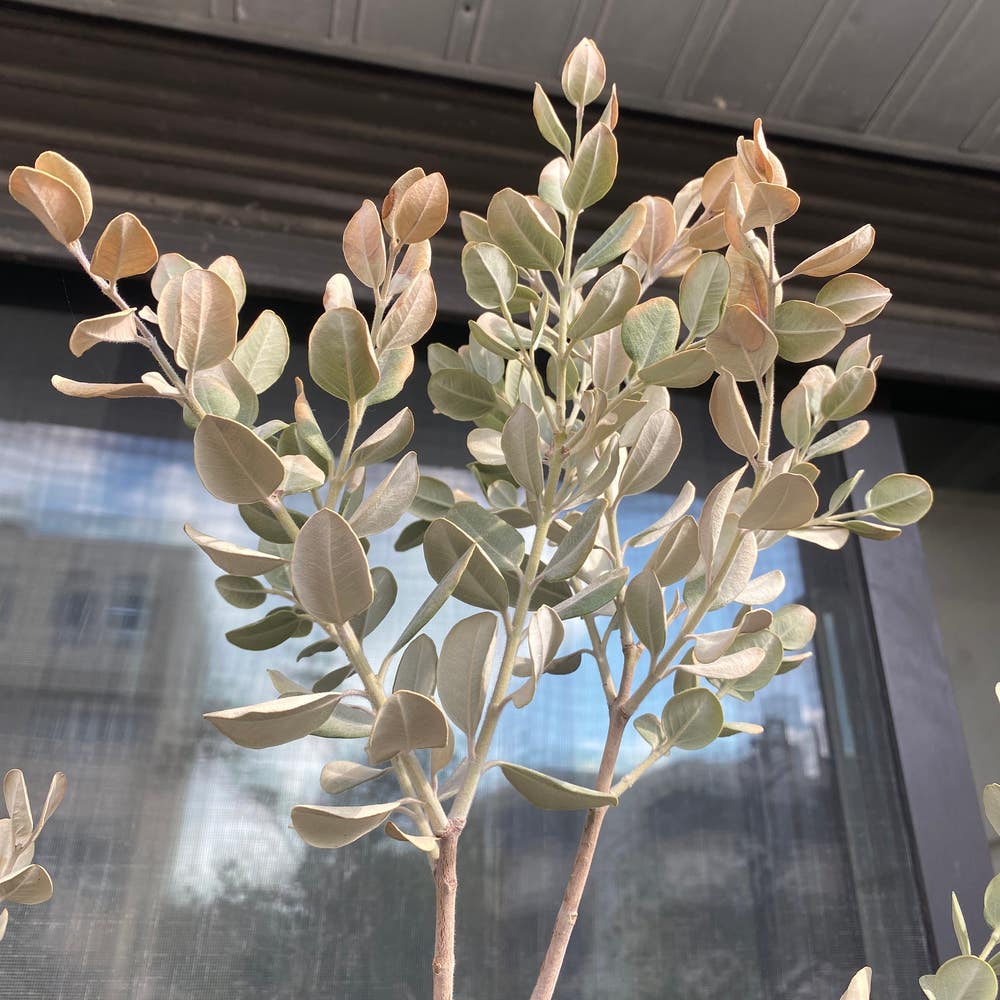
Everything You Need to Know to Grow Rata
Metrosideros tremuloides
By the Greg Editorial Team
Nov 22, 2024•9 min read
This article was created with the help of AI so we can cover more plants for you. May contain errors. See one? Report it here.
- 🌞 Rata thrives in full sun to partial shade; choose the right location for growth.
- 🌱 Well-draining soil with pH 6.0-7.5 is essential for healthy Rata development.
- ✂️ Regular pruning and monitoring prevent pests and diseases, ensuring vibrant blooms.
Choosing the Right Location
Outdoor Location Selection 🌳
When selecting an outdoor location for your Rata, consider its sunlight requirements. Rata thrives in full sun to partial shade, so pick a spot that receives ample light throughout the day.
Space is another critical factor. Ensure you allow enough room for Rata to grow, whether as a tree or a vine, to avoid overcrowding and promote healthy development.
Proximity to other plants can also enhance growth. Companion planting can provide benefits such as improved pollination and pest control, making your garden a more vibrant ecosystem.
Container Location Selection 🪴
For container planting, size matters. Choose a container with a minimum diameter of 12-18 inches to give your Rata enough space for root development.
Drainage is crucial for healthy plants. Ensure your container has adequate drainage holes to prevent waterlogging, which can lead to root rot.
Placement is key to protecting your Rata from environmental stress. Avoid areas with extreme temperatures and high winds to create a stable growing environment.
With the right location secured, you’re well on your way to nurturing a thriving Rata. Next, let’s dive into soil preparation to ensure your plant has the best foundation for growth.
Soil Preparation
🌱 Soil Type and Composition
To grow healthy Rata, start with well-draining soil. This is crucial for root health, as it prevents waterlogging and promotes strong growth.
Aim for a soil pH between 6.0 and 7.5. This range supports nutrient availability, ensuring your plants thrive.
🧑🌾 Soil Amendments
Incorporating organic matter is essential. Compost or well-rotted manure enriches the soil, providing vital nutrients for your Rata.
Mulching is another key practice. Using organic mulch helps retain moisture, regulates soil temperature, and suppresses weeds, creating a healthier environment for your plants.
With the right soil preparation, your Rata will have a solid foundation for growth. Next, let’s explore effective planting techniques to ensure your plants flourish.
Planting Techniques
🌱 Planting from Seeds
Starting Rata from seeds can be a rewarding experience. Begin by soaking the seeds for 24 hours to enhance germination.
Next, sow the seeds at a depth of 1/4 inch in well-prepared soil. Expect germination to take between 2 to 4 weeks, depending on conditions.
🌿 Transplanting Seedlings
Once your seedlings have developed 2-3 true leaves, it's time to transplant them. This is the ideal moment for moving them outdoors.
When planting, space the seedlings 3-5 feet apart to allow for healthy growth. Don’t forget to harden off your seedlings by gradually acclimating them to outdoor conditions over a week or two.
With these planting techniques, you're well on your way to nurturing thriving Rata plants. Next, let’s explore the watering requirements essential for their growth.
Watering Requirements
General Watering Guidelines 🌊
Watering is crucial for the health of your Rata. During dry spells, aim for weekly watering to keep your plants thriving.
Maintaining soil moisture is key. Ensure the soil remains consistently moist but avoid waterlogging, which can harm root health.
Adjustments for Different Environments 🌍
When growing outdoor Rata, keep an eye on rainfall. Adjust your watering schedule based on natural precipitation to avoid over or under-watering.
For container Rata, be prepared to water more frequently. Containers dry out faster, so check the moisture level regularly to keep your plants happy and hydrated.
With proper watering practices, your Rata will flourish, setting the stage for the next essential aspect of care: fertilizing.
Fertilizing: Best Practices
Types of Fertilizers 🌱
When it comes to fertilizing Rata, choosing the right type is crucial for healthy growth. Balanced NPK fertilizers, such as a 10-10-10 ratio, provide essential nutrients that support overall plant health.
For those leaning towards organic gardening, options like fish emulsion or seaweed extract are fantastic alternatives. These organic fertilizers not only nourish the plant but also improve soil health over time.
Fertilization Schedule ⏰
Timing your fertilization is key to maximizing Rata's growth potential. Aim to apply fertilizers in early spring and again in mid-summer, aligning with the plant's active growth phases.
Always follow the package instructions for dosage to avoid over-fertilizing, which can harm your plant. A little goes a long way, so keep it simple and effective.
With the right fertilizers and a solid schedule, your Rata will thrive, setting the stage for vibrant blooms and lush foliage. Next, let’s explore the essential watering requirements to keep your plants hydrated and healthy.
Pruning for Health and Growth
Importance of Pruning 🌱
Pruning is essential for Rata, as it encourages bushier growth and promotes more vibrant flowering. Additionally, removing dead or diseased branches helps maintain the plant's overall health.
Pruning Techniques ✂️
Timing ⏰
The best time to prune Rata is late winter to early spring. This timing allows the plant to recover and thrive as it enters its growing season.
Tools 🛠️
Always use clean, sharp pruning shears for the best results. Dull tools can damage the plant and lead to infection.
Techniques 🎨
- Thinning Out Crowded Areas: This technique improves air circulation and light penetration, which are vital for healthy growth.
- Shaping the Plant: Regular shaping helps maintain a desirable form and encourages a fuller appearance.
By following these pruning practices, you can ensure your Rata remains healthy and vibrant. Proper care not only enhances its beauty but also contributes to its longevity.
As you continue caring for your Rata, remember that ongoing maintenance is key to its success. Let's explore the next steps in ensuring your plant thrives!
Ongoing Care and Maintenance
Regular Monitoring 🌱
Regular monitoring is essential for the health of your Rata plants. Check for pests and diseases frequently, as early detection can save your plants from significant damage.
Observing growth patterns is equally important. If you notice any unusual changes, adjust your care routine accordingly to keep your plants thriving.
Seasonal Care Adjustments 🌦️
As seasons change, so should your care strategies. In winter, protect young plants by applying a layer of mulch and covering them to shield against harsh conditions.
During the summer months, increase your watering frequency. Keep a close eye on your plants for signs of heat stress, ensuring they remain hydrated and healthy.
With these ongoing care practices, your Rata will flourish, setting the stage for the next section on common challenges you might face.
Common Challenges
🐛 Identifying and Managing Pests
Pests can be a real headache for Rata growers. Common culprits include aphids, scale insects, and caterpillars, which can wreak havoc on your plants if left unchecked.
To combat these pests, consider using neem oil or insecticidal soap. Both are effective and environmentally friendly options. Additionally, introducing beneficial insects like ladybugs can help keep pest populations in check naturally.
🦠 Dealing with Diseases
Diseases can also pose a significant threat to your Rata. Root rot and leaf spot are two of the most common issues that can arise, often due to improper care.
Preventing these diseases starts with proper watering techniques and ensuring good air circulation around your plants. This helps to keep the roots healthy and the foliage dry, reducing the risk of fungal infections.
🌱 Solutions for Poor Growth or Yellowing Leaves
If your Rata is struggling with poor growth or yellowing leaves, it’s essential to identify the underlying causes. Nutrient deficiencies, overwatering, or pest infestations are often to blame.
To remedy these issues, adjust your watering schedule and consider a balanced fertilizer to replenish nutrients. Regular monitoring will help you catch problems early, ensuring your Rata thrives.
With these challenges addressed, you’ll be well on your way to nurturing a healthy and vibrant Rata. Next, let’s explore advanced care techniques that can elevate your gardening game even further.
Advanced Care Techniques
🌱 Propagation Methods
When it comes to propagating Rata, you have two main techniques: seed propagation and cuttings. Seed propagation is a rewarding process, but it requires patience as seeds can take several weeks to germinate.
Cuttings, on the other hand, offer a quicker route to new plants. For best results, take cuttings from healthy, mature plants and ensure they have at least a few leaves.
🌿 Specialized Fertilization Techniques
Foliar feeding is a fantastic way to give your Rata an extra boost. This method involves spraying a diluted fertilizer solution directly onto the leaves, allowing for quick nutrient absorption.
Timing is key here; aim to foliar feed during the growing season, ideally every 4-6 weeks. This approach can enhance growth and flowering, making your plants thrive.
✂️ Advanced Pruning Techniques
Pruning is essential for shaping and training Rata vines. Use clean, sharp pruning shears to make precise cuts, promoting healthy growth and airflow.
The best time to prune is late winter to early spring, just before the growing season kicks off. Regularly check your plants and adjust your pruning techniques as needed to maintain their desired shape and health.
With these advanced care techniques, you’ll be well on your way to cultivating a thriving Rata garden. Next, let’s explore common challenges you might face and how to tackle them effectively.
Myths and Misconceptions
Common Myths 🌱
When it comes to growing Rata, there are several myths that can lead to confusion. One prevalent misunderstanding is about its sunlight and water needs; many believe Rata thrives only in full sun, but it actually adapts well to partial shade too.
Another myth is that Rata is finicky about its environment. In reality, this resilient plant can flourish in a variety of conditions, making it a versatile choice for many gardeners.
Clarifying Misunderstandings 🔍
It's time to debunk the notion that Rata is a high-maintenance plant. While it does require some care, it’s not as complicated as some might think. With the right attention, Rata can be a robust addition to your garden.
Proper care is crucial for optimal growth and flowering. By understanding its needs and addressing them, you can enjoy a thriving Rata that brings beauty to your space.
As we move forward, let’s explore the ongoing care and maintenance required to keep your Rata healthy and vibrant.
⚠️ Safety First
This content is for general information and may contain errors, omissions, or outdated details. It is not medical, veterinary advice, or an endorsement of therapeutic claims.
Always consult a qualified healthcare professional before using any plant as food, medicine, or supplement.
Never eat any plant (or feed one to pets) without confirming its identity with at least two trusted sources.
If you suspect poisoning, call Poison Control (800) 222-1222, the Pet Poison Helpline (800) 213-6680, or your local emergency service immediately.
Spotted an error? Please report it here.
Unlock the secret to thriving Rata 🌱 with Greg's tailored care tips and watering reminders, ensuring your plant flourishes in any garden setting!