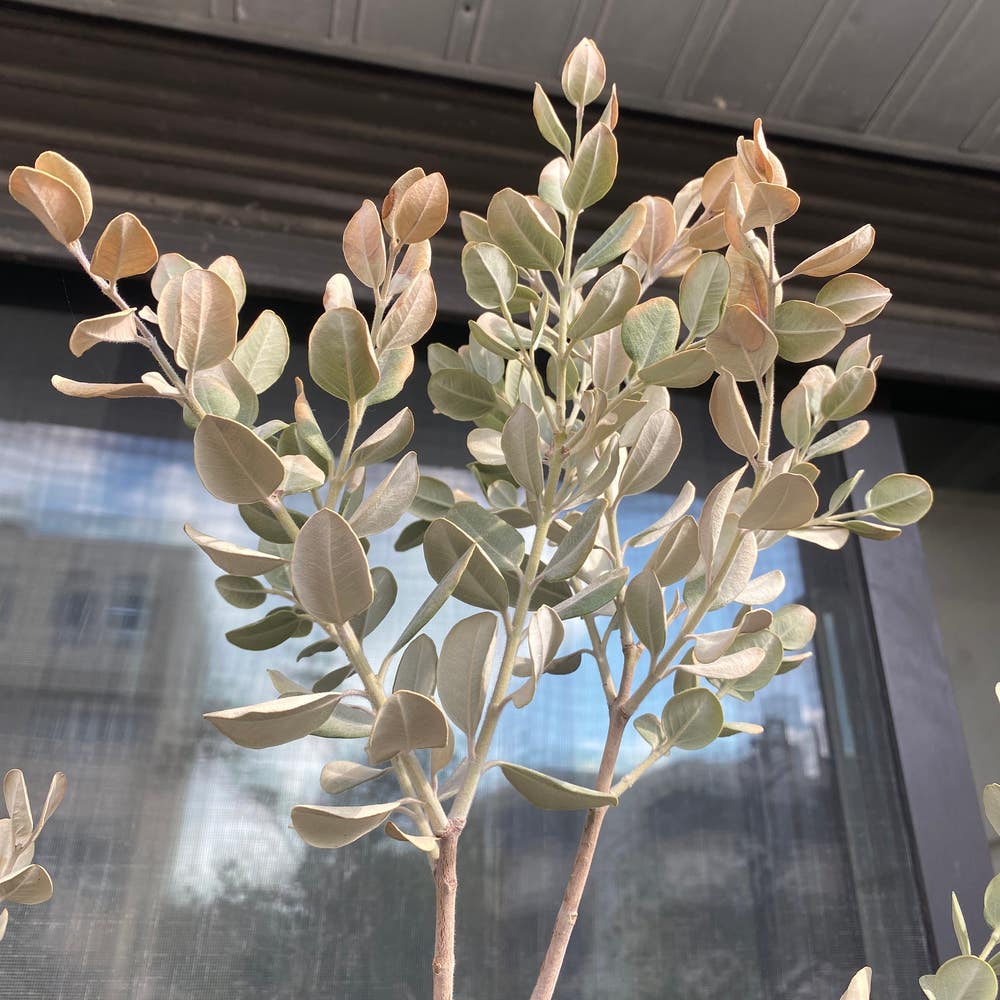
🌳 All About Your Rata's Roots
Metrosideros tremuloides
By the Greg Editorial Team
Nov 22, 2024•6 min read
This article was created with the help of AI so we can cover more plants for you. May contain errors. See one? Report it here.
- 🌱 Rata plants have fibrous roots that ensure stability and adaptability in various soils.
- 💧 Deep watering promotes root growth, enhancing nutrient access and drought resilience.
- ⚠️ Signs of root rot include wilting and yellowing leaves; proper care prevents this issue.
Type of Root System
Characteristics 🌱
Rata plants are known for their fibrous root system. This means they have numerous thin roots that spread out horizontally, which helps provide stability and support in a variety of soil conditions.
These roots are essential for anchoring the plant, allowing it to thrive even in challenging environments. Their ability to adapt to different soil types makes Rata a resilient choice for gardeners.
Understanding this root structure is crucial for effective plant care. It not only influences how you water and fertilize your Rata but also impacts its overall health and growth.
As we delve deeper into the specifics of Rata's root system, you'll discover how these characteristics play a vital role in nurturing your plant. Next, we’ll explore the typical depth and spread of Rata roots, shedding light on what to expect as your plant grows.
Root Depth and Spread
Typical Depth and Spread 🌱
Rata plants typically develop a root depth of 1-2 meters (3-6 feet), but this can vary based on soil conditions. Their horizontal spread is impressive, often extending 2-3 meters (6-10 feet) from the base, allowing them to anchor securely in diverse environments.
Factors Influencing Root Depth and Spread 🌍
Several factors influence how deep and wide Rata roots grow. Soil type plays a crucial role, as well as moisture availability and competition from nearby plants.
Understanding these elements can help you create optimal conditions for your Rata's roots to thrive. By ensuring the right balance of nutrients and moisture, you can support robust root development, which is essential for the overall health of your plant.
With this knowledge, you can better appreciate the importance of a well-established root system as you care for your Rata. Next, let’s explore how to properly water, fertilize, and transplant your Rata to promote healthy growth.
Watering, Fertilizing, and Transplanting
💧 Watering Needs
Watering your Rata is crucial for its health and growth. The frequency of watering largely depends on the depth of the roots and how well the soil retains moisture.
Deep watering is essential as it encourages roots to grow deeper into the soil. This not only helps the plant access more nutrients but also improves its stability and resilience against drought.
🌱 Fertilization Techniques
To keep your Rata thriving, consider using balanced NPK fertilizers. These provide the essential nutrients needed for robust growth.
Timing is key when it comes to fertilization. Aim to fertilize in early spring and mid-summer for optimal results. You can choose between surface application, where you sprinkle the fertilizer on top of the soil, or root drenching, which involves mixing the fertilizer with water and applying it directly to the roots.
🌍 Transplanting Considerations
When transplanting, ensure that you handle the roots carefully to minimize stress. Choose a new pot that is at least a size larger to give the roots room to expand.
After transplanting, water thoroughly to help settle the soil around the roots. This will also encourage new growth as the Rata adjusts to its new environment.
Understanding these watering and fertilization techniques will set your Rata on the path to thriving health. Next, let’s explore common root issues that may arise and how to address them effectively.
Common Root Issues
Identifying Problems 🌱
Root issues can significantly impact your Rata's health. One of the most common problems is root rot, which manifests through wilting, yellowing leaves, and stunted growth.
Pests can also wreak havoc on your plant's roots. Nematodes and root weevils are notorious for damaging root systems, leading to further complications if not addressed promptly.
Prevention and Solutions 🛠️
Preventing root issues starts with proper watering techniques. Ensure your soil has good drainage to avoid waterlogging, which can lead to root rot.
If you notice signs of root rot, adjust your watering schedule. Improving soil aeration can also help, allowing roots to breathe and thrive.
By staying vigilant and proactive, you can maintain a healthy root system for your Rata. This foundation will support the plant's overall growth and resilience, setting the stage for vibrant foliage and robust health.
Next, we’ll explore how to recognize root health indicators that can guide your care routine.
Root Health Indicators
👀 Visual Cues
Healthy roots are essential for a thriving Rata plant. Look for roots that are firm, with a white or light tan color and a strong, fibrous structure.
In contrast, unhealthy roots display dark brown or black colors, a mushy texture, and often emit a foul odor. These signs indicate that your plant may be struggling and requires immediate attention.
📊 Other Indicators
Beyond root appearance, plant vigor is a key indicator of root health. Lush foliage and robust growth signal that the roots are functioning well and supporting the plant effectively.
Additionally, the condition of the soil plays a crucial role. Well-aerated and free-draining soil is a strong indicator of good root health, allowing roots to thrive and absorb nutrients efficiently.
Understanding these visual and environmental cues can help you maintain a healthy Rata plant. By keeping an eye on root health, you set the stage for vibrant growth and resilience.
As you monitor your plant's roots, consider how to address any issues that arise. This proactive approach will lead you to the next section on recognizing and solving rootbound problems.
Rootbound Plants
Recognition and Solutions 🌱
Rootbound plants occur when roots circle the pot, leading to limited growth space. This can stunt the plant's development and overall health.
Signs of a rootbound plant include stunted growth, roots emerging from drainage holes, and poor water absorption. If you notice these symptoms, it’s time to take action.
Addressing Rootbound Issues ⚒️
Intervention is crucial when you see growth slowing or roots visibly escaping the pot. Ignoring these signs can lead to further complications for your plant.
Solutions include repotting into a larger container or employing root pruning techniques. Both methods can help rejuvenate your plant and promote healthier growth.
Understanding and addressing rootbound issues is essential for maintaining a thriving Rata plant. With proper care, your plant can flourish and reach its full potential.
Propagation and Division
Importance of Root Health 🌱
Healthy roots are the backbone of successful propagation and division. When roots are strong and vibrant, they enhance the plant's resilience and promote robust growth after the division process.
Techniques for Division ⏰
Timing is everything when it comes to dividing your Rata. Aim for early spring, as this is when the plant is gearing up for growth.
Tools and Methods
Use sterilized shears to prevent any potential infections. Ensure that each division has adequate roots to thrive independently.
Post-Division Care 💖
After dividing, give your Rata some extra love. Water thoroughly and consider fertilizing to support recovery and encourage new growth.
By focusing on root health and following these techniques, you can ensure that your Rata thrives after propagation. Understanding these practices will set you up for success as you nurture your plants.
⚠️ Safety First
This content is for general information and may contain errors, omissions, or outdated details. It is not medical, veterinary advice, or an endorsement of therapeutic claims.
Always consult a qualified healthcare professional before using any plant as food, medicine, or supplement.
Never eat any plant (or feed one to pets) without confirming its identity with at least two trusted sources.
If you suspect poisoning, call Poison Control (800) 222-1222, the Pet Poison Helpline (800) 213-6680, or your local emergency service immediately.
Spotted an error? Please report it here.
Nurture your Rata's roots for robust growth 🌱 with Greg's tailored watering reminders and care tips that ensure your plant thrives in any environment!