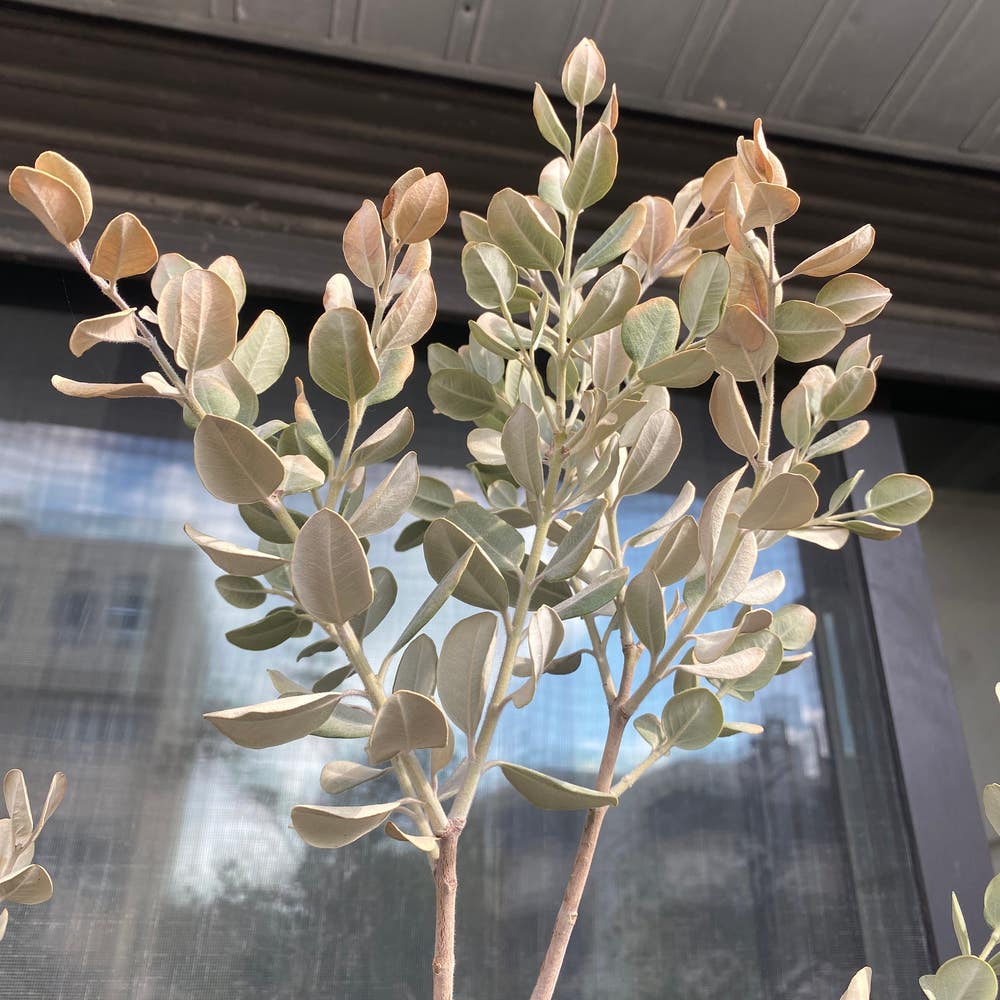
Ultimate Guide to Fixing Droopy Leaves on Rata 💧
Metrosideros tremuloides
By the Greg Editorial Team
Nov 22, 2024•6 min read
This article was created with the help of AI so we can cover more plants for you. May contain errors. See one? Report it here.
- 💧 Overwatering and underwatering both cause droopy leaves; balance is key!
- 🌡️ Ideal temperature for Rata is 15°C to 25°C (59°F to 77°F) for optimal health.
- 🌱 Well-draining soil and humidity levels of 50%-70% are essential for thriving Rata.
Causes of Droopy Leaves
💧 Overwatering and Its Effects
Overwatering is a common culprit behind droopy leaves. Symptoms include yellowing leaves, soggy soil, and root rot, which can severely impact your plant's health.
Excess moisture suffocates the roots, leading to rot and droopiness. To remedy this, allow the soil to dry out before rewatering, ensuring your Rata gets the right balance of moisture.
🚰 Underwatering and Dehydration
On the flip side, underwatering can also cause droopy leaves. Look for signs like wilting leaves, dry soil, and crispy leaf edges.
When a plant lacks sufficient water, it struggles to maintain turgor pressure, resulting in droopy foliage. To fix this, water thoroughly when the top inch of soil feels dry, giving your plant the hydration it craves.
🌡️ Environmental Stress Factors
Temperature
Temperature plays a crucial role in leaf health. The ideal range for Rata is between 15°C to 25°C (59°F to 77°F).
Extreme temperatures can lead to droopy leaves, whether from heat stress or cold shock. Keeping your plant within this range is essential for its vitality.
🌬️ Humidity
Humidity is another key factor. Rata thrives in moderate to high humidity levels, ideally between 50%-70%.
Low humidity can cause droopy leaves and leaf tip browning. If your indoor air is dry, consider ways to boost humidity around your plant.
🌱 Soil Quality and Drainage Issues
Soil quality significantly impacts your plant's health. Well-draining soil is vital to prevent waterlogging and root rot.
A recommended mix includes potting soil, perlite, and sand for optimal drainage. Watch for signs of poor drainage, such as water pooling on the surface or a foul smell emanating from the soil.
🐛 Pest Infestations and Diseases
Pests and diseases can wreak havoc on your Rata. Common pests include aphids, spider mites, and scale insects.
Symptoms of infestations include sticky residue, webbing, and visible insects on leaves. Additionally, diseases like root rot and fungal infections can lead to droopy leaves, so regular inspections are crucial to catch these issues early.
Understanding these causes will help you take proactive steps to keep your Rata healthy and vibrant. Next, we'll explore how to diagnose droopy leaves effectively.
Diagnosing Droopy Leaves
🌿 Visual Signs of Droopiness
Droopy leaves can be a clear indicator that your Rata needs attention. Look for characteristics like limpness, wilting, or curling; these are signs that something is off.
In contrast, healthy leaves should be firm and upright. If you notice a difference, it’s time to investigate further.
💧 Assessing Soil Moisture Levels
Understanding soil moisture is crucial for diagnosing droopy leaves. You can use a moisture meter or simply stick your finger into the soil to check its condition.
The ideal moisture level is moist but not soggy. If the soil feels overly wet, you may be overwatering, while dry soil indicates a need for hydration.
🐛 Checking for Pests and Diseases
Pests and diseases can also contribute to droopy leaves. Inspect your Rata by looking under the leaves and at the base of the plant for any signs of pests.
Common indicators include discoloration, mold, or unusual growths. If you spot sticky residue or webbing, pests like aphids or spider mites may be the culprits.
🌡️ Evaluating Environmental Conditions
Environmental factors play a significant role in the health of your Rata. Use a thermometer and hygrometer to assess the temperature and humidity levels around your plant.
If conditions are not ideal, consider moving your plant to a more suitable location. Ensuring your Rata is in the right environment can help prevent droopiness in the future.
Now that you know how to diagnose droopy leaves, let’s explore effective solutions to revive your Rata!
Solutions for Droopy Leaves
🌊 Adjusting Watering Practices
To combat droopy leaves, start by establishing a consistent watering schedule. Water your Rata when the top inch of soil feels dry to the touch.
Deep and even watering is crucial. This technique encourages robust root growth, helping your plant thrive.
🕳️ Improving Soil Drainage
Soil drainage is key to preventing droopy leaves. Enhance drainage by mixing in perlite or sand with your potting soil.
When repotting, always choose a pot with drainage holes. This prevents water accumulation, which can lead to root rot.
💧 Increasing Humidity Levels
Humidity plays a significant role in keeping your Rata healthy. Use a humidifier or place a tray of water near the plant to boost moisture levels.
Another effective method is to group your Rata with other humidity-loving plants. This creates a microclimate that benefits all the plants involved.
🐛 Treating Pests and Diseases
Pests and diseases can be sneaky culprits behind droopy leaves. For pest management, consider using organic methods like neem oil or insecticidal soap.
If your plant is suffering from disease, remove any affected roots and apply fungicides as needed. This proactive approach can save your plant from further damage.
✂️ Pruning Affected Leaves
Pruning is a simple yet effective solution for droopy leaves. Use clean, sharp scissors to remove any droopy or damaged foliage.
Timing is essential; prune during the growing season to encourage new growth. This not only improves the plant's appearance but also promotes overall health.
With these solutions in hand, you can effectively address droopy leaves and restore your Rata to its vibrant self. Next, let’s explore how to prevent droopy leaves from becoming a recurring issue.
Preventing Droopy Leaves
🌱 Best Practices for Care
Regular maintenance is key to keeping your Rata healthy. Monitor soil moisture, humidity, and light conditions to create an optimal environment.
A consistent fertilization schedule is also essential. Use a balanced fertilizer during the growing season to provide the nutrients your plant needs.
💧 Ideal Watering Schedule
Establishing an ideal watering schedule can prevent droopy leaves. Water your Rata every 1-2 weeks, adjusting based on environmental conditions.
During hot, dry spells, be vigilant and increase the frequency of watering. Your plant will appreciate the extra hydration.
🪴 Optimal Soil Mix
The right soil mix is crucial for your Rata's health. Aim for a combination of 50% potting soil, 30% perlite, and 20% sand.
This mix ensures proper drainage and nutrient availability, helping to prevent root rot and droopy leaves.
🌡️ Maintaining Proper Humidity and Temperature
Humidity and temperature play significant roles in plant health. Keep humidity levels between 50%-70% and temperatures within 15°C to 25°C (59°F to 77°F).
Be mindful of seasonal changes; increase humidity during winter months when indoor air tends to dry out.
🔍 Regular Monitoring for Early Signs
Regular checks can save your Rata from droopiness. Inspect your plant at least once a week for any signs of distress.
Early intervention is crucial. Addressing issues promptly can prevent further damage and keep your plant thriving.
By following these preventive measures, you can ensure your Rata remains vibrant and healthy, ready to flourish in your care. Next, let’s explore how to diagnose droopy leaves effectively.
⚠️ Safety First
This content is for general information and may contain errors, omissions, or outdated details. It is not medical, veterinary advice, or an endorsement of therapeutic claims.
Always consult a qualified healthcare professional before using any plant as food, medicine, or supplement.
Never eat any plant (or feed one to pets) without confirming its identity with at least two trusted sources.
If you suspect poisoning, call Poison Control (800) 222-1222, the Pet Poison Helpline (800) 213-6680, or your local emergency service immediately.
Spotted an error? Please report it here.
Keep your Rata thriving 🌱 by using Greg's tailored watering reminders and soil tips to prevent droopy leaves and ensure your plant stays healthy!