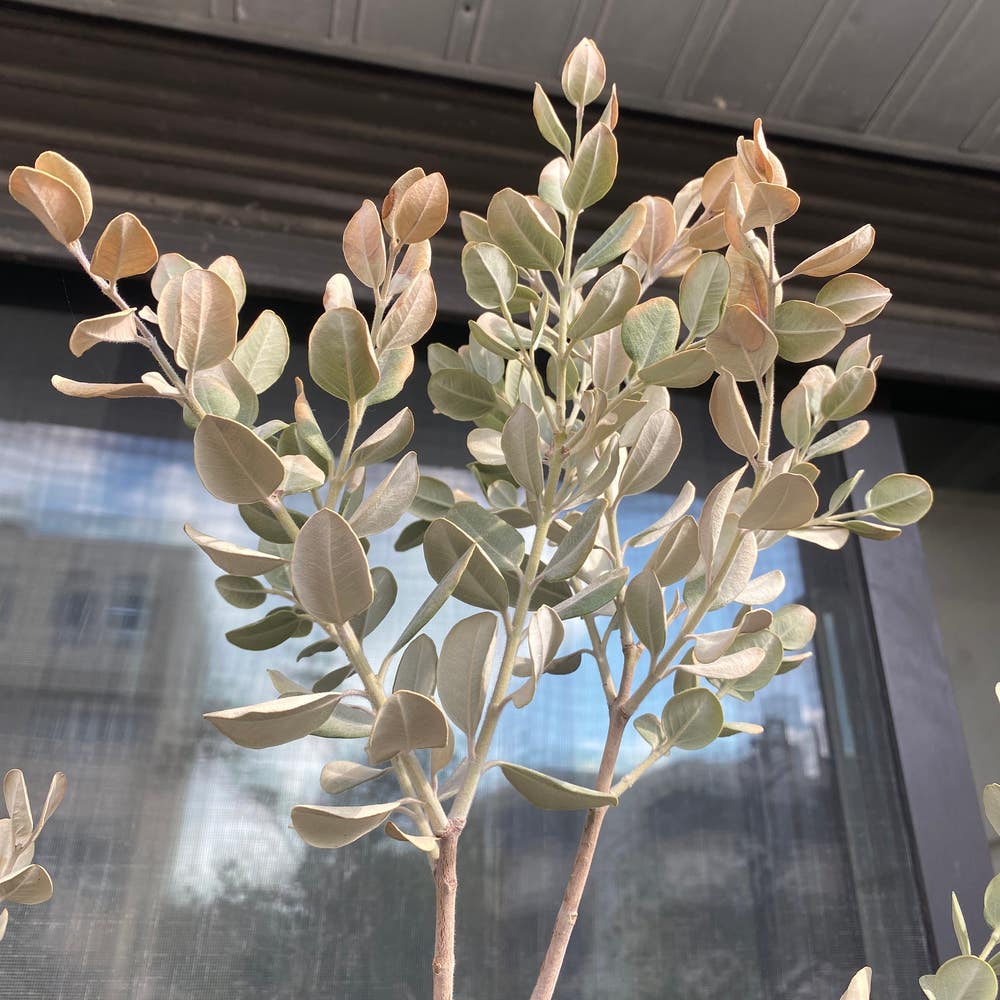
⚫ Managing Black Spots on Your Rata Leaves
Metrosideros tremuloides
By the Greg Editorial Team
Nov 22, 2024•5 min read
This article was created with the help of AI so we can cover more plants for you. May contain errors. See one? Report it here.
- 🔍 Inspect Rata leaves regularly for black spots and pests to catch issues early.
- 🌱 Improve air circulation and drainage to reduce humidity and prevent fungal growth.
- 🧴 Use natural remedies like neem oil or fungicides for effective treatment of infections.
Diagnosing Black Spots
🔍 Visual Inspection Techniques
To effectively diagnose black spots on your Rata leaves, start with a close examination. Inspect both sides of the leaves for any visible spots or pests that might be lurking.
Using a magnifying glass can be a game-changer. It helps you identify small pests or fungal spores that are otherwise easy to miss.
🌧️ Environmental Factors Contributing to Black Spots
Humidity levels play a crucial role in the health of your Rata. High humidity can create a perfect environment for fungal growth, leading to those pesky black spots.
Soil conditions are equally important. Poor drainage and compacted soil can stress the roots, making your plant more susceptible to diseases.
🐛 Common Pests That Cause Leaf Damage
Several common pests can wreak havoc on your Rata leaves.
- Aphids: Look for sticky residue and curled leaves as telltale signs.
- Spider Mites: These tiny invaders leave webbing and a stippled appearance on leaves.
- Scale Insects: They appear as hard, shell-like bumps on leaf surfaces, indicating a serious issue.
By keeping an eye out for these signs, you can catch problems early and take action before they escalate.
Understanding these diagnostic techniques and environmental factors is essential for maintaining the health of your Rata. Next, let’s explore how to treat those black spots effectively.
Treating Black Spots on Rata Leaves
🌱 Step-by-step treatment for fungal infections
Dealing with black spots on your Rata leaves? Start by removing the affected leaves. Use clean, sharp pruning shears to ensure a clean cut and minimize stress on the plant.
Next, clean the surrounding area. Dispose of any debris to prevent the spread of fungal spores and pests.
🧪 Recommended fungicides and natural remedies
When it comes to treating fungal infections, you have options. For chemical treatments, consider copper-based fungicides or systemic fungicides, which are effective in combating various fungal issues.
If you prefer natural remedies, neem oil and baking soda solutions can work wonders. These options are gentle on your plants while still providing effective treatment.
✂️ Importance of proper pruning and sanitation
Regular pruning is crucial for maintaining healthy Rata plants. It encourages air circulation and reduces humidity around the leaves, creating an environment less conducive to fungal growth.
Sanitation practices are equally important. Clean your tools after each use and remove fallen leaves to minimize the risk of disease spread. Keeping your garden tidy can make a significant difference in the health of your plants.
As you treat your Rata leaves, remember that prevention is key. Up next, we’ll explore best practices for preventing black spots from appearing in the first place.
Preventing Black Spots
🌱 Best practices for Rata care to prevent black spots
Preventing black spots on your Rata leaves starts with regular monitoring. Check for early signs of spots or pests to catch issues before they escalate.
Proper spacing between plants is equally important. This ensures adequate air circulation, reducing humidity levels that can foster fungal growth.
💧 Importance of proper watering and drainage
Watering techniques play a crucial role in plant health. Opt for deep watering less frequently to encourage strong root development.
Soil amendments can also make a significant difference. Incorporating organic matter improves drainage, helping to prevent root stress that can lead to black spots.
🍂 Seasonal care tips to minimize risk
Spring is the perfect time for preparations. Inspect your plants for any winter damage and apply preventative treatments to set them up for success.
In the fall, don't forget to clean up. Removing fallen leaves and debris minimizes the risk of overwintering pests that could harm your Rata.
By following these preventive measures, you can keep your Rata leaves healthy and vibrant. Next, let’s explore how to monitor and maintain your plants effectively.
Monitoring and Maintenance
🌿 Regular inspection routines for Rata leaves
To keep your Rata leaves healthy, establish a routine of weekly checks. During these inspections, look for new black spots, discoloration, or any signs of pests.
Seasonal assessments are also crucial, especially during high humidity months. This is when fungal issues can escalate, so a thorough inspection can help catch problems early.
👀 Signs of recovery and ongoing care
After treatment, watch for signs of recovery, such as new growth. Healthy leaves emerging indicate that your plant is bouncing back.
Additionally, reduced spotting is a positive sign. If you notice fewer or no new black spots, your care efforts are paying off.
🆘 When to seek professional help for severe cases
Sometimes, despite your best efforts, black spots persist. If this happens, it may be time to seek professional help.
Extensive damage, especially if large areas of the plant are affected or if you see signs of severe stress, warrants expert advice. Don’t hesitate to reach out; your Rata deserves the best care possible.
As you continue monitoring and maintaining your Rata, you'll be better equipped to prevent future issues and ensure a thriving plant. Next, let’s explore effective prevention strategies to keep those black spots at bay.
⚠️ Safety First
This content is for general information and may contain errors, omissions, or outdated details. It is not medical, veterinary advice, or an endorsement of therapeutic claims.
Always consult a qualified healthcare professional before using any plant as food, medicine, or supplement.
Never eat any plant (or feed one to pets) without confirming its identity with at least two trusted sources.
If you suspect poisoning, call Poison Control (800) 222-1222, the Pet Poison Helpline (800) 213-6680, or your local emergency service immediately.
Spotted an error? Please report it here.
Keep your Rata leaves spotless 🌿 by using Greg's tailored reminders and expert tips to monitor and maintain your plant's health effortlessly!