3 Ways to Protect Rata from Bugs 🐞
Metrosideros tremuloides
By the Greg Editorial Team
Nov 22, 2024•6 min read
This article was created with the help of AI so we can cover more plants for you. May contain errors. See one? Report it here.
- 🐜 Common pests like spider mites and aphids threaten Rata trees; identify them early!
- 🌱 Effective treatments include neem oil and insecticides; choose based on pest type.
- 🔍 Regular inspections and plant hygiene are key to preventing infestations and maintaining health.
Common Pests Affecting Rata
🕷️ Spider Mites
Identification
Spider mites are tiny, spider-like creatures that can be red or green. You might notice fine webbing on leaves, along with stippled or yellowing foliage.
Damage Caused
These pests significantly impact photosynthesis, leading to reduced vigor and growth. Symptoms include leaf drop and an overall decline in plant health.
Treatment Options
For chemical treatment, use miticides specifically designed for spider mites. Organic options include neem oil, insecticidal soap, and increasing humidity around the plant.
🐢 Scale Insects
Identification
Scale insects appear as small, oval-shaped pests, often waxy or sticky in texture. Look for sticky leaves, which indicate honeydew production, and black sooty mold as signs of their presence.
Damage Caused
Feeding on the plant's sap weakens it, resulting in stunted growth. Symptoms include yellowing leaves and eventual leaf drop.
Treatment Options
Chemical treatments involve systemic insecticides that target scale insects effectively. For organic solutions, consider using rubbing alcohol, horticultural oils, or introducing natural predators.
🐛 Mealybugs
Identification
Mealybugs are identifiable by their white, cottony masses found on stems and leaves. Sticky leaves and potential mold growth are common signs of infestation.
Damage Caused
These sap-sucking pests weaken the plant, often leading to wilting. You may also notice distorted growth and leaf drop as symptoms.
Treatment Options
Chemical treatments include insecticidal sprays that effectively eliminate mealybugs. Organic methods involve neem oil, insecticidal soap, and manual removal using a cotton swab.
🐜 Aphids
Identification
Aphids are small, pear-shaped insects that come in various colors, including green, black, and yellow. They often cluster on new growth and leave behind sticky residue.
Damage Caused
Feeding on sap causes curling and yellowing of leaves. Stunted growth and potential disease transmission are additional concerns.
Treatment Options
For chemical control, broad-spectrum insecticides can be effective. Organic alternatives include introducing ladybugs, using neem oil, and applying insecticidal soap.
🦋 Whiteflies
Identification
Whiteflies are tiny, moth-like insects that are white in color. They tend to fly up when disturbed and leave sticky leaves in their wake.
Damage Caused
These pests feed on sap, weakening the plant and causing leaf yellowing. Their honeydew production can also lead to sooty mold.
Treatment Options
Chemical treatments targeting whiteflies are available. For organic management, consider yellow sticky traps, neem oil, and introducing beneficial insects to your garden.
Understanding these common pests is crucial for maintaining the health of your Rata. By recognizing their signs and implementing effective treatment options, you can ensure your plants thrive despite these challenges. Next, let’s explore the natural pest resistance characteristics of Rata and how they can help mitigate these issues.
Pest Resistance of Rata
🌿 Natural Pest Resistance Characteristics
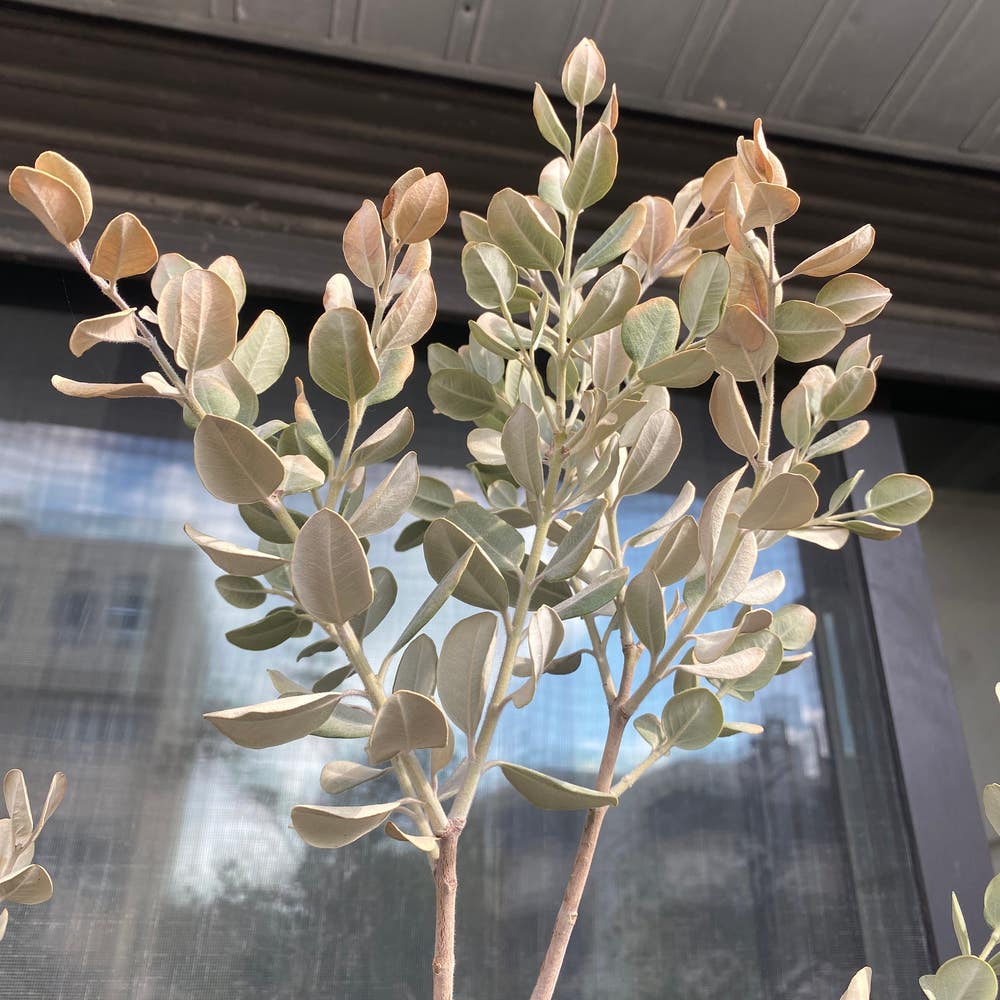
Rata trees boast thick leaves, which serve as a natural barrier against pests. This robust foliage not only deters many insects but also helps the plant withstand various environmental stresses.
Despite their hardiness, Rata can become vulnerable when stressed. Factors such as drought or nutrient deficiency can weaken their defenses, making them more susceptible to pest infestations.
🐌 Pests Less Likely to Affect Rata
While Rata trees face their share of pests, several common insects tend to avoid them. For instance, pests like slugs and snails are less likely to target Rata due to its tough leaves.
Environmental factors play a significant role in this pest resistance. Healthy soil, adequate sunlight, and proper watering can enhance the tree's resilience, making it less appealing to potential invaders.
Understanding these characteristics can empower you to cultivate a thriving Rata. By maintaining optimal conditions, you can help ensure that your tree remains strong and less prone to pest issues.
As we explore prevention strategies next, you'll discover how to keep your Rata healthy and pest-free.
Prevention Strategies
🛡️ Preventative Measures to Avoid Pest Infestations
Keeping your Rata healthy starts with regular monitoring. Check for any signs of pests or changes in plant health to catch issues early.
Creating optimal growing conditions is equally crucial. Ensure your Rata has the right light, water, and nutrients to minimize stress, making it less appealing to pests.
🧼 Plant Hygiene Tips
Maintaining clean leaves is a simple yet effective way to deter pests. Wipe down leaves to remove dust and any potential insects that might be hiding.
Proper disposal of fallen leaves and debris is essential too. This practice prevents pests from finding a cozy home near your plant.
🔍 Regular Inspection Routines
Establishing a routine for weekly checks can save your Rata from serious infestations. Look for any signs of pests or damage during these inspections.
Documenting changes in plant health is vital. Keeping a record helps you notice patterns and address issues before they escalate.
By implementing these strategies, you can create a robust defense against pests and ensure your Rata thrives. Next, we’ll explore general pest management techniques to further safeguard your plants.
General Pest Management
Integrated Pest Management (IPM) Principles for Rata 🌱
Integrated Pest Management (IPM) is a holistic approach to pest control that combines biological, cultural, and chemical practices. This method not only targets pests effectively but also minimizes harm to the environment and beneficial organisms.
Understanding pest life cycles is crucial for effective management. By knowing when pests are most vulnerable, you can time your interventions for maximum impact.
Importance of Early Detection and Intervention 🔍
Quick identification of pest issues can save your Rata from significant damage. Regular monitoring allows you to spot early signs of trouble, such as unusual leaf discoloration or sticky residue.
Timely action is key to preventing infestations from spiraling out of control. Addressing problems early can lead to healthier plants and a more vibrant garden overall.
Incorporating these pest management strategies will help ensure your Rata thrives, setting the stage for the next section on distinguishing between similar pests.
Distinguishing Between Similar Pests
Tips for Identifying Different Types of Pests That May Look Alike 🕵️♂️
Identifying pests can be tricky, especially when they share similar features. To effectively manage infestations, it's crucial to recognize the unique visual characteristics of each pest.
Spider Mites vs. Aphids
Spider mites are tiny and often red or green, while aphids are pear-shaped and can be green, black, or yellow. Look for fine webbing on leaves for spider mites, and clusters on new growth for aphids.
Mealybugs vs. Scale Insects
Mealybugs appear as white, cottony masses, whereas scale insects are small and oval-shaped, often with a waxy coating. If you notice sticky leaves, it could indicate scale insects, while mealybugs will leave behind a cotton-like residue.
Whiteflies vs. Thrips
Whiteflies are tiny and moth-like, flying up when disturbed. In contrast, thrips are slender and can be harder to spot, often causing silvering on leaves.
Importance of Accurate Identification for Effective Treatment Strategies 🔍
Accurate pest identification is essential for effective treatment. Misidentifying a pest can lead to ineffective treatments, wasting time and resources.
Understanding the specific pest allows you to choose the right control measures, whether chemical or organic. This precision not only saves your plants but also enhances your gardening experience.
By honing your identification skills, you empower yourself to tackle pest problems head-on. With the right knowledge, you can ensure your Rata thrives, free from unwanted pests.
Next, let’s explore some effective prevention strategies to keep those pests at bay!
⚠️ Safety First
This content is for general information and may contain errors, omissions, or outdated details. It is not medical, veterinary advice, or an endorsement of therapeutic claims.
Always consult a qualified healthcare professional before using any plant as food, medicine, or supplement.
Never eat any plant (or feed one to pets) without confirming its identity with at least two trusted sources.
If you suspect poisoning, call Poison Control (800) 222-1222, the Pet Poison Helpline (800) 213-6680, or your local emergency service immediately.
Spotted an error? Please report it here.
Keep your Rata thriving and pest-free 🌿 with Greg's tailored care tips and pest management strategies that empower you to tackle any bug issue head-on!