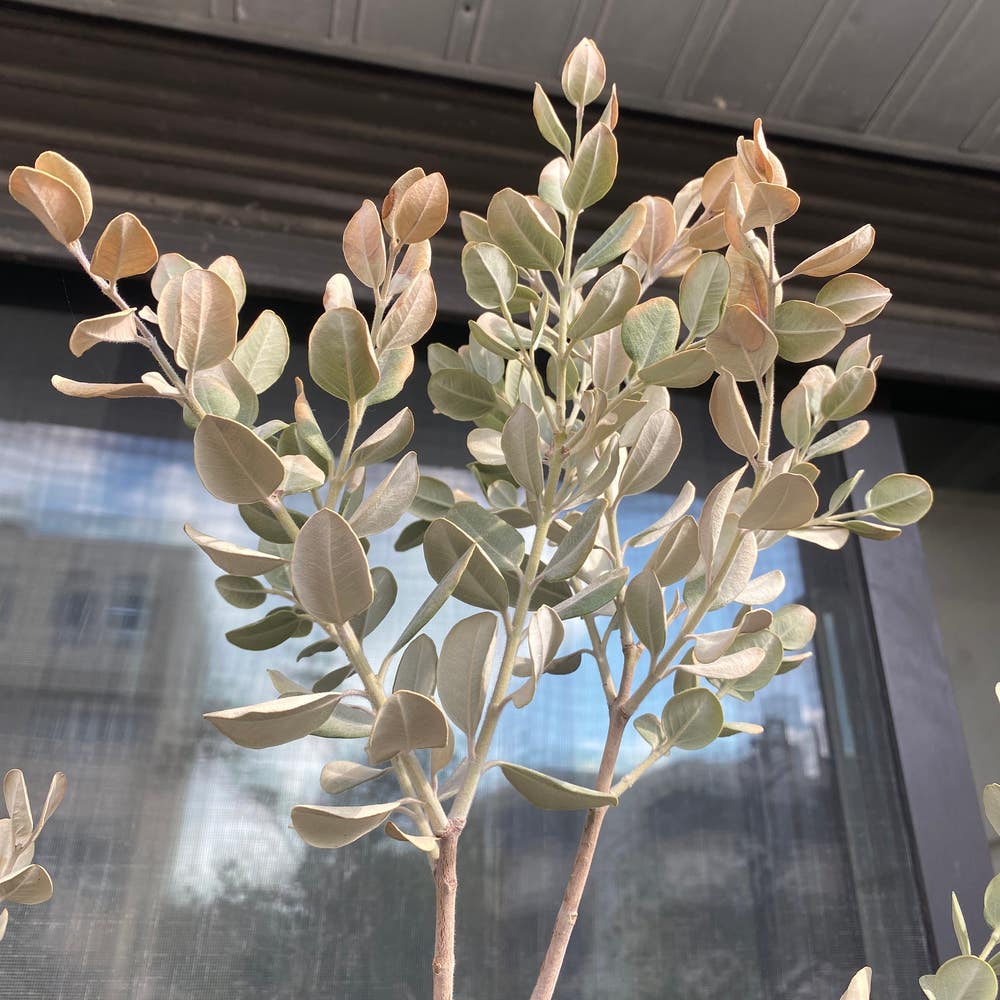
Step-by-Step Guide for When to Plant Rata
Metrosideros tremuloides
By the Greg Editorial Team
Nov 22, 2024•7 min read
This article was created with the help of AI so we can cover more plants for you. May contain errors. See one? Report it here.
- 🌡️ Frost dates are crucial for planting Rata; young plants are frost-sensitive.
- 📅 Optimal planting times vary by region; know your local climate for success.
- 🌱 Soil temperature should be 65°F to 75°F for best seed germination.
Frost Dates and Their Importance
🌡️ Determining Frost Dates
Frost dates are crucial for any gardener, marking the last frost date in spring and the first frost date in fall. Knowing these dates helps you plan your planting schedule effectively.
Rata, in particular, is sensitive to frost. Young plants can suffer damage, which stunts their growth and overall health.
By planting after the last frost date, you create a safer environment for your seedlings to thrive. This knowledge can be the difference between a flourishing garden and a disappointing yield.
Understanding frost dates is not just about timing; it's about ensuring your plants have the best chance to flourish. With this information, you can confidently embark on your planting journey.
As you prepare to plant Rata, keep in mind the importance of soil temperature and other environmental factors that will further influence your success.
Soil Temperature Considerations
🌡️ Ideal Soil Temperature for Rata
To successfully germinate Rata seeds, aim for a soil temperature between 65°F to 75°F (18°C to 24°C). This range is crucial as it directly influences the speed and success of seed germination.
Soil temperature plays a vital role in plant health. Warmer soil promotes quicker germination rates, leading to stronger seedlings. To ensure your soil is within this optimal range, consider using soil thermometers or digital probes for accurate readings.
🏗️ Preparing Soil for Planting
Preparing your soil properly sets the foundation for healthy Rata plants. Start by ensuring your soil is well-drained and enriched with organic matter, which enhances nutrient availability.
Before planting, always test the soil temperature. This simple step can save you from planting too early or too late, ensuring your Rata seeds have the best chance to thrive.
With the right soil temperature and preparation, you're well on your way to a successful planting season. Next, let’s explore how day length impacts Rata growth and the best timing for planting.
Day Length and Planting Timing
🌞 Day Length Requirements for Rata
Understanding how day length impacts Rata growth is crucial for successful planting. Longer days not only promote better growth but also enhance flowering, making it essential to plant during the right photoperiod.
Rata thrives when exposed to extended daylight hours. This means timing your planting to coincide with the increasing day length in spring can lead to healthier plants and more vibrant blooms.
When planning your planting schedule, consider the natural light patterns in your region. Aligning your planting with these patterns can significantly boost your Rata's growth potential.
In summary, pay attention to day length as you prepare to plant Rata. By planting during optimal light conditions, you set the stage for a flourishing garden.
Next, let's explore the regional planting considerations that can further refine your planting strategy.
Regional Planting Considerations
Ideal Planting Months 🌱
When it comes to planting Rata, timing is everything. Each region has its unique climate conditions that dictate the best months for planting.
Florida
In Florida, the ideal planting window is from March to April. The warm climate here means minimal frost risk, allowing for a longer growing season.
California
California presents a more varied climate, so the planting period stretches from March to May. Be mindful of local frost dates, as they can differ significantly across the state.
Texas
Texas also enjoys a favorable climate for Rata, with the best planting months being March to April. However, keep an eye on regional frost dates, as they can vary widely.
New York
For New York, the planting window is a bit later, from late May to early June. This timing is crucial to ensure a longer frost-free period for your Rata.
Colorado
In Colorado, you should aim for late May to early June as well. The high elevation can lead to late frost risks, so patience is key.
Ohio
Finally, Ohio offers a moderate climate, making late April to early May the best time for planting. Again, frost considerations are important here.
Understanding these regional planting months will help you optimize your Rata growth. With the right timing, you can set your plants up for success and enjoy a bountiful harvest.
Next, let’s explore seed starting techniques to further enhance your planting strategy.
Seed Starting Techniques
🌱 Indoor Seed Starting vs. Direct Sowing
When it comes to starting Rata, you have two main options: indoor seed starting and direct sowing. Indoor seed starting offers the advantage of earlier growth and protection from frost, allowing your seedlings to thrive before facing outdoor conditions.
On the other hand, direct sowing is all about simplicity. It reduces transplant shock, making it easier for your plants to establish themselves in their permanent home.
⏰ Timing Considerations for Starting Seeds Indoors
For the best results, aim to start your seeds indoors 6-8 weeks before the last frost date. This timing gives your Rata seedlings a head start, ensuring they are ready to flourish when the weather warms up.
Don't forget to acclimatize your seedlings before transplanting them outdoors. Gradually introducing them to the elements helps them adjust and thrive in their new environment.
🌾 Best Practices for Direct Sowing Rata
Successful direct sowing hinges on a few key guidelines. First, ensure your soil is well-prepared and check the temperature to create the ideal conditions for germination.
Timing is crucial, so base your sowing schedule on local frost dates and current soil conditions. This approach maximizes your chances of a healthy, vibrant Rata crop.
With these techniques in mind, you're well on your way to cultivating beautiful Rata plants. Next, let's explore the optimal planting calendar tailored for all 52 states, ensuring you know exactly when to plant for the best results.
Comprehensive Planting Calendar
🌱 Optimal Planting Times for All 52 States
Knowing when to plant Rata can make all the difference in your gardening success. Below is a detailed list of recommended planting times for each state, ensuring you maximize your chances of a thriving crop.
| State | Recommended Planting Time |
|---|---|
| Florida | March to April |
| California | March to May |
| Texas | March to April |
| New York | Late May to early June |
| Colorado | Late May to early June |
| Ohio | Late April to early May |
⏰ Key Factors Influencing Planting Times
Several factors can influence these planting times, including:
- Climate Zone: Different regions have varying climates that affect frost dates and growing seasons.
- Frost Dates: Knowing the last frost date in spring and the first frost date in fall is crucial for timing your planting.
- Soil Temperature: Rata thrives in soil temperatures between 65°F to 75°F (18°C to 24°C), so ensure your soil is warm enough before planting.
Understanding these factors will help you choose the best time to plant Rata in your area. By aligning your planting schedule with local conditions, you set the stage for a successful growing season.
As you prepare to plant, remember that timing is everything. Next, we’ll explore effective seed starting techniques to give your Rata the best possible start.
⚠️ Safety First
This content is for general information and may contain errors, omissions, or outdated details. It is not medical, veterinary advice, or an endorsement of therapeutic claims.
Always consult a qualified healthcare professional before using any plant as food, medicine, or supplement.
Never eat any plant (or feed one to pets) without confirming its identity with at least two trusted sources.
If you suspect poisoning, call Poison Control (800) 222-1222, the Pet Poison Helpline (800) 213-6680, or your local emergency service immediately.
Spotted an error? Please report it here.
Maximize your Rata garden's potential 🌱 by mastering frost dates and soil temperatures, and let Greg's personalized planting calendar guide you to the perfect planting window!