3 Common Rata Flowering Issues 🌸
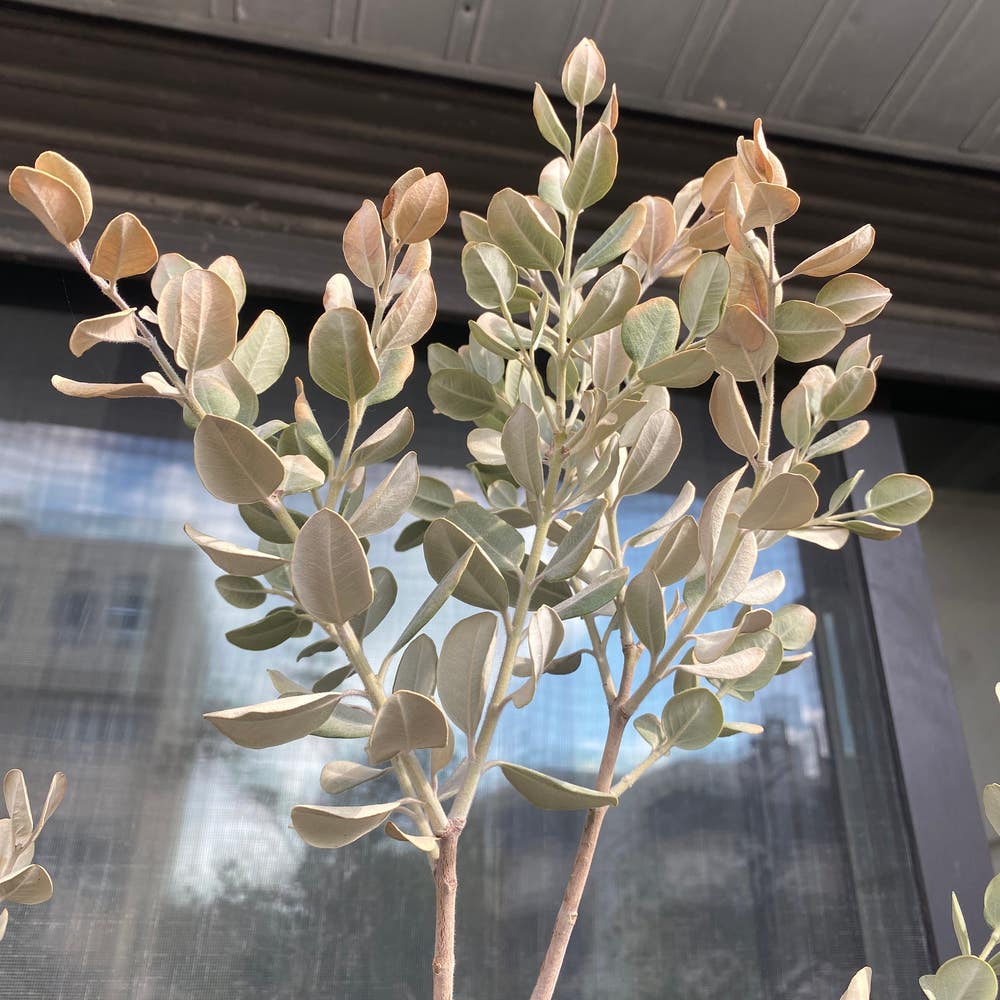
Metrosideros tremuloides
By the Greg Editorial Team
Nov 22, 2024•5 min read
This article was created with the help of AI so we can cover more plants for you. May contain errors. See one? Report it here.
- 🌞 Rata plants need 6-8 hours of sunlight daily for optimal blooming.
- 🌱 Nutritional deficiencies in nitrogen, phosphorus, and potassium hinder flowering.
- 💧 Overwatering causes flower drop; maintain a consistent watering schedule.
Failure to Bloom
🌞 Potential Causes
Light Requirements
Insufficient light exposure can significantly hinder the blooming process of Rata. These plants thrive on sunlight, so providing adequate light is crucial for optimal flower development.
Nutritional Deficiencies
A lack of essential nutrients, particularly nitrogen, phosphorus, and potassium (N-P-K), can lead to flowering failure. Ensuring your Rata gets the right nutrients is key to encouraging those beautiful blooms.
Environmental Stress
Environmental factors such as extreme temperatures or poor soil conditions can negatively impact the bloom cycle. Stress from these conditions can prevent your Rata from flowering altogether.
💡 Solutions
Adjusting Light Exposure
To encourage blooming, ensure your Rata receives at least 6-8 hours of direct sunlight daily. If your plant isn’t getting enough light, consider relocating it to a sunnier spot.
Fertilization Tips
Using a balanced fertilizer with a higher phosphorus content can promote blooming. Apply this fertilizer during the growing season, following the recommended schedule to meet your Rata's nutritional needs.
By addressing these potential causes and implementing these solutions, you can help your Rata flourish and bloom beautifully. Next, let’s explore the issue of premature flower drop and how to prevent it.
Premature Flower Drop
🌊 Potential Causes
Overwatering
Overwatering is a common culprit behind premature flower drop in Rata plants. Excess moisture can lead to root rot, which weakens the plant and causes flowers to fall off before they fully develop.
Temperature Fluctuations
Sudden changes in temperature can also stress your Rata, leading to bud drop. Keeping the plant in a stable environment is crucial for maintaining its health and flower retention.
🛠️ Solutions
Watering Techniques
To combat overwatering, implement a consistent watering schedule. Allow the top inch of soil to dry out between waterings to ensure your Rata gets the right amount of moisture.
Soil Considerations
Using well-draining soil is essential to prevent water accumulation. This helps maintain healthy roots and supports blooming.
Temperature Control
Protect your Rata from extreme temperature changes by placing it in a stable environment. Consistent conditions will help the plant thrive and keep those blooms intact.
Mulching Benefits
Consider using mulch to help regulate soil temperature and moisture levels. This simple addition can create a more favorable growing environment for your Rata.
By addressing these potential causes and implementing effective solutions, you can significantly reduce the risk of premature flower drop. Next, let’s explore abnormal flower development and how to ensure your Rata produces beautiful blooms.
Abnormal Flower Development
🌱 Potential Causes
Pest Infestations
Pests like aphids and spider mites can wreak havoc on Rata flowers. They damage buds and flowers, leading to abnormal development that can be frustrating for any plant lover.
Nutrient Deficiencies
Nutrient imbalances can also play a significant role in abnormal flower growth. Without the right levels of essential nutrients, Rata may produce poor-quality blooms or exhibit unusual growth patterns.
🛠️ Solutions
Identifying Pests
To tackle pest issues, regularly inspect your Rata for signs of infestations. Look for discolored leaves or webbing, which can indicate a problem.
Organic Pest Control
If you spot pests, consider using organic methods like insecticidal soap or neem oil. These solutions can effectively manage infestations without harming your plant.
Correcting Nutrient Imbalances
Conducting a soil test is crucial for understanding your plant's nutrient levels. This will help you amend the soil appropriately to support healthy flower development.
Adjusting Fertilization Practices
Make sure to adjust your fertilization practices based on the soil test results. Providing Rata with the necessary nutrients will encourage robust and vibrant blooms.
By addressing these potential causes and implementing effective solutions, you can help your Rata thrive and produce beautiful flowers. Next, let’s explore the factors affecting flowering, including light requirements and nutritional needs.
Factors Affecting Flowering
🌞 Light Requirements
Importance of Adequate Light for Blooming
Light exposure is crucial for Rata flowers to thrive. Without sufficient sunlight, the plant struggles to produce blooms, leading to disappointment for any gardener.
Signs of Insufficient Light
If you notice yellowing leaves or leggy growth, your Rata may not be getting enough light. These signs are clear indicators that it's time to reassess its location.
🍽️ Nutritional Needs
Key Nutrients for Flowering
Rata plants require a balanced intake of nitrogen, phosphorus, and potassium (N-P-K) for optimal blooming. These nutrients play a vital role in flower production and overall plant health.
Fertilization Schedule for Optimal Blooms
To ensure your Rata flourishes, follow a tailored fertilization schedule. Apply a balanced fertilizer during the growing season, focusing on higher phosphorus content to encourage vibrant blooms.
✂️ Pruning Techniques
How Pruning Affects Flower Production
Pruning is not just about aesthetics; it significantly impacts flower production in Rata. Proper pruning encourages new growth, which can lead to more abundant blooms.
Best Practices for Pruning Rata to Encourage Blooms
To maximize flowering potential, prune your Rata after the blooming season. Remove dead or weak branches to promote healthy growth and ensure your plant is ready for the next flowering cycle.
Understanding these factors can help you create the ideal environment for your Rata to flourish. With the right light, nutrients, and pruning techniques, you'll be well on your way to enjoying a stunning display of flowers.
⚠️ Safety First
This content is for general information and may contain errors, omissions, or outdated details. It is not medical, veterinary advice, or an endorsement of therapeutic claims.
Always consult a qualified healthcare professional before using any plant as food, medicine, or supplement.
Never eat any plant (or feed one to pets) without confirming its identity with at least two trusted sources.
If you suspect poisoning, call Poison Control (800) 222-1222, the Pet Poison Helpline (800) 213-6680, or your local emergency service immediately.
Spotted an error? Please report it here.
Help your Rata plants bloom vibrantly 🌺 by using Greg's tailored watering reminders and fertilization tips to create the ideal care routine they need to thrive!