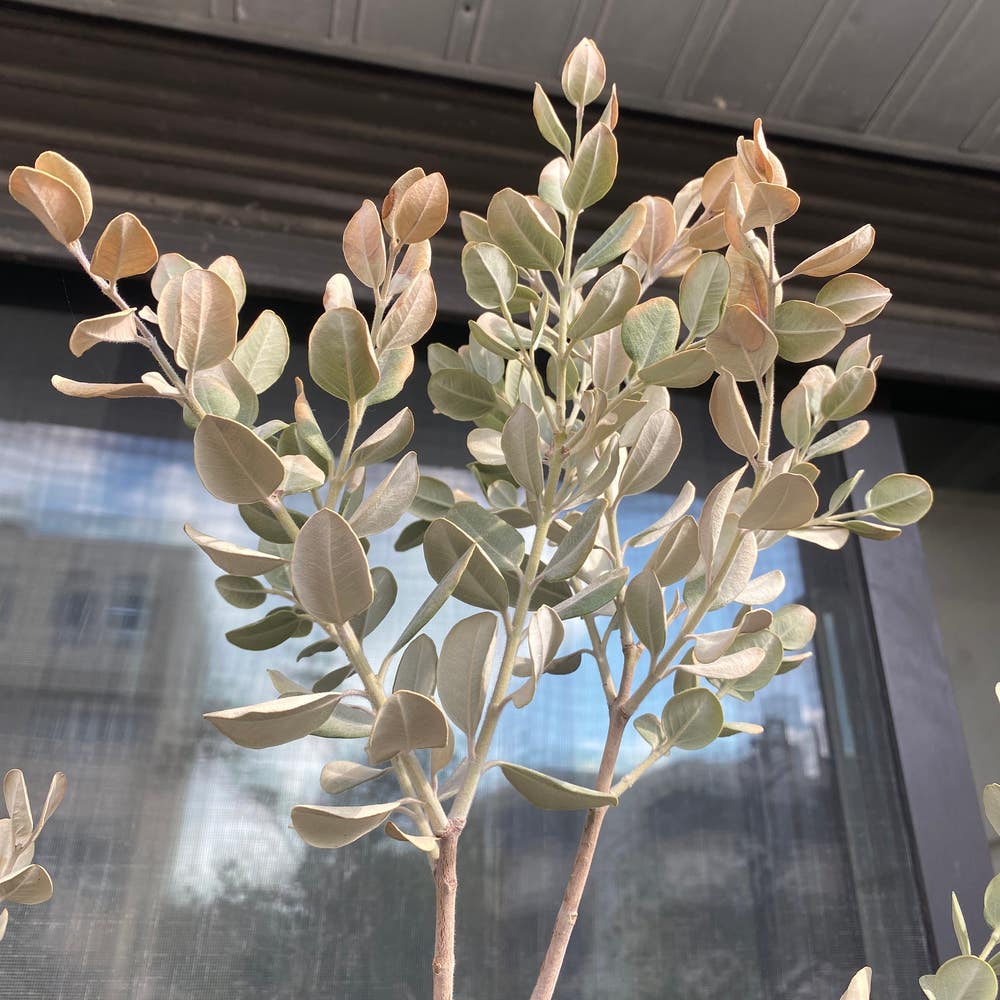
🔍 Understanding Brown Spots on Your Rata Leaves
Metrosideros tremuloides
By the Greg Editorial Team
Nov 22, 2024•6 min read
This article was created with the help of AI so we can cover more plants for you. May contain errors. See one? Report it here.
- 🌞 Brown spots arise from light, humidity, and temperature stress on Rata leaves.
- 🦠 Fungal infections and pests are common culprits; monitor for early signs.
- 💧 Proper watering and drainage prevent root rot and promote healthy Rata growth.
Causes of Brown Spots
🌍 Environmental Stress Factors
Brown spots on your Rata leaves can often be traced back to environmental stress. Light conditions play a crucial role; excessive direct sunlight can scorch the leaves, leading to unsightly brown patches. Conversely, insufficient light weakens the plant, making it more vulnerable to diseases.
Humidity levels are another factor to consider. Low humidity can dehydrate leaves, resulting in brown tips and spots. On the flip side, high humidity can create a breeding ground for fungal infections.
Temperature fluctuations also contribute to leaf discoloration. Extreme temperatures, whether hot or cold, can stress the plant. Ideally, Rata thrives in temperatures ranging from 15°C to 25°C (59°F to 77°F).
🥦 Nutrient Deficiencies
Nutrient deficiencies can manifest as brown spots on your Rata leaves. A nitrogen deficiency is particularly concerning, as it leads to yellowing leaves accompanied by brown spots and stunted growth. Nitrogen is vital for overall plant health, so addressing this deficiency is crucial.
Another key nutrient is potassium. A potassium deficiency may cause marginal leaf browning and necrosis. Potassium plays a significant role in water regulation and disease resistance, making it essential for your plant's vitality.
🍄 Fungal Infections
Fungal infections are a common culprit behind brown spots. Leaf spot diseases, such as Alternaria and Cercospora, often affect Rata. These infections typically present as circular brown spots with yellow halos, signaling a need for immediate attention.
Conditions that promote fungal growth include overwatering and poor air circulation. Ensuring well-drained soils is essential to prevent these issues and keep your Rata healthy.
🐛 Pest Infestations
Pest infestations can also lead to brown spots on Rata leaves. Common pests include spider mites, which leave behind webbing and stippled leaves, and aphids, which cause curled leaves and sticky residue.
The impact of these pests on leaf health can be significant. Feeding damage not only leads to brown spots but also contributes to an overall decline in plant vigor. Regular monitoring and prompt action are key to keeping your Rata thriving.
Understanding these causes is the first step in addressing brown spots on your Rata leaves. Next, we’ll explore how to diagnose these issues effectively.
Diagnosing Brown Spots
🕵️ Identifying the Type of Brown Spots
When diagnosing brown spots on your Rata leaves, start by examining their size and shape. You may notice small, pinpoint spots or larger, irregular patches that can indicate different issues.
Next, consider the location of these spots on the leaf. Are they concentrated at the tips and edges, or are they randomly distributed across the leaf surface? This can provide clues about the underlying cause.
🔍 Differentiating Between Environmental and Biological Causes
To differentiate between environmental stress and biological causes, observe the patterns of the brown spots. Environmental stress typically presents uniformly across leaves, while diseases often show irregular patterns.
Timing is also crucial. Seasonal changes may lead to environmental stress, while persistent brown spots could suggest a more serious disease issue. Keep an eye on when these spots appear to help narrow down the cause.
🌱 Assessing Overall Plant Health and Growth Conditions
Assessing the overall health of your Rata is essential. Check for additional symptoms like leaf drop, stunted growth, or discoloration in other parts of the plant. These signs can indicate broader health issues.
Finally, evaluate your care practices. Have there been recent changes in watering, fertilization, or environmental conditions? Understanding these factors can help you pinpoint the cause of the brown spots and guide you toward effective solutions.
With a clear diagnosis in hand, you can move on to treatment options that will restore your Rata's health and beauty.
Treatment Options
🌱 Organic Treatments for Fungal Infections
Fungal infections can be a real headache for your Rata leaves, but organic treatments can help. One effective method is using neem oil.
Neem Oil Application
To apply neem oil, mix it with water and spray it directly onto the affected leaves. For best results, repeat this every 7-14 days until you see improvement.
Baking Soda Solution
Another option is a baking soda solution. Simply mix 1 tablespoon of baking soda in 1 gallon of water and spray it on the leaves to help prevent fungal growth.
🧪 Chemical Treatments and Fungicides
If organic methods don't do the trick, you might consider chemical treatments. Certain fungicides are specifically formulated for Rata.
Recommended Fungicides
Look for fungicides with active ingredients like copper-based compounds or systemic fungicides. Always follow the manufacturer’s instructions for dosage and frequency to ensure safety and effectiveness.
🐛 Pest Control Methods
Pests can also contribute to brown spots on your Rata leaves. Effective pest control is crucial for maintaining plant health.
Insecticidal Soaps
Insecticidal soaps are a great option for managing pests. Spray them directly on the pests, making sure to cover them thoroughly. The best time to apply is early in the morning or late in the evening to avoid harming beneficial insects.
Neem Oil for Pest Management
Neem oil can also be used for pest control. Apply it every 2-3 weeks during the pest season to keep infestations at bay.
🔧 Adjusting Care Practices
Sometimes, the best treatment is a change in care practices. Small adjustments can make a big difference in your Rata's health.
Watering Adjustments
Ensure your soil is moist but not waterlogged. Checking drainage is essential to prevent root rot and other issues.
Fertilization Schedule
Using a balanced fertilizer during the growing season can help address nutrient deficiencies. This simple step can significantly improve your plant's resilience against stressors.
By implementing these treatment options, you can effectively manage brown spots on your Rata leaves. Next, let’s explore preventive measures to keep your plant healthy and thriving.
Preventive Measures
Best Practices for Rata Care to Prevent Brown Spots 🌱
To keep your Rata healthy and free from brown spots, start by regularly assessing light and humidity conditions. Adjust the plant's placement as the seasons change to ensure it receives the right amount of light.
Proper watering and drainage are also crucial. Always use pots with drainage holes to prevent standing water, which can lead to root rot and other issues.
Importance of Regular Monitoring for Pests and Diseases 🔍
Weekly inspections of your Rata can make a significant difference. Look for signs of pests or fungal infections, as early detection is key to effective management.
If you spot any issues, address them promptly to prevent further spread. A proactive approach can save your plant from serious damage.
Seasonal Care Adjustments to Minimize Stress 🌦️
Seasonal changes require different care strategies. In winter, protect your Rata from frost and extreme cold to ensure it remains healthy.
During the summer, provide shade during peak sunlight hours. This simple adjustment can help prevent leaf scorch and keep your plant thriving.
By implementing these preventive measures, you can enjoy a vibrant Rata with minimal brown spots. Next, let’s explore how to diagnose brown spots effectively.
⚠️ Safety First
This content is for general information and may contain errors, omissions, or outdated details. It is not medical, veterinary advice, or an endorsement of therapeutic claims.
Always consult a qualified healthcare professional before using any plant as food, medicine, or supplement.
Never eat any plant (or feed one to pets) without confirming its identity with at least two trusted sources.
If you suspect poisoning, call Poison Control (800) 222-1222, the Pet Poison Helpline (800) 213-6680, or your local emergency service immediately.
Spotted an error? Please report it here.
Combat those pesky brown spots on your Rata leaves with Greg's tailored care tips 🌱, ensuring your plant stays healthy and resilient against stressors and pests!