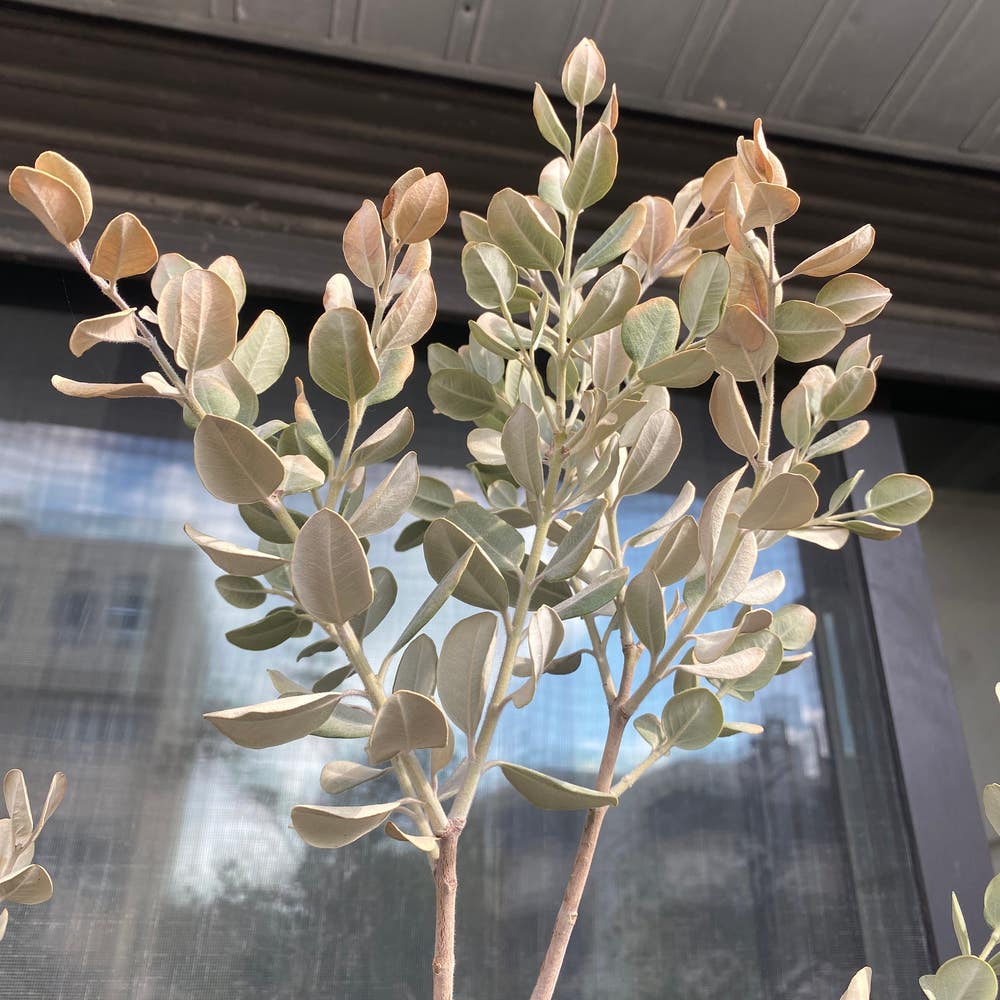
Best Temperature Conditions for Rata 🌡️
Metrosideros tremuloides
By the Greg Editorial Team
Nov 22, 2024•4 min read
This article was created with the help of AI so we can cover more plants for you. May contain errors. See one? Report it here.
- 🌡️ Rata plants suffer from temperature stress due to extreme heat or cold.
- 🌞 Heat stress signs include wilting leaves and reduced flowering; act quickly!
- 🌬️ Cold stress symptoms are leaf drop and stunted growth; monitor conditions closely.
Temperature Stress in Rata
🌡️ Signs of Temperature Stress
Temperature stress can manifest in various ways, impacting the health of your Rata plants.
Symptoms of Heat Stress
When Rata plants experience heat stress, you may notice wilting leaves, leaf scorch, and a significant reduction in flowering. These signs indicate that the plant is struggling to cope with excessive heat.
Symptoms of Cold Stress
Conversely, cold stress presents itself through leaf drop, stunted growth, and darkened foliage. These symptoms suggest that the plant is not thriving in low temperatures.
🔍 Causes of Temperature Stress
Understanding the causes of temperature stress is crucial for effective management.
Prolonged Exposure to Unfavorable Temperatures
One primary cause is prolonged exposure to temperatures outside the optimal range for Rata. This can lead to significant stress and hinder growth.
Environmental Factors
Additionally, environmental factors play a role in temperature extremes. Urban heat islands, microclimates, and poor site selection can exacerbate these conditions, making it essential to consider your planting environment.
🚀 Recovery Strategies for Stressed Rata Plants
If your Rata plants are showing signs of stress, there are immediate and long-term strategies to help them recover.
Immediate Actions
To alleviate stress quickly, provide shade during heat waves and insulate the roots during cold snaps. These actions can help protect your plants from further damage.
Long-Term Strategies
For lasting resilience, focus on selecting appropriate planting sites and companion plants. This proactive approach can enhance your Rata plants' ability to withstand temperature fluctuations.
By recognizing the signs of temperature stress and implementing effective recovery strategies, you can ensure your Rata plants thrive in varying conditions. Next, we'll explore temperature management techniques to maintain optimal conditions for your plants.
Temperature Management Techniques
🌡️ Methods to Maintain Optimal Temperature for Rata
Maintaining the right temperature for Rata plants is crucial for their health and growth. Here are some effective methods to achieve this:
Shade Cloths and Protective Structures
Using shade cloths can significantly reduce heat stress during hot days. These structures provide essential protection from direct sunlight, helping to keep the plants cool.
Mulching Techniques
Mulching is another effective strategy to regulate soil temperature. A layer of organic material not only retains moisture but also insulates the soil, preventing extreme temperature fluctuations.
Strategic Planting Locations
Choosing the right planting location can optimize natural temperature conditions. Look for areas that offer some shade during the hottest parts of the day or are shielded from cold winds.
🛠️ Tools and Products for Temperature Regulation
To effectively manage temperature, several tools and products can be invaluable.
Thermometers and Temperature Sensors
Investing in thermometers and temperature sensors allows for accurate monitoring of your Rata plants' environment. This data helps you make informed decisions about when to take action.
Automated Systems for Temperature Control
Automated systems in greenhouses can help maintain optimal temperatures effortlessly. These systems adjust conditions based on real-time data, ensuring your plants thrive.
Recommended Products for Insulating and Shading
Consider using products specifically designed for insulating and shading Rata plants. These can include thermal blankets or specialized shade cloths that enhance temperature control.
By implementing these temperature management techniques, you can create a more stable environment for your Rata plants. This proactive approach not only supports their growth but also enhances their resilience against temperature stress.
Next, we will explore the role of humidity in temperature management for Rata, highlighting its importance in creating the ideal growing conditions.
Brief Mention of Humidity
🌬️ Role of Humidity in Temperature Management for Rata
Humidity plays a crucial role in how temperature affects Rata plants. High humidity can help mitigate the impact of heat stress by reducing evaporation rates, while low humidity can exacerbate temperature extremes.
Maintaining balanced humidity levels is essential for optimal growth conditions. When humidity is too low, Rata plants may struggle to retain moisture, leading to wilting and stress. Conversely, excessive humidity can create a breeding ground for fungal diseases.
Understanding this balance is key to nurturing healthy Rata plants. By monitoring both temperature and humidity, you can create an environment that supports their growth and resilience.
As you consider the broader aspects of temperature management, remember that humidity is a vital piece of the puzzle. It’s not just about keeping temperatures in check; it’s about creating a holistic environment that fosters thriving plants.
Next, we’ll explore effective temperature management techniques to ensure your Rata plants flourish in any climate.
⚠️ Safety First
This content is for general information and may contain errors, omissions, or outdated details. It is not medical, veterinary advice, or an endorsement of therapeutic claims.
Always consult a qualified healthcare professional before using any plant as food, medicine, or supplement.
Never eat any plant (or feed one to pets) without confirming its identity with at least two trusted sources.
If you suspect poisoning, call Poison Control (800) 222-1222, the Pet Poison Helpline (800) 213-6680, or your local emergency service immediately.
Spotted an error? Please report it here.
Keep your Rata thriving 🌡️ by using Greg's tailored temperature monitoring and care tips to combat heat and cold stress effectively!