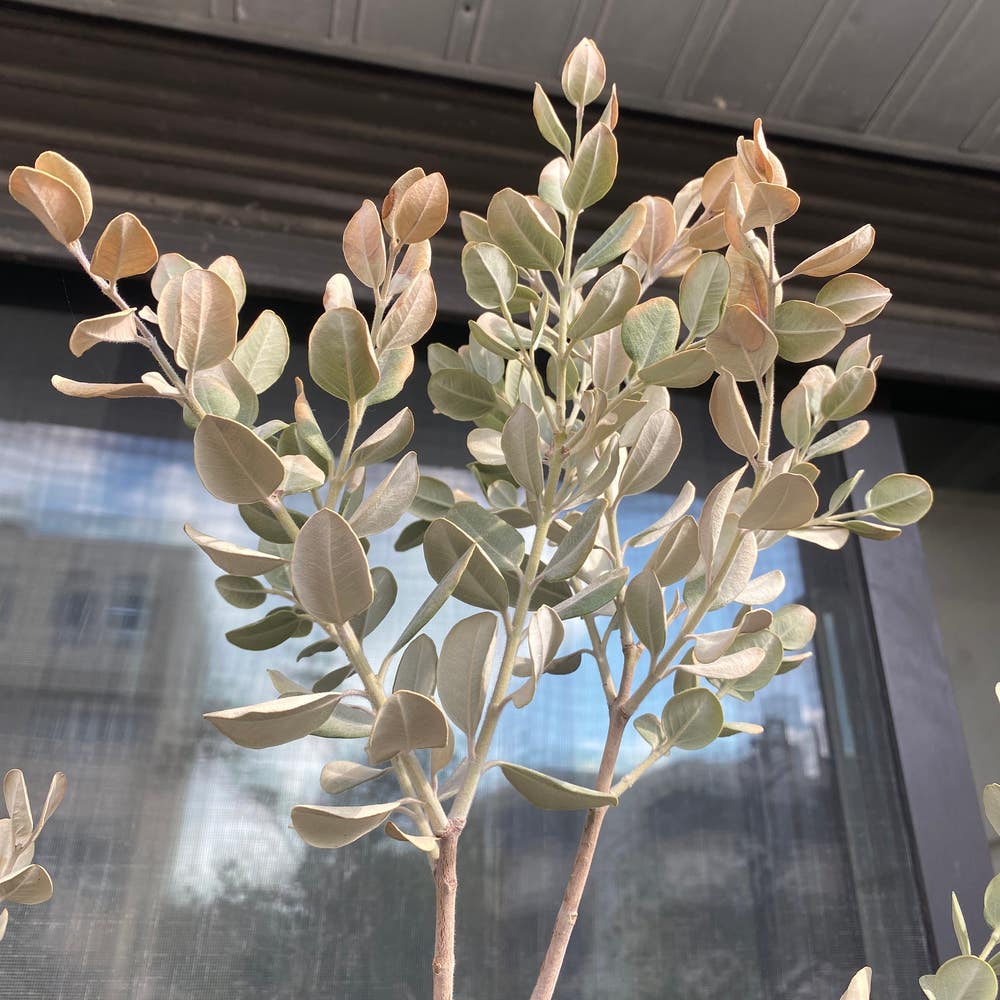
10 Tips for Light Requirements for Your Rata ☀️
Metrosideros tremuloides
By the Greg Editorial Team
Nov 22, 2024•4 min read
This article was created with the help of AI so we can cover more plants for you. May contain errors. See one? Report it here.
- 🌞 Position Rata near east/west windows for optimal light exposure indoors.
- 💡 Use full-spectrum LED grow lights if natural light is insufficient for your Rata.
- 🌱 Monitor light changes seasonally to ensure your Rata thrives year-round.
Indoor Light Guidance
Best Indoor Light Conditions 🌞
To keep your Rata thriving, optimal light exposure is key. Position your plant near east or west-facing windows to maximize its light intake.
Bright indirect light is also crucial. Aim for 6-8 hours of filtered sunlight daily to ensure your Rata flourishes.
Use of Grow Lights 💡
When natural light falls short, grow lights can be a game-changer. They provide consistent light conditions, especially beneficial in low-light environments.
For the best results, opt for full-spectrum LED grow lights. These lights offer a balanced spectrum that mimics natural sunlight.
Placement is important too. Position your grow lights 12-24 inches above the plant, adjusting as necessary to maintain optimal light exposure.
With the right indoor light conditions, your Rata will not only survive but thrive, setting the stage for vibrant growth and blooming. Next, let’s explore outdoor light guidance to further enhance your plant care strategy.
Outdoor Light Guidance
Ideal Outdoor Light Exposure 🌞
Rata plants flourish in full sun, requiring at least 6 hours of direct sunlight daily. This is especially crucial in cooler climates where the sun's warmth is vital for their growth.
In coastal areas, bright indirect light can be just as beneficial. Here, the intense sunlight can be filtered through other plants or structures, providing a gentler light that still supports healthy growth.
Seasonal Light Changes and Their Impact 🌱
As seasons shift, so do light conditions. It's essential to monitor these changes and adjust your Rata's placement to ensure it receives the optimal amount of sunlight.
Increased light during spring and summer can significantly enhance growth and flowering potential. By positioning your Rata to soak up the sun during these vibrant months, you’ll encourage a more robust and colorful display.
Understanding these outdoor light requirements will help you nurture your Rata effectively. Next, we’ll explore how light influences flowering and the overall health of your plant.
Flowering and Light
How Light Affects Flowering 🌼
Light plays a crucial role in the flowering process of your Rata. Generally, more light exposure leads to increased flowering, making it essential to provide adequate lighting conditions.
Consistency is key when it comes to light. Fluctuations in light can disrupt bloom timing and reduce the quantity of flowers produced.
To maximize flowering potential, ensure your Rata receives stable light conditions throughout its growth cycle. This will not only enhance the beauty of your plant but also contribute to its overall health and vitality.
In summary, prioritize consistent and adequate light exposure for your Rata to enjoy a vibrant display of blooms.
Transitioning to Common Light-Related Issues 💡
Understanding how light affects flowering sets the stage for recognizing potential light-related issues. Next, we’ll explore the signs of insufficient and excessive light, helping you keep your Rata thriving.
Common Light-Related Issues
🌱 Signs of Insufficient Light
If your Rata is struggling, it might be due to insufficient light. Look for signs like leggy growth, where the stems stretch out in search of light, pale leaves that lack vibrancy, and reduced flowering, indicating the plant isn't thriving.
To remedy this, consider moving your Rata to a brighter location. Supplementing with grow lights can also provide the necessary boost, ensuring your plant gets the light it craves.
☀️ Signs of Too Much Light
On the flip side, too much light can be just as detrimental. Symptoms include leaf scorch, where the leaves develop brown, crispy edges, and wilting, signaling that your plant is overwhelmed by the intensity.
If you notice these signs, it's time to take action. Providing shade or relocating your Rata to a less intense light area can help restore balance and keep your plant healthy.
Understanding these light-related issues is crucial for maintaining a thriving Rata. With the right adjustments, you can ensure your plant flourishes beautifully.
Tips for Adjusting Light Conditions
Moving Rata Plants for Optimal Light 🌞
Seasonal changes can significantly impact your Rata's light needs. As the sun's position shifts throughout the year, be ready to relocate your plants to ensure they receive adequate light exposure.
When moving Rata between indoor and outdoor settings, consider the differences in light intensity. Indoor light can be softer, while outdoor light is often more direct and intense, especially during peak hours.
Using Reflectors or Light Shelves Indoors 💡
To enhance light distribution for your Rata, consider using reflective surfaces. Mirrors or aluminum foil can bounce light back to your plants, maximizing their exposure without needing to move them.
Light shelves are another fantastic option. By installing shelves, you can create multiple levels of light exposure, allowing several plants to thrive in a compact space. This setup not only optimizes light but also adds a stylish touch to your indoor garden.
With these adjustments, your Rata will flourish, ensuring vibrant growth and stunning blooms. Next, let’s explore how light affects flowering in your plants.
⚠️ Safety First
This content is for general information and may contain errors, omissions, or outdated details. It is not medical, veterinary advice, or an endorsement of therapeutic claims.
Always consult a qualified healthcare professional before using any plant as food, medicine, or supplement.
Never eat any plant (or feed one to pets) without confirming its identity with at least two trusted sources.
If you suspect poisoning, call Poison Control (800) 222-1222, the Pet Poison Helpline (800) 213-6680, or your local emergency service immediately.
Spotted an error? Please report it here.
Ensure your Rata thrives with optimal light exposure 🌞 by using Greg's tailored tips and reminders to create the perfect environment for blooming success!