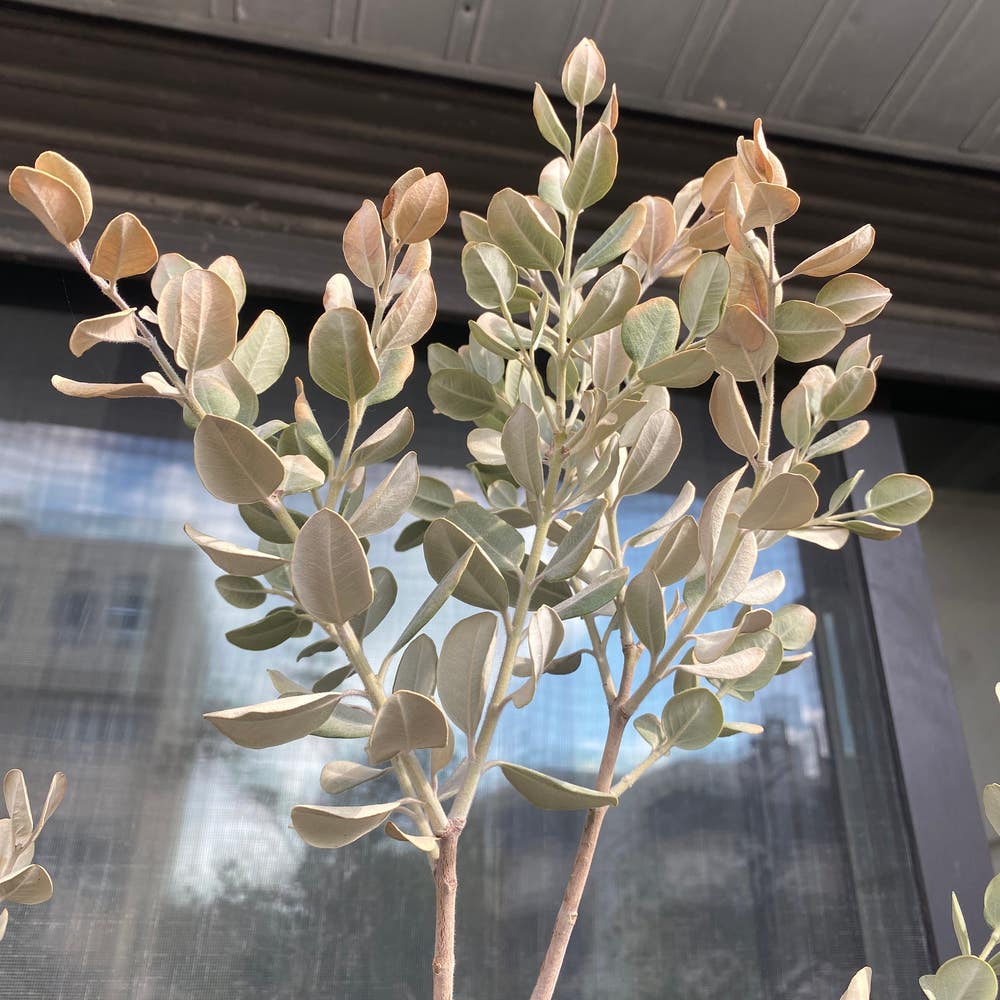
🌱 How to Cure Leaves Falling Over on Your Rata
Metrosideros tremuloides
By the Greg Editorial Team
Nov 22, 2024•5 min read
This article was created with the help of AI so we can cover more plants for you. May contain errors. See one? Report it here.
- 🌱 Proper soil drainage prevents leaf drop in Rata trees; ensure well-draining soil.
- ☀️ Rata thrives in light; provide partial shade to full sun to avoid leaf loss.
- 🐛 Pests like scale and aphids stress Rata, leading to leaf fall; inspect regularly.
Diagnosing the Problem
🌍 Environmental Factors Affecting Rata Leaves
Soil Drainage Issues
Well-draining soil is crucial for the health of your Rata. Poor drainage can lead to serious problems like water pooling and root rot, which can stress your plant and cause leaves to drop.
Light Exposure
Rata thrives in optimal light conditions, ranging from partial shade to full sun. If you notice stretching stems or leaf drop, it may be a sign that your Rata isn't getting enough light.
🐛 Identifying Pests and Diseases in Rata
Common Pests
Scale Insects
These pests appear as small, hard bumps on leaves. They suck sap from the plant, leading to stress and potential leaf drop.
Aphids
Look for tiny green or black insects on new growth. They can cause leaf curling and wilting, which can be alarming if not addressed quickly.
Diseases
Root Rot
If your Rata wilts despite regular watering, it may be suffering from root rot. This condition is often caused by fungal pathogens that thrive in overly wet soil.
Fungal Infections
Symptoms like leaf spots or blight indicate a fungal infection. High humidity and poor air circulation are common culprits behind these issues.
Understanding these environmental factors and potential threats is the first step in restoring your Rata's health. Next, we'll explore effective solutions to address these problems and promote robust growth.
Solutions for Leaf Drop
🌊 Adjusting Watering Practices for Rata
Establishing a consistent watering schedule is crucial for your Rata's health. Water every 1-2 weeks, adjusting based on the soil moisture level.
Before watering, check the soil moisture about 2 inches deep. This ensures you’re not overwatering, which can lead to root issues.
Signs of proper watering include soil that feels moist but not soggy. Healthy leaves should appear firm and vibrant, indicating your Rata is thriving.
🌱 Improving Soil Conditions for Rata
Soil quality plays a significant role in your Rata's well-being. Aim for well-draining loamy soil with a pH between 6.0 and 7.0 for optimal growth.
To enhance soil conditions, consider adding organic matter like compost or well-rotted manure. This enriches the soil and promotes healthy root development.
Additionally, ensure good drainage by mixing in perlite or sand. These amendments help aerate the soil, preventing waterlogging and root rot.
🐞 Pest Control Methods for Rata
Pest management is essential for maintaining your Rata's health. Start with organic pest control methods, such as neem oil, which can be applied every 1-2 weeks.
Insecticidal soap is another effective option. Use it according to the instructions, ensuring thorough coverage of affected areas.
Regular inspections are key for early pest detection. Keep an eye out for any signs of trouble and encourage beneficial insects like ladybugs to help keep pests at bay.
By implementing these solutions, you can significantly reduce leaf drop and promote a flourishing Rata. Next, let’s explore some preventative measures to keep your tree healthy year-round.
Preventative Measures
Best Practices for Rata Care 🌱
Regular watering and soil checks are essential for maintaining healthy Rata trees. Consistent moisture levels help prevent stress, so adjust your watering routine based on seasonal changes.
Fertilization also plays a crucial role in Rata care. Use a balanced NPK fertilizer during the growing season, applying it every 4-6 weeks to support robust growth.
Seasonal Care Tips for Rata 🌦️
Spring
Spring is the perfect time for pruning. Remove any dead or damaged branches to encourage new growth and improve the tree's overall health.
Fertilizing in spring prepares your Rata for active growth. This boost in nutrients helps your tree thrive as it enters its most productive phase.
Summer
During summer, keep a close eye on pests. Increased vigilance is necessary as warmer weather can lead to pest infestations.
Adjust your watering practices as well. More frequent checks ensure your Rata receives adequate moisture during the hotter months.
Fall
As fall approaches, prepare your Rata for dormancy. Start reducing watering to help the tree acclimate to cooler temperatures.
Mulching is another important step in fall. It protects the roots from temperature fluctuations and retains soil moisture.
Winter
In winter, protect your Rata from frost. Covering or relocating the tree can prevent damage from harsh conditions.
Minimal watering is key during this season. Only water if the soil is excessively dry, as Rata trees require less moisture in winter.
By following these preventative measures, you can ensure your Rata remains healthy and vibrant throughout the year. Next, let’s explore how to monitor Rata health effectively.
Monitoring Rata Health
🌱 Signs of Recovery in Rata Leaves
When your Rata starts to bounce back, look for new growth. Fresh leaves with vibrant colors are strong indicators of improved health.
Another sign to watch for is the texture of the leaves. As they regain firmness and their color returns to normal, it’s a clear signal that your care is paying off.
🛠️ Regular Maintenance for Rata Trees
To keep your Rata thriving, establish a routine for monthly inspections. Check for pests and diseases, and assess soil moisture to ensure optimal conditions.
Record keeping is equally important. Track your watering schedules and fertilization, noting any changes in leaf health or growth patterns. This will help you identify what works best for your Rata.
By staying vigilant and proactive, you can ensure your Rata remains healthy and vibrant. Next, let’s explore some best practices for Rata care to prevent future issues.
⚠️ Safety First
This content is for general information and may contain errors, omissions, or outdated details. It is not medical, veterinary advice, or an endorsement of therapeutic claims.
Always consult a qualified healthcare professional before using any plant as food, medicine, or supplement.
Never eat any plant (or feed one to pets) without confirming its identity with at least two trusted sources.
If you suspect poisoning, call Poison Control (800) 222-1222, the Pet Poison Helpline (800) 213-6680, or your local emergency service immediately.
Spotted an error? Please report it here.
Keep your Rata tree thriving 🌿 with Greg's tailored watering alerts and pest control tips to prevent leaf drop and encourage lush growth all year round!