🌸 Rata Is Not Considered a Weed
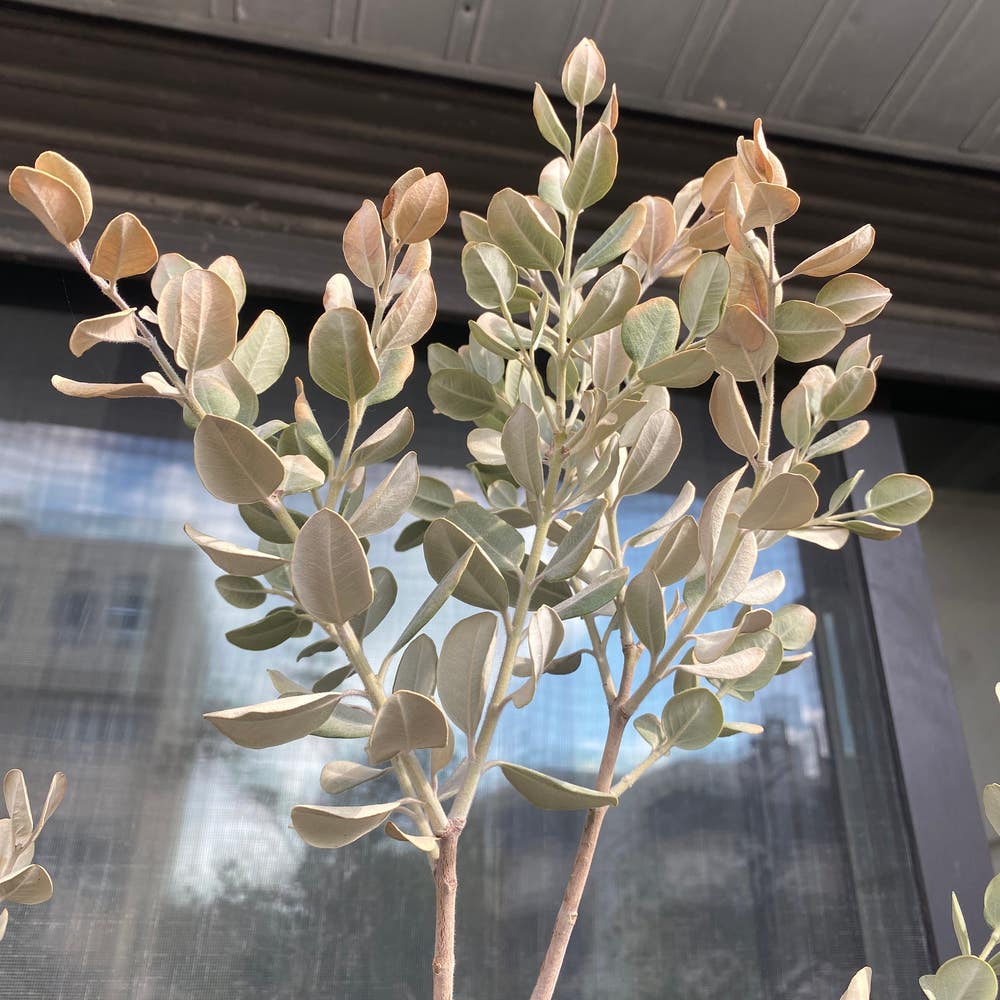
Metrosideros tremuloides
By the Greg Editorial Team
Nov 22, 2024•6 min read
This article was created with the help of AI so we can cover more plants for you. May contain errors. See one? Report it here.
- 🌱 Rata is non-invasive, promoting local ecosystems without outcompeting other plants.
- 🌼 Attracts pollinators like bees and butterflies, enhancing garden biodiversity.
- 🌳 Supports soil health and prevents erosion with its robust root systems.
Plant Classification
Definition of Invasive Species 🌱
Invasive species are plants that can wreak havoc on local ecosystems. They typically exhibit rapid growth and spread, displacing native species and negatively impacting the environment.
Key characteristics of invasive plants include:
- Rapid growth and spread: They can quickly dominate an area.
- Displacement of native species: They outcompete local flora for resources.
- Negative impact on local ecosystems: They disrupt the balance of the ecosystem.
Explanation of Rata's Classification 🌿
Rata stands apart from invasive plants, earning its classification as a non-invasive species. Its moderate growth rate and limited spread potential make it a compatible addition to local ecosystems.
Rata's classification is supported by several factors:
- Moderate growth rate: It grows at a pace of about 1-2 feet per year, which is manageable.
- Limited spread potential: In natural settings, Rata does not aggressively expand its territory.
- Compatibility with local ecosystems: It coexists harmoniously with native plants, enhancing rather than disrupting the environment.
Understanding Rata's classification helps gardeners appreciate its role in promoting biodiversity. This knowledge sets the stage for exploring its growth habits and ecological contributions.
Growth Habits
Typical Growth Patterns of Rata 🌱
Rata exhibits a moderate growth rate, typically reaching heights of 1-2 feet per year under optimal conditions. Depending on the variety, it can take the form of a shrub or a small tree, adding versatility to your garden.
Natural Limits to Rata's Growth 🌍
This plant thrives in well-draining, fertile soils, which are essential for its health. Additionally, Rata prefers full sun to partial shade, making it adaptable to various garden settings.
Spread Potential in Gardens and Ecosystems 🌿
Rata's natural spread mechanisms include seed dispersal by wind and wildlife, allowing it to establish in new areas. However, it does not aggressively outcompete other plants, ensuring a balanced ecosystem in your garden.
Incorporating Rata into your landscape not only enhances its beauty but also supports local biodiversity. As we explore its ecological role, you'll discover how this plant contributes positively to its environment.
Ecological Role
Benefits of Rata in Gardens 🌱
Rata plays a vital role in enhancing soil health. Its robust root systems help prevent erosion, ensuring that the soil remains intact and fertile.
Additionally, Rata provides much-needed shade and shelter for other plants. This creates a microhabitat that supports diverse plant life, fostering a thriving garden ecosystem.
Positive Interactions with Local Wildlife 🐝
One of the most delightful aspects of Rata is its ability to attract pollinators. Bees and butterflies flock to its flowers, making it a buzzing hub of activity.
Moreover, Rata serves as a food source for birds and small mammals. This not only supports local wildlife but also enriches the garden's biodiversity.
Role of Rata in Supporting Biodiversity 🌍
Rata contributes significantly to a balanced ecosystem by providing essential habitat. Its presence encourages a variety of species to thrive, creating a vibrant community of flora and fauna.
Furthermore, Rata supports beneficial insects and microorganisms. These tiny allies play crucial roles in pollination and soil health, reinforcing the garden's ecological integrity.
Incorporating Rata into your garden not only beautifies the space but also fosters a healthy, diverse ecosystem. As we explore garden management strategies next, consider how Rata's ecological benefits can enhance your gardening experience.
Garden Management
Incorporating Rata into Garden Designs 🌼
Rata can serve as a stunning focal point in your garden. Consider placing it at the back of mixed plantings to create depth and interest.
Combining Rata with other native plants enhances the overall aesthetic. This approach not only looks cohesive but also supports local wildlife.
Methods for Controlling Rata's Growth ✂️
To maintain Rata's size and shape, regular pruning is essential. This easy technique helps keep your garden looking tidy and well-organized.
Monitoring Rata's growth is crucial to prevent overcrowding. By keeping an eye on its spread, you ensure that it coexists harmoniously with other plants.
Aesthetic Considerations for Rata in Landscapes 🎨
Rata offers seasonal interest with its changing flowers and foliage colors. This dynamic quality keeps your garden vibrant throughout the year.
Incorporating Rata into themed gardens, like native plant or wildlife gardens, can enhance their appeal. Its unique characteristics attract pollinators and provide habitat, enriching the garden's ecosystem.
With these management strategies, Rata can thrive beautifully in your garden, contributing to both its visual charm and ecological health. Next, let's explore how Rata compares to other non-invasive plants.
Comparison to Other Plants
🌱 Similar Non-Invasive Plants
When considering non-invasive plants that complement Rata, Kanuka and Manuka stand out. Both are native species that share similar growth habits and ecological benefits.
🌼 Unique Qualities of Rata
Rata boasts distinctive flowers and foliage that not only enhance garden aesthetics but also attract a variety of wildlife. Its cultural significance is noteworthy, as it has historical uses in traditional practices, adding depth to its presence in gardens.
🌍 Benefits of Rata Over Other Plants
Rata's adaptability to local conditions makes it a superior choice for many gardeners. Additionally, it offers enhanced ecological benefits compared to some ornamental non-natives, promoting a healthier, more balanced ecosystem.
Incorporating Rata into your garden not only beautifies the space but also supports local wildlife and contributes to sustainable gardening practices. As we explore garden management next, we'll delve into how to effectively integrate Rata into your landscape.
Legal and Environmental Considerations
Relevant Classifications for Rata 🌱
Rata is recognized as a native plant in various regions, which underscores its importance in local ecosystems. Its classification as a native species often affords it protection under local conservation laws, promoting biodiversity and ecological health.
Guidelines for Planting Rata 🌼
For optimal growth, the best times to plant Rata are early spring or fall. When planting, ensure to space them 3-5 feet apart to allow for healthy development and airflow.
Rata's Role in Sustainable Gardening Practices ♻️
Using native plants like Rata is crucial for maintaining ecological balance in gardens. They contribute to sustainable landscapes by reducing the need for chemical inputs, fostering a healthier environment for both plants and wildlife.
Incorporating Rata into your garden not only enhances its beauty but also supports local ecosystems. As we move forward, let’s explore how to effectively manage Rata’s growth in garden settings.
⚠️ Safety First
This content is for general information and may contain errors, omissions, or outdated details. It is not medical, veterinary advice, or an endorsement of therapeutic claims.
Always consult a qualified healthcare professional before using any plant as food, medicine, or supplement.
Never eat any plant (or feed one to pets) without confirming its identity with at least two trusted sources.
If you suspect poisoning, call Poison Control (800) 222-1222, the Pet Poison Helpline (800) 213-6680, or your local emergency service immediately.
Spotted an error? Please report it here.
Enhance your garden's biodiversity and thrive with Rata 🌱 by using Greg's tailored watering reminders and growth management tips to keep this native beauty flourishing!