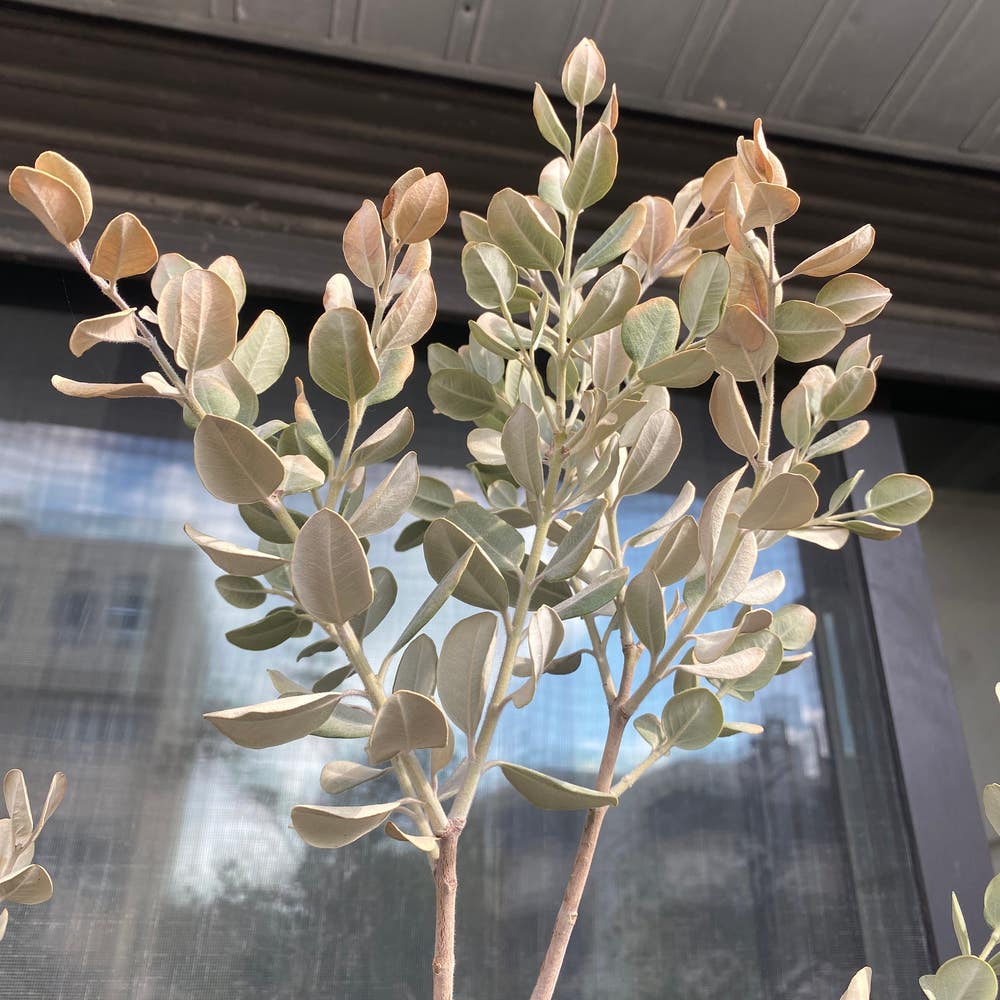
🌳 Rata: Not an Annual
Metrosideros tremuloides
By the Greg Editorial Team
Nov 22, 2024•6 min read
This article was created with the help of AI so we can cover more plants for you. May contain errors. See one? Report it here.
- 🌱 Rata is a perennial plant, thriving for decades, not just an annual.
- 🌼 Rata blooms multiple times a year, enhancing garden beauty and attracting pollinators.
- 🌍 Environmental factors can mislead gardeners; Rata thrives with proper care and conditions.
Genetic and Physiological Characteristics
🌱 Long-term Lifecycle of Rata
Rata plants have a fascinating lifecycle that unfolds over many years. From germination to maturity, this process can take several seasons, with some species living for decades.
The journey begins with germination, where seeds sprout under the right conditions. As they grow, Rata plants transition through various stages, ultimately reaching their full height and flowering potential.
📈 Growth Patterns of Rata
Rata exhibits distinct vegetative growth phases that are influenced by seasonal changes. During spring and summer, you’ll notice vigorous leaf development and stem growth, which are crucial for the plant’s overall health.
As seasons shift, Rata's growth patterns adapt to environmental conditions. Factors like temperature, sunlight, and moisture levels play significant roles in how these plants thrive throughout the year.
🌼 Reproductive Strategies of Rata
Rata's flowering patterns are a key aspect of its reproductive strategy. These plants typically bloom at specific times, with some species producing flowers multiple times a year.
Seed production is another critical component. Rata seeds can remain viable for extended periods, but successful germination relies on optimal conditions, including soil quality and moisture levels. Understanding these factors can significantly enhance your gardening success with Rata.
In summary, Rata's genetic and physiological characteristics reveal a complex and resilient plant. This knowledge sets the stage for exploring how these traits influence their lifecycle and gardening practices.
Lifecycle Implications
🌱 Growth and Flowering Cycles of Rata
Rata exhibits a fascinating seasonal flowering pattern, blooming at different times throughout the year. This variability is influenced by several factors, including climate, soil conditions, and the care practices employed by gardeners.
Understanding these influences can help you optimize Rata's growth. For instance, warmer temperatures and adequate moisture can encourage more prolific flowering, while poor soil or extreme weather can hinder it.
🌾 Seed Production in Rata vs. Annuals
When comparing Rata to annual plants, the differences in seed production rates and strategies become clear. Rata tends to produce seeds over a longer period, allowing for a more gradual and sustained reproductive cycle.
Moreover, Rata seeds have remarkable longevity. They can remain viable for extended periods, but successful germination requires specific conditions, such as appropriate moisture levels and temperature. This resilience sets Rata apart from many annuals, which often have a shorter seed viability window.
In summary, Rata's lifecycle is characterized by its unique growth and flowering cycles, as well as its effective seed production strategies. Understanding these aspects can enhance your gardening experience and help you appreciate the enduring nature of this remarkable plant.
Next, we will explore regional variations and misconceptions about Rata, shedding light on how environmental factors can influence its perception in different areas.
Regional Variations and Misconceptions
Conditions Where Rata May Be Mistaken for an Annual 🌱
Rata can often be misidentified as an annual due to specific environmental factors. Poor soil conditions, extreme weather, or inadequate care can hinder its growth, leading to the misconception that it is a short-lived plant.
In regions with harsh climates or nutrient-deficient soils, Rata may struggle to thrive. This can create an illusion of annuality, as the plant fails to reach its full potential and produce the vibrant blooms it's known for.
Exceptions in Rata's Treatment as an Annual 🌼
There are unique situations where Rata might be treated as an annual. Specific gardening practices, such as those in colder climates, may lead gardeners to view Rata as a temporary plant.
In areas with short growing seasons, gardeners may opt to replace Rata with annuals for immediate color. This practice can overshadow Rata's perennial nature, causing it to be overlooked in favor of plants that fit the annual mold.
Understanding these regional variations and misconceptions is crucial for appreciating Rata's true nature. As we delve deeper into garden design and planting strategies, we can explore how to effectively incorporate Rata into our landscapes.
Garden Design and Planting Strategies
🌼 Advantages of Rata's Perennial Nature in Garden Design
Incorporating Rata into your perennial garden offers numerous benefits. First and foremost, it's a long-term investment that promotes sustainability, allowing you to enjoy its beauty year after year.
Rata's vibrant flowers add aesthetic appeal, creating a stunning display across multiple seasons. This not only enhances your garden's visual interest but also attracts pollinators, contributing to a healthier ecosystem.
🌱 Planning for Rata in a Perennial Garden
When planning your garden, consider companion planting strategies with Rata. Pairing it with complementary plants can enhance growth and create a harmonious environment.
Designing garden layouts that accommodate Rata's growth habits is crucial. Ensure there's enough space for its expansive roots and foliage, allowing it to thrive without competition from neighboring plants.
By thoughtfully integrating Rata into your garden design, you can create a flourishing, sustainable landscape that delights the senses. This sets the stage for exploring effective management tips to maximize Rata's longevity and health.
Management Tips for Rata
🌱 Tips for Maximizing Rata's Longevity
To ensure Rata thrives for years, focus on soil health and nutrient management. Use organic compost to enrich the soil, providing essential nutrients that support robust growth.
Regular soil testing can help you understand nutrient levels and pH balance. Adjusting these factors can significantly enhance Rata's health and longevity.
Watering is crucial for Rata's long-term success. Establish a consistent watering routine, ensuring the soil remains moist but not waterlogged.
Consider using mulch to retain moisture and regulate soil temperature. This practice not only benefits Rata but also suppresses weeds that compete for resources.
🌼 Best Practices for Managing Rata as a Perennial
Seasonal maintenance is key to keeping Rata healthy. Pruning should be done after flowering to encourage new growth and remove any dead or damaged branches.
Fertilizing is another important task. Use a balanced fertilizer in early spring to give Rata a nutrient boost as it emerges from dormancy.
Pest management is essential for preventing infestations. Regularly inspect your plants for signs of pests and take action promptly to protect your Rata.
Monitoring environmental stressors can help you adapt care as needed. Keep an eye on weather conditions and adjust watering or protection strategies accordingly.
By implementing these management tips, you can enjoy the beauty of Rata in your garden for many seasons to come. Next, we will explore the advantages of incorporating Rata's perennial nature into garden design.
⚠️ Safety First
This content is for general information and may contain errors, omissions, or outdated details. It is not medical, veterinary advice, or an endorsement of therapeutic claims.
Always consult a qualified healthcare professional before using any plant as food, medicine, or supplement.
Never eat any plant (or feed one to pets) without confirming its identity with at least two trusted sources.
If you suspect poisoning, call Poison Control (800) 222-1222, the Pet Poison Helpline (800) 213-6680, or your local emergency service immediately.
Spotted an error? Please report it here.
Unlock the perennial beauty of Rata 🌿 in your garden with Greg's tailored care tips, ensuring your plants thrive through every season!