Ultimate Guide to Solving Rata Problems 🐀
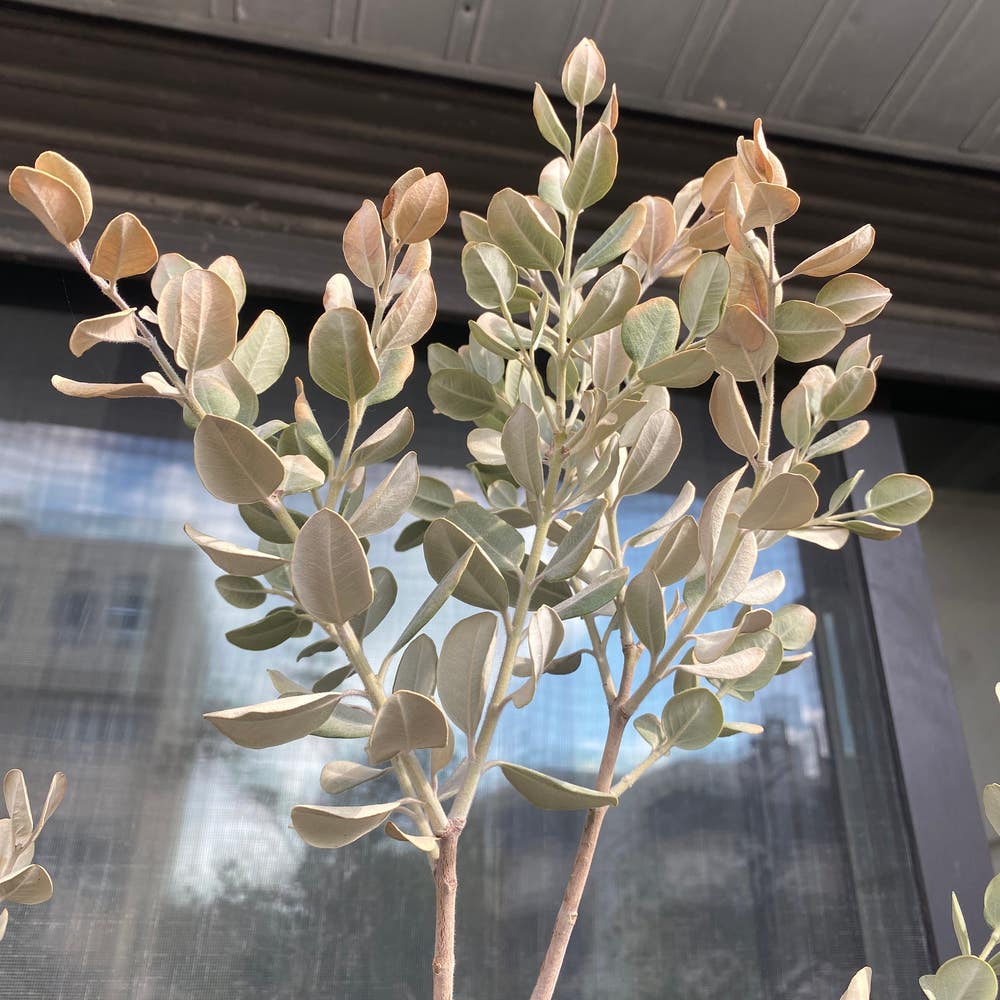
Metrosideros tremuloides
By the Greg Editorial Team
Nov 22, 2024•6 min read
This article was created with the help of AI so we can cover more plants for you. May contain errors. See one? Report it here.
- 🌱 Recognize unhealthy Rata signs like yellowing leaves for timely intervention.
- 💧 Adjust watering schedules to prevent overwatering and underwatering issues.
- ☀️ Ensure bright, indirect sunlight for optimal Rata growth and health.
Recognizing Unhealthy Rata
Signs of an unhealthy plant 🌱
Recognizing when your Rata is struggling is crucial for its recovery. Here are some key signs to watch for:
Yellowing leaves
If you notice yellowing leaves, it often indicates a nutrient deficiency or potential watering issues. This is a clear signal that your plant needs immediate attention.
Wilting or drooping
Wilting or drooping leaves suggest that your Rata may be underwatered or experiencing root problems. Don't ignore these signs; they can lead to more severe issues if not addressed.
Fuzzy growth
Fuzzy growth on your Rata is typically a sign of fungal issues, such as powdery mildew. This can spread quickly, so it's essential to act fast.
Leaning or leggy growth
If your Rata is leaning or exhibiting leggy growth, it likely means it's not getting enough light. Adjusting its light exposure can help restore its health.
By keeping an eye out for these signs, you can take proactive steps to ensure your Rata thrives. Next, let's delve into common problems specific to Rata and how to tackle them effectively.
Common Problems Specific to Rata
🌊 Incorrect watering
Identifying overwatering and underwatering
Overwatering is a common issue for Rata plants. Look for yellowing leaves, wilting, and root rot as telltale signs.
On the other hand, underwatering manifests through drooping leaves, dry soil, and crispy edges. Recognizing these symptoms early can help you take action before significant damage occurs.
Causes and solutions
Overwatering often results from poor drainage or watering too frequently. To remedy this, allow the soil to dry out, improve drainage, and adjust your watering schedule accordingly.
Underwatering typically stems from infrequent watering or dry conditions. The solution is straightforward: water thoroughly, ensuring that moisture reaches the root zone.
💡 Incorrect light conditions
Symptoms of inadequate light
If your Rata is not thriving, inadequate light might be the culprit. Symptoms include leggy growth, yellowing leaves, and slow overall growth.
Adjusting light exposure
To improve light conditions, move your plant to a brighter location with indirect sunlight. If natural light is insufficient, especially during winter months, consider using grow lights to supplement.
🌡️ Incorrect temperature
Recognizing temperature stress
Temperature stress can significantly impact your Rata's health. Watch for symptoms like wilting, leaf drop, and stunted growth.
Ideal temperature ranges and adjustments
The ideal temperature range for Rata is between 15°C to 25°C (59°F to 77°F). Avoid placing your plant near drafts or heat sources, and use thermometers to monitor conditions effectively.
🐛 Pests
Common pests affecting Rata
Pests can wreak havoc on your Rata. Common offenders include aphids, small green insects that cause leaf curling and sticky residue, and scale insects, which appear as hard, shell-like pests on stems and leaves.
Identification and treatment methods
Regular inspections are crucial for early pest detection. Treatment options include using insecticidal soap or neem oil, and introducing beneficial insects like ladybugs to help control the pest population.
🦠 Diseases
Fungal issues
Powdery mildew
Powdery mildew presents as white, powdery spots on leaves. It thrives in high humidity and poor air circulation.
To treat powdery mildew, improve airflow, remove infected leaves, and apply fungicides as necessary.
Rust
Rust appears as orange or rust-colored spots on leaves, spreading through fungal spores in humid conditions. Remove affected leaves, ensure proper spacing, and apply rust treatment fungicides to combat this issue.
Black rot
Black rot manifests as dark, sunken spots on leaves and stems, often caused by fungal infections from wet conditions. Remove infected parts, improve drainage, and apply appropriate fungicides to manage this disease.
Blight
Blight leads to rapid wilting and browning of leaves, caused by fungal pathogens in overly moist conditions. The best course of action is to remove infected plants, improve air circulation, and apply fungicides.
🌱 Root problems
Identifying root rot and squishy roots
Root rot can be a serious issue for Rata plants. Symptoms include wilting despite adequate watering and a foul odor emanating from the soil.
Causes and recovery steps
Root rot is primarily caused by overwatering and poor drainage. To recover, remove the plant from its pot, trim affected roots, and repot it in fresh, well-draining soil.
🍃 Leaf issues
Symptoms of scorching, yellowing, and fuzzy growth
Leaf issues can signal various problems. Scorching appears as brown edges on leaves due to excessive light or heat, while yellowing often indicates nutrient deficiency or watering issues. Fuzzy growth is typically linked to fungal infections like powdery mildew.
Causes and corrective actions
To address these leaf issues, adjust light exposure and watering practices. Treat any fungal problems with appropriate fungicides to restore your plant's health.
🌿 Growth problems
Identifying issues like not growing, not fruiting, leaning, leggy, and etiolated
Growth problems can be frustrating. If your Rata isn't growing, it may be due to inadequate light or nutrients. Not fruiting can also stem from insufficient light or improper care.
Leaning indicates inadequate support or light direction, while leggy growth results from insufficient light leading to elongated stems. Etiolated stems become long and weak due to a lack of light.
Solutions for each growth problem
To resolve these growth issues, increase light exposure and adjust nutrient levels. Providing support for leaning plants and pruning leggy growth can also help your Rata thrive.
With a keen eye for these common problems and proactive care, your Rata can flourish beautifully. Next, let's explore preventive measures to keep your plant healthy and vibrant.
Preventive Measures
Best practices for Rata care 🌱
To keep your Rata thriving, start by regularly checking soil moisture. Adjust your watering schedule based on the plant's needs to avoid both overwatering and underwatering.
Next, ensure your Rata receives the right amount of light. Position it in a spot where it can bask in indirect sunlight, and monitor temperature conditions to keep it comfortable.
Don't forget about air circulation! Good airflow helps prevent fungal diseases, which can be detrimental to your plant's health.
Importance of regular monitoring 🔍
Regular monitoring is crucial for early detection of potential issues. By keeping a close eye on your Rata, you can address problems before they escalate, leading to healthier plants and a more vibrant garden.
Taking these preventive measures not only enhances your plant's resilience but also enriches your gardening experience. With a little attention and care, your Rata can flourish beautifully.
As you implement these practices, you'll be better prepared to tackle any challenges that arise, ensuring your Rata remains a stunning addition to your home.
⚠️ Safety First
This content is for general information and may contain errors, omissions, or outdated details. It is not medical, veterinary advice, or an endorsement of therapeutic claims.
Always consult a qualified healthcare professional before using any plant as food, medicine, or supplement.
Never eat any plant (or feed one to pets) without confirming its identity with at least two trusted sources.
If you suspect poisoning, call Poison Control (800) 222-1222, the Pet Poison Helpline (800) 213-6680, or your local emergency service immediately.
Spotted an error? Please report it here.
Revitalize your Rata and watch it flourish 🌱 with Greg's tailored care reminders and expert tips that ensure your plant thrives in any environment!