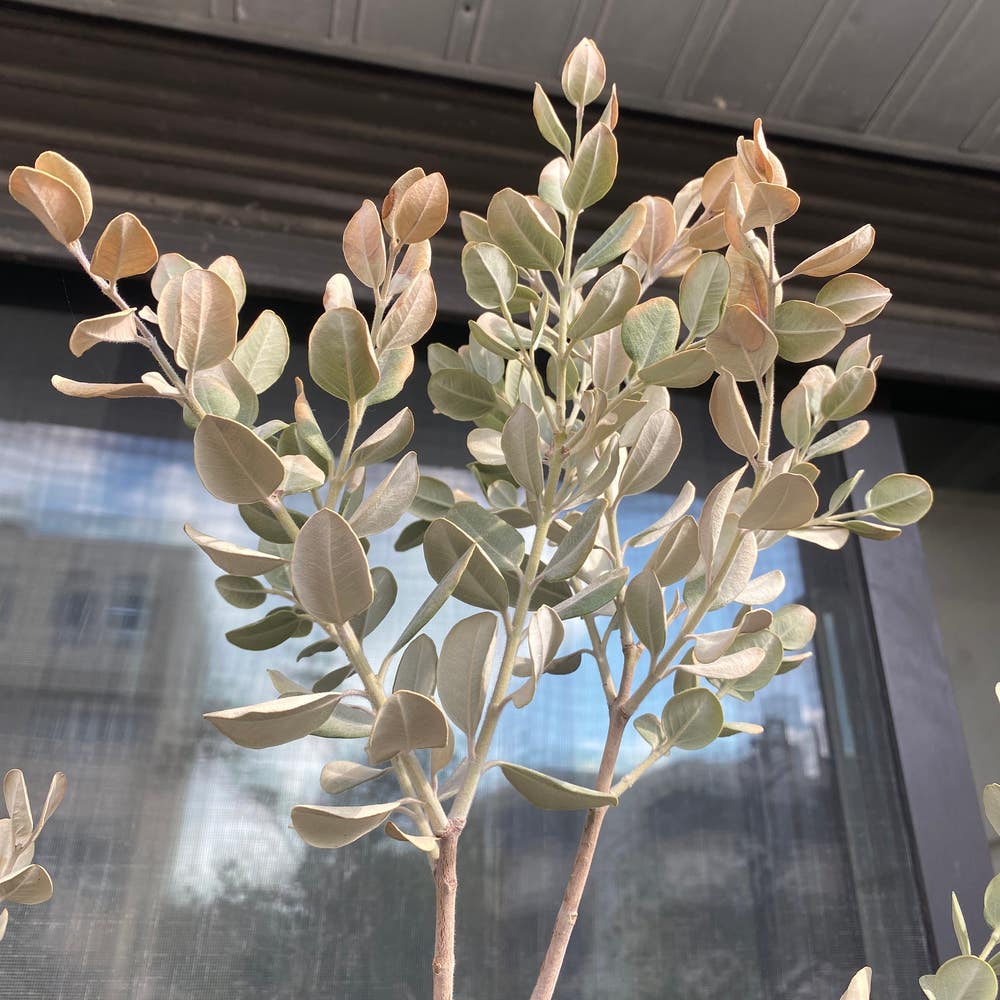
🩹 How to Fix Root Rot in Your Rata
Metrosideros tremuloides
By the Greg Editorial Team
Nov 22, 2024•6 min read
This article was created with the help of AI so we can cover more plants for you. May contain errors. See one? Report it here.
- 🌱 Root rot causes yellow leaves and mushy roots; inspect your plant regularly.
- ✂️ Trim rotten roots and repot in well-draining soil to promote recovery.
- 💧 Prevent root rot by allowing soil to dry out and monitoring watering habits.
Identifying Root Rot
Signs and Symptoms of Root Rot 🌱
Root rot can be a silent killer for your plants, but there are clear signs to watch for.
- Yellowing leaves often indicate stress and nutrient deficiencies, signaling that something is off with your plant's health.
- Wilting despite adequate watering is another key symptom; if your plant looks droopy even after a good drink, root rot might be the culprit.
- Dark, mushy roots are visual indicators of decay. If you see this, it’s time to take action.
How to Inspect Roots for Rot 🔍
Inspecting your plant's roots is crucial for diagnosing root rot. Follow these steps for a thorough examination:
- Remove the plant from its pot carefully to avoid further damage.
- Examine the root system: Look for color and texture changes that could indicate rot.
- Identify healthy roots: Healthy roots should be firm and white, while soft, brown roots are a sign of trouble.
Differentiating Root Rot from Other Issues 🆚
It’s essential to distinguish root rot from other plant problems. Here’s how:
- Comparing symptoms with overwatering can help you determine if it’s root rot or just general stress. Overwatered plants may show similar signs but often have a different root texture.
- Identifying pest damage is key; look for visible pests or their signs, which differ from root rot symptoms.
- Assessing environmental stressors like light and humidity can also provide clues. Poor conditions can lead to similar symptoms, but the root cause may vary.
Understanding these signs and how to inspect your plant will set you on the right path to recovery. Next, we’ll explore how to treat root rot effectively.
Treating Root Rot
🌱 Step-by-Step Guide to Treating Root Rot
Treating root rot requires a careful approach to save your plant. Start by removing the affected plant from its pot, taking care not to damage the remaining healthy roots.
Next, trim away any rotten roots using sterilized scissors. This ensures clean cuts and minimizes the risk of spreading pathogens.
Once you've removed the damaged roots, rinse the healthy roots gently to eliminate any remaining soil. This step is crucial for assessing the overall health of the root system.
After rinsing, apply a suitable fungicide to combat root rot pathogens. Look for products specifically designed for this purpose to ensure effective treatment.
Finally, repot your plant in fresh, well-draining soil. Make sure the pot is the right size and has adequate drainage to prevent future issues.
🛒 Recommended Treatments and Products
When it comes to treating root rot, choosing the right products can make a significant difference. Here are some recommendations:
Fungicides: Look for specific brands that are effective against root rot pathogens. Products containing active ingredients like azoxystrobin or propiconazole are often recommended.
Soil Amendments: Incorporate materials like perlite or sand into your potting mix to improve drainage. This helps prevent moisture buildup around the roots.
Root Stimulants: Consider using products designed to encourage healthy root regrowth. These can provide the extra boost your plant needs to recover.
🌿 How to Repot a Plant with Root Rot
Repotting a plant with root rot is a straightforward process, but it’s essential to do it correctly.
Start by choosing a pot with drainage holes. This is crucial for preventing future rot by allowing excess water to escape.
Next, use a suitable potting mix that includes a blend of peat, perlite, and compost. This combination promotes good drainage while providing essential nutrients.
Finally, position the plant correctly in the new pot. Ensure the roots are spread out and not cramped, allowing for healthy growth as the plant recovers.
With these steps, your plant will be on its way to recovery. Next, let’s explore how to prevent root rot from occurring in the first place.
Preventing Root Rot
🌊 Best Practices for Watering
To prevent root rot, it's crucial to establish a proper watering routine. Allow the soil to dry out between waterings to avoid excess moisture that can lead to decay.
Check the moisture level using a moisture meter or simply by inserting your finger into the soil. This will help you gauge when your plant truly needs water.
As seasons change, adjust your watering habits accordingly. During cooler months, plants typically require less water, so be mindful of their needs.
🌱 Soil and Potting Mix Recommendations
Choosing the right soil composition is vital for healthy roots. Opt for a well-draining mix that includes organic matter to promote aeration and moisture retention.
Consider specific brands or DIY recipes for potting mixes that suit your plants. A good blend can make all the difference in preventing root rot.
Maintaining the right soil pH is also essential. Aim for a slightly acidic to neutral pH, ideally between 6.0 and 7.0, to support optimal plant health.
🪴 Importance of Drainage and Pot Selection
Selecting the right pot is a key factor in preventing root rot. Consider the size and material of the pot, ensuring it allows for adequate drainage.
Incorporate drainage solutions by adding gravel or stones at the bottom of your pots. This helps excess water escape, reducing the risk of rot.
Elevating pots using pot feet can further improve airflow and drainage. This simple step can make a significant impact on your plant's overall health.
By following these preventive measures, you can create a thriving environment for your plants, minimizing the risk of root rot and ensuring their long-term vitality. Next, let's explore the recovery process after treatment to help your plants bounce back.
Post-Treatment Care
Recovery Process After Treatment 🌱
After treating root rot, your plant needs a gentle recovery phase. Start by placing it in a shaded, humid environment to help it regain strength.
Gradual Reintroduction to Light 🌞
Once the plant shows signs of stability, gradually reintroduce it to brighter light. This slow acclimation helps prevent shock and supports healthy growth.
Monitoring for Signs of Improvement 👀
Keep an eye out for new growth, which is a positive indicator of recovery. Fresh leaves and stems signal that your plant is bouncing back.
Regular Checks for Pests 🐛
While monitoring growth, also check for pests. Early detection is crucial to prevent new infestations that could hinder your plant's recovery.
Long-Term Care Strategies to Prevent Recurrence 🔄
Establishing a consistent watering schedule is vital. Adjust your routine based on seasonal changes to avoid overwatering or underwatering.
Regular Soil Checks 🧪
Make it a habit to check the soil regularly. Ensuring it remains well-draining will help prevent future issues with root rot.
Periodic Repotting 🌍
Consider repotting your plant every 1-2 years. This refreshes the soil and allows you to inspect the root health, keeping your plant thriving.
With these post-treatment care strategies, your plant can flourish and thrive, reducing the chances of root rot returning. Next, let's explore how to prevent root rot from occurring in the first place.
⚠️ Safety First
This content is for general information and may contain errors, omissions, or outdated details. It is not medical, veterinary advice, or an endorsement of therapeutic claims.
Always consult a qualified healthcare professional before using any plant as food, medicine, or supplement.
Never eat any plant (or feed one to pets) without confirming its identity with at least two trusted sources.
If you suspect poisoning, call Poison Control (800) 222-1222, the Pet Poison Helpline (800) 213-6680, or your local emergency service immediately.
Spotted an error? Please report it here.
Revive your rata from root rot and ensure its long-term health 🌱 with Greg's tailored watering alerts and expert community tips for thriving plants!