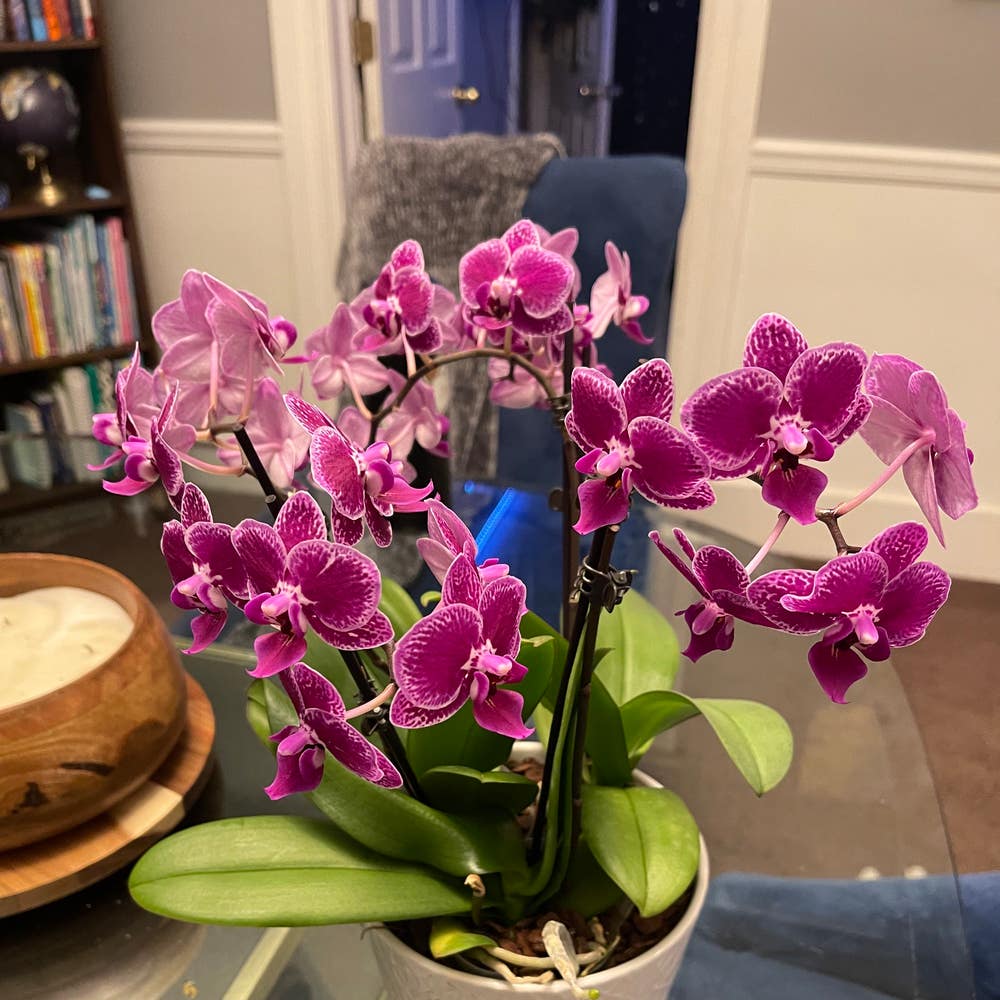
🌙 Where to Plant Your Moon Orchid
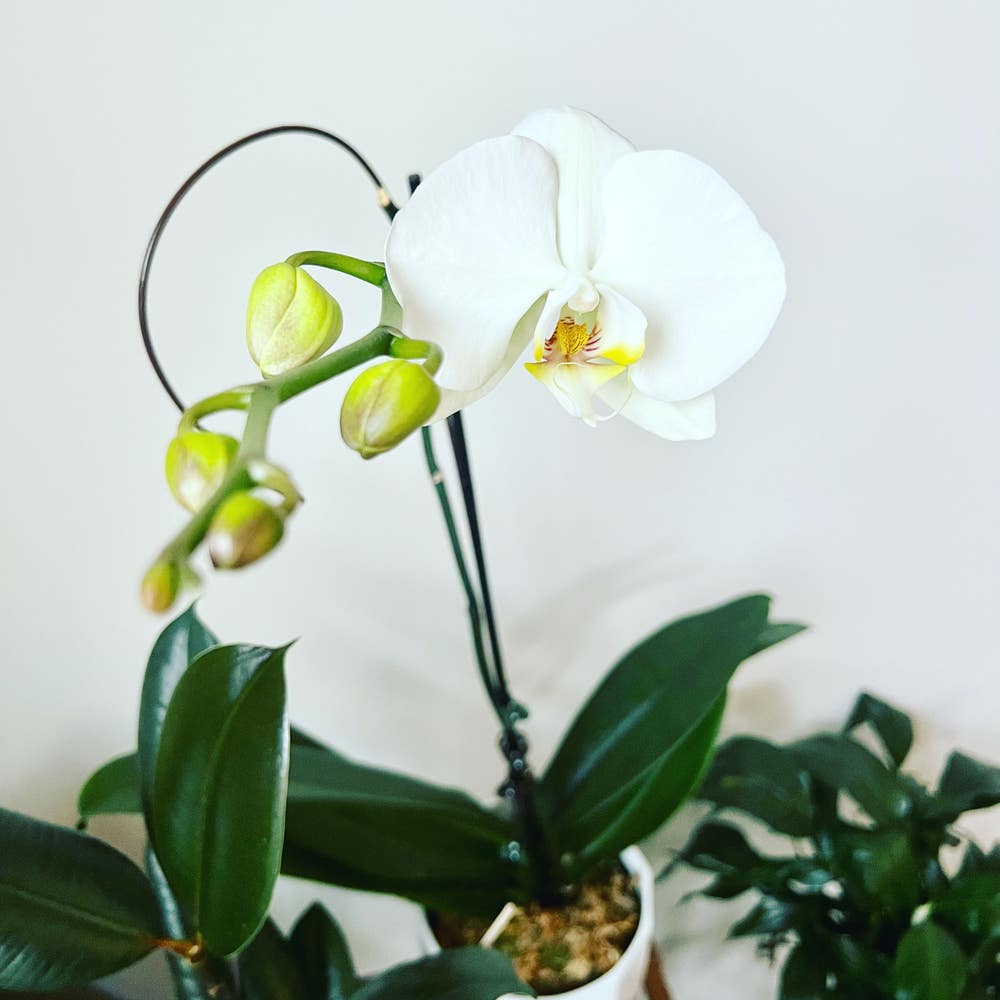
Phalaenopsis amabilis
By the Greg Editorial Team
Sep 30, 2024•4 min read
This article was created with the help of AI so we can cover more plants for you. May contain errors. See one? Report it here.
- 🌞 Bright, indirect light is crucial for Moon Orchid growth and blooming success.
- 🌿 Well-draining potting media like bark or moss ensures healthy Moon Orchids.
- 🌡️ Maintain 20°C to 30°C temperatures and protect from cold drafts for optimal health.
Sunlight Exposure
Full Sun vs. Partial Shade 🌞
Moon Orchids thrive in bright, indirect light. While full sun can scorch their delicate leaves, too much shade can stifle their blooming potential.
Morning Sun vs. Afternoon Sun 🌅
Morning sun is the golden ticket; it's gentle and nurturing. Aim for 4-6 hours of bright, indirect light daily to keep your Moon Orchid happy and healthy.
Understanding these sunlight preferences is crucial for your orchid's success. With the right exposure, you’ll encourage vibrant blooms and lush foliage.
Soil Type and Conditions
Well-Draining Soil Requirements 🌱
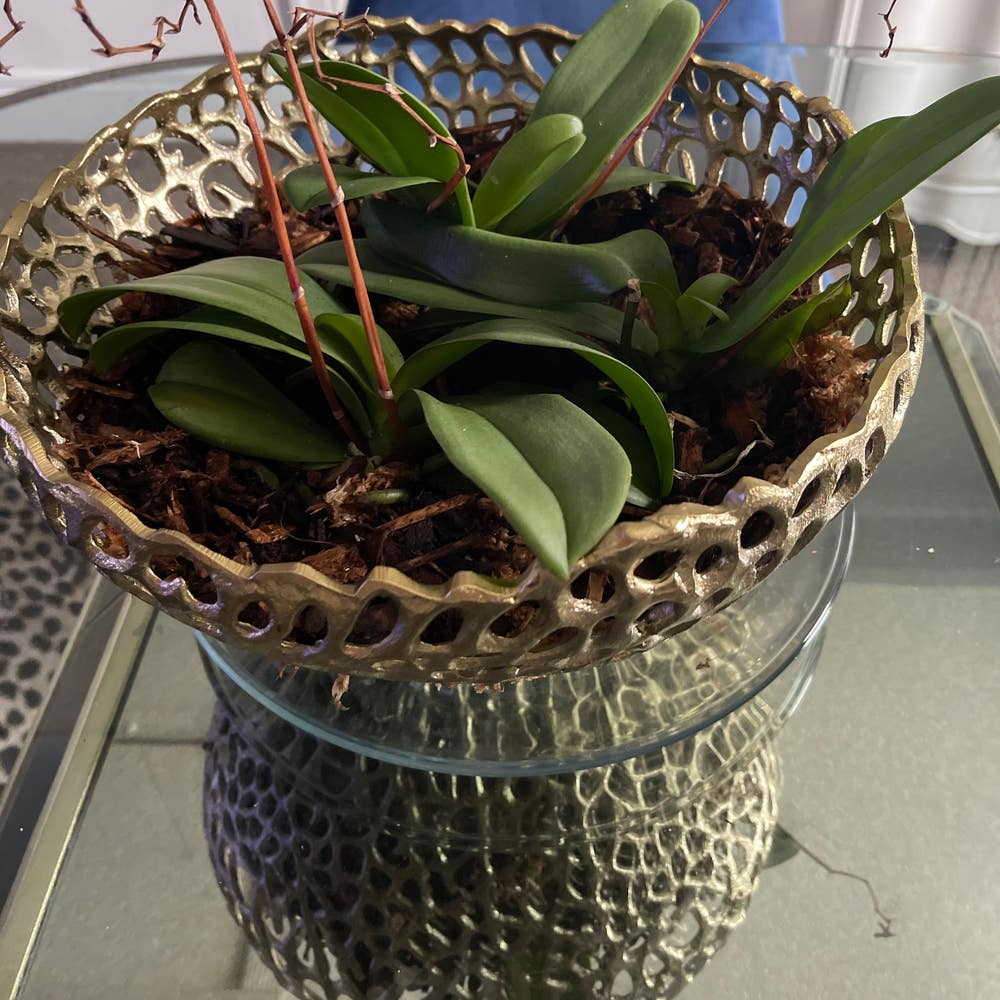
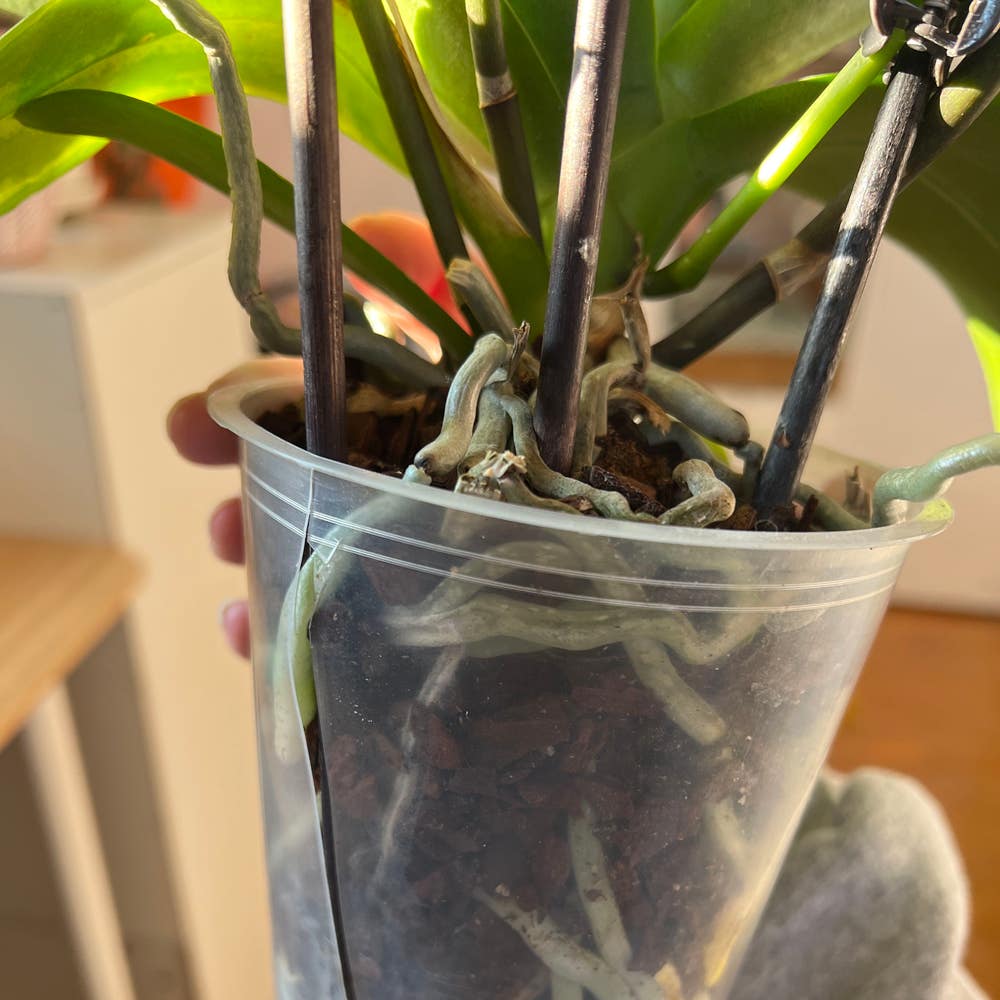
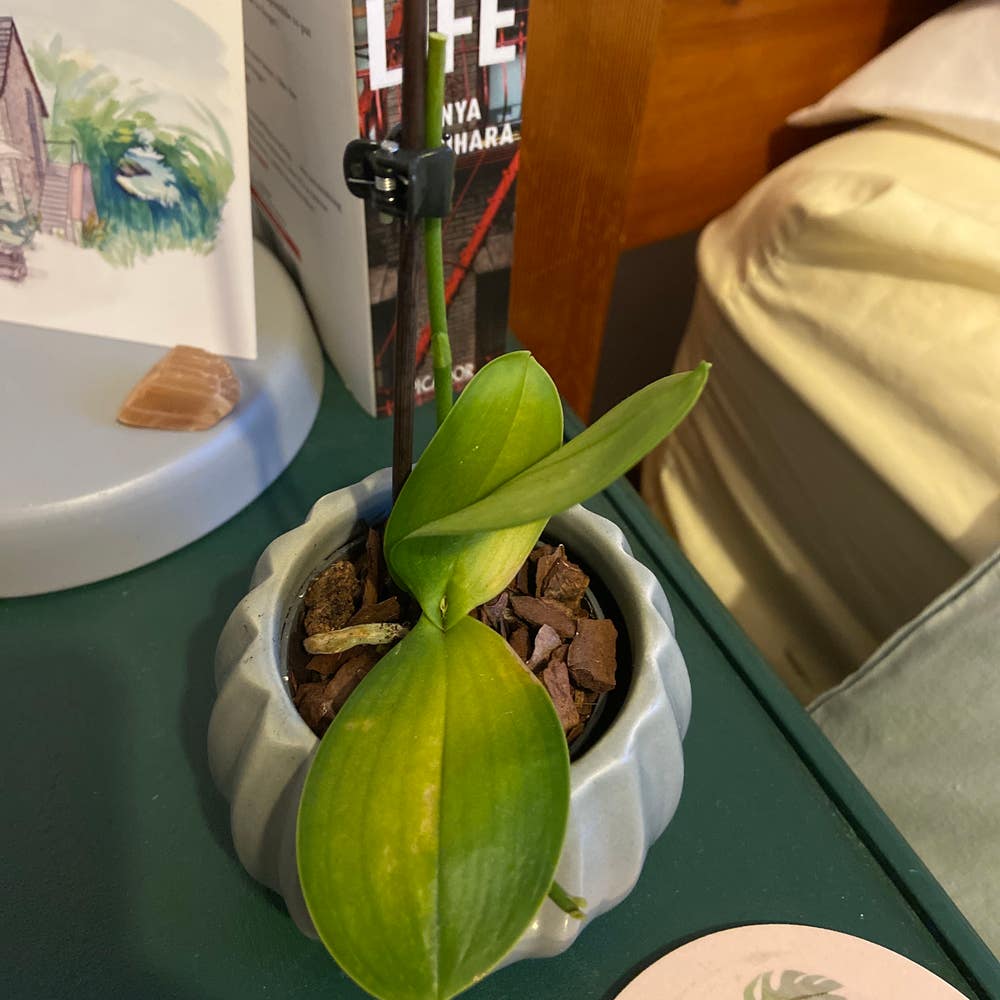
Moon Orchids flourish in well-draining, airy potting media. To create the perfect environment, consider using materials like bark, sphagnum moss, or a specialized orchid mix.
These components ensure that water drains effectively, preventing root rot while allowing air to circulate. A well-aerated mix is crucial for the health of your Moon Orchid.
pH Preferences ⚗️
The ideal soil pH for Moon Orchids ranges from 5.5 to 6.5. Maintaining this pH level is vital for optimal nutrient uptake, ensuring your orchid receives the essential elements it needs to thrive.
Regularly testing your soil can help you keep track of its pH. Adjustments can be made with specific soil amendments if necessary, keeping your Moon Orchid happy and healthy.
Understanding these soil requirements will set the stage for your Moon Orchid's success. Next, let's explore how to assess the best spot for planting these beautiful flowers.
Proximity to Other Plants and Structures
🌱 Companion Planting Considerations
When planting your Moon Orchid, consider companions that thrive in similar conditions. Ferns and peace lilies are excellent choices, as they enjoy humidity and can enhance the aesthetic of your garden.
To avoid overcrowding, ensure there's enough space between plants. This prevents competition for light and nutrients, allowing your Moon Orchid to flourish.
🌬️ Wind Protection Strategies
Wind can be a silent enemy for your Moon Orchid. Natural barriers like hedges or fences can provide essential protection from strong gusts.
If you're using pots, take advantage of their mobility. This allows you to reposition your orchids based on seasonal wind patterns, ensuring they always have the best environment to thrive.
With the right companions and protection, your Moon Orchid will be well on its way to blooming beautifully. Next, let’s explore how to assess the best spot for your plant by evaluating sunlight availability.
Assessing the Best Spot
🌞 Evaluating Sunlight Availability
To ensure your Moon Orchid thrives, measuring sunlight exposure is crucial. You can use a light meter or simply observe how light patterns shift throughout the day.
A sun chart can be a game-changer for planning. It helps you pinpoint the best planting locations based on sunlight availability, ensuring your orchid gets just the right amount of light.
🌤️ Understanding Microclimates
Identifying warm and cool spots in your garden can make a significant difference. Look for areas that are sheltered from wind and benefit from reflected heat.
Nearby structures can also influence microclimates. Walls and fences may create warmer zones, which can be particularly beneficial for your Moon Orchids, helping them flourish in their ideal conditions.
With the right sunlight and microclimate, your Moon Orchids will be set up for success. Next, let’s explore their specific location needs to further enhance their growth.
Specific Location Needs
Shade Tolerance 🌳
Moon Orchids thrive best in light dappled shade or filtered sunlight. Too much direct light can lead to leaf burn, while insufficient light results in leggy growth.
Temperature Preferences 🌡️
For optimal growth, aim for temperatures between 20°C to 30°C (68°F to 86°F). Seasonal changes are crucial; protect your orchids from cold drafts in winter and consider moving pots indoors when temperatures drop.
Understanding these specific location needs will help you create the perfect environment for your Moon Orchids, ensuring they flourish beautifully. Next, let’s explore how to assess the best spot for planting them.
⚠️ Safety First
This content is for general information and may contain errors, omissions, or outdated details. It is not medical, veterinary advice, or an endorsement of therapeutic claims.
Always consult a qualified healthcare professional before using any plant as food, medicine, or supplement.
Never eat any plant (or feed one to pets) without confirming its identity with at least two trusted sources.
If you suspect poisoning, call Poison Control (800) 222-1222, the Pet Poison Helpline (800) 213-6680, or your local emergency service immediately.
Spotted an error? Please report it here.
Maximize your Moon Orchid's blooms by planting it in the perfect spot, and let Greg guide you with customized care reminders 🌸 for optimal light and soil conditions!