The Best Pollinators for Your Moon Orchid 🐝
Phalaenopsis amabilis
By the Greg Editorial Team
Sep 30, 2024•7 min read
This article was created with the help of AI so we can cover more plants for you. May contain errors. See one? Report it here.
- 🌸 Moon Orchids rely on bees, butterflies, and hummingbirds for effective pollination.
- 🌼 Cross-pollination boosts genetic diversity, enhancing resilience in Moon Orchid populations.
- 🌿 Creating a pollinator-friendly garden attracts more pollinators, benefiting Moon Orchids' reproduction.
Flower Structure
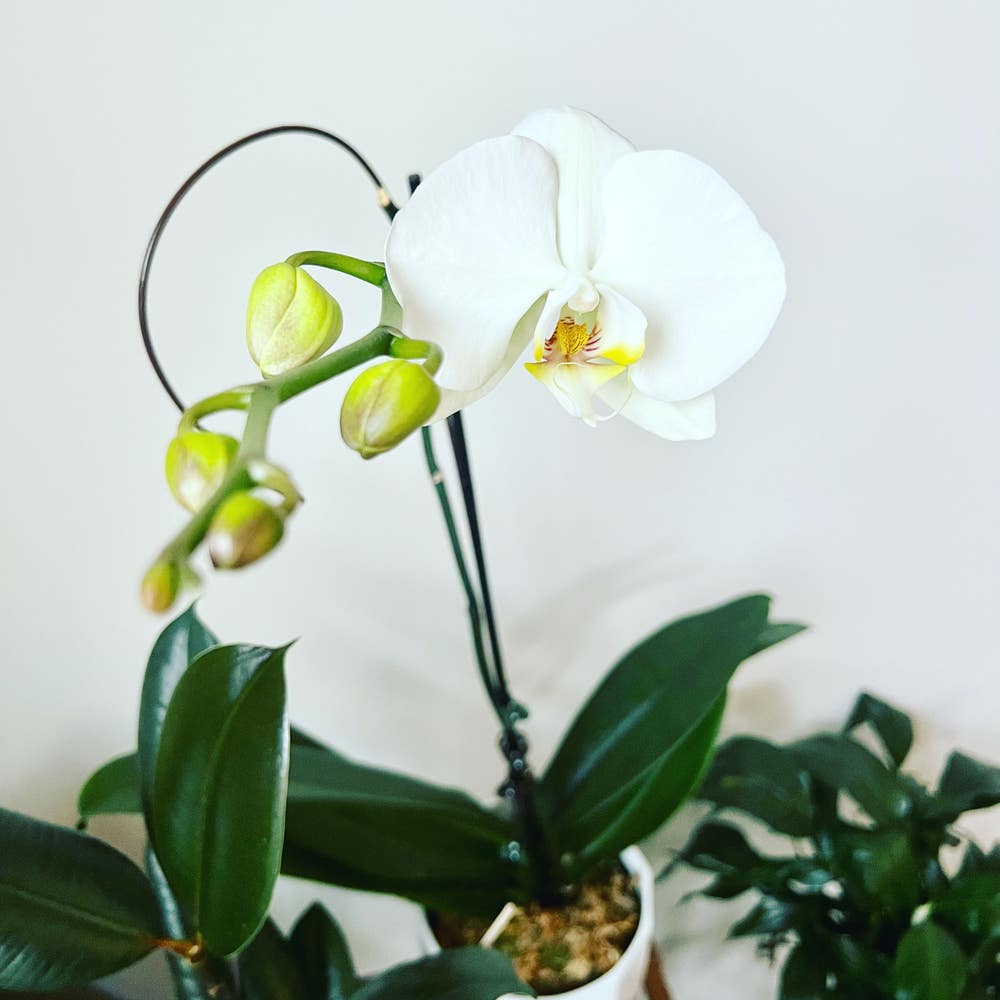
Description of Flower Parts 🌸
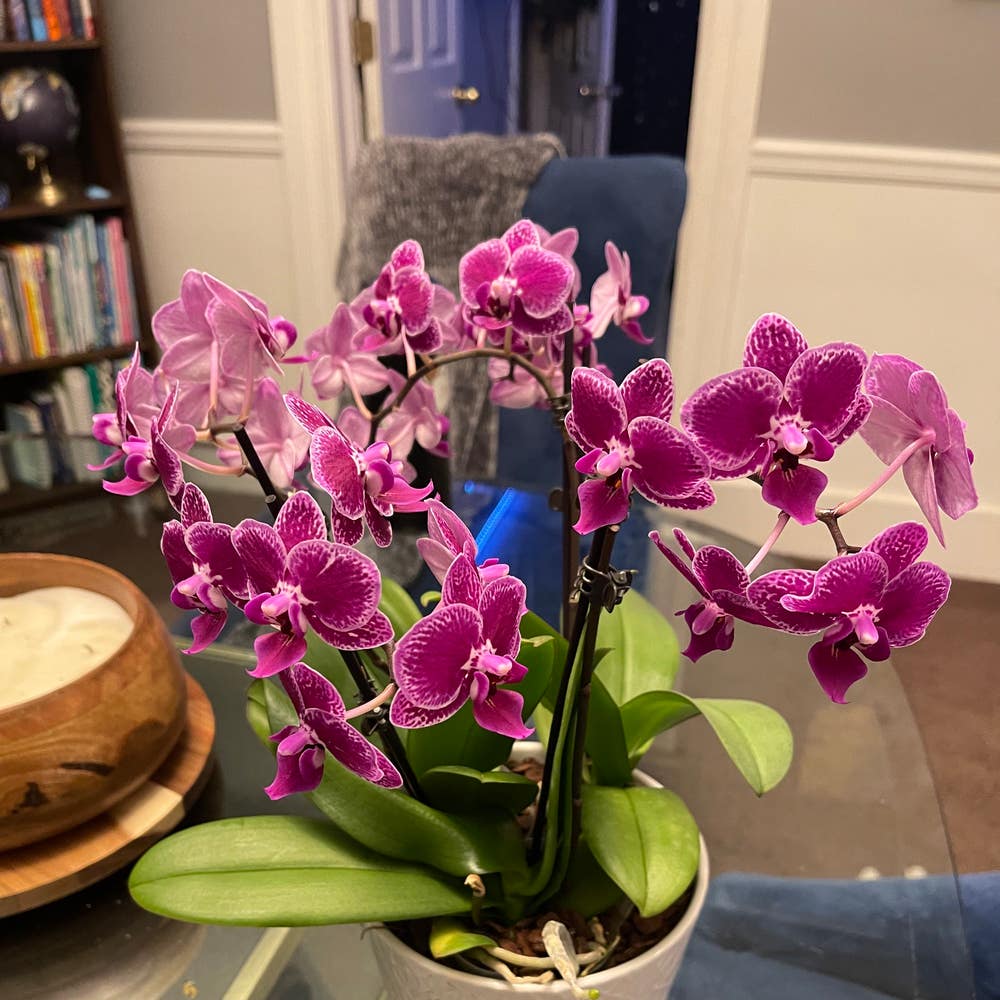
The Moon Orchid boasts a stunning array of flower parts that play crucial roles in its beauty and function.
- Petals: These broad, flat, and often colorful structures are designed to attract pollinators, making them essential for the orchid's reproductive success.
- Sepals: Typically green or white, sepals provide support and protection, ensuring the flower remains intact and appealing.
- Stamens: Located centrally, these male reproductive parts produce pollen, which is vital for fertilization.
- Pistils: At the heart of the flower, the pistils serve as the female reproductive parts that receive pollen, completing the cycle of reproduction.
Role in Pollination 🐝
The unique structure of the Moon Orchid facilitates cross-pollination, which is essential for genetic diversity.
The arrangement of petals and reproductive parts is designed to aid in pollen transfer, ensuring that pollinators can easily access the necessary components.
Flower color and shape are significant in attracting specific pollinator species, enhancing the chances of successful reproduction. Bright colors and distinct shapes signal to pollinators that nectar is available, creating a mutually beneficial relationship.
Understanding these elements not only enriches your appreciation of the Moon Orchid but also highlights the intricate connections between plants and their pollinators.
As we explore the pollination process, we’ll see how these structural features come into play, ensuring the survival of this beautiful orchid.
Pollination Process
🌼 Cross-Pollination
Moon Orchids thrive on cross-pollination, which is essential for optimal seed production and genetic diversity. This method enhances the genetic pool, making the plants more resilient and adaptable.
Cross-pollination offers several advantages over self-pollination. It promotes genetic variation, which can lead to healthier plants and better resistance to diseases.
🐝 Primary Pollinators
Several key pollinators play a crucial role in the life cycle of the Moon Orchid:
Bees
Bees are attracted to the vibrant colors and sweet scents of the flowers. They are vital for transferring pollen from one bloom to another.
Butterflies
Butterflies are drawn to the shape and nectar of the Moon Orchid. Their delicate movements help facilitate cross-pollination as they flit from flower to flower.
Moths
Active during the night, moths are lured by the fragrance of the flowers. Their nocturnal visits contribute significantly to the pollination process.
Hummingbirds
Hummingbirds are captivated by bright colors and nectar. Their rapid movements help in the effective transfer of pollen.
🎯 Attraction Mechanisms
The Moon Orchid employs various mechanisms to attract its pollinators. Scent plays a pivotal role, as many pollinators rely on it to locate flowers.
Color and nectar are equally important. Bright hues signal to pollinators that a flower is ready for visits, while nectar provides the reward for their efforts.
Timing is also crucial. The blooming period of the Moon Orchid often aligns with the activity patterns of its primary pollinators, ensuring that flowers are open when pollinators are most active.
Understanding these dynamics can help you create a thriving environment for your Moon Orchid. Next, we’ll explore how to support these vital pollinators in your garden.
Natural Pollination
🌼 Pollen Transfer Mechanisms
Pollinators play a crucial role in the Moon Orchid's reproductive success. As they interact with the flower's structure, they inadvertently facilitate pollen transfer, ensuring that the orchid can reproduce effectively.
When a bee or butterfly lands on a Moon Orchid, its body brushes against the stamens, collecting pollen. This pollen is then transferred to the pistil when the pollinator visits another flower, promoting cross-pollination.
Gravity and wind also contribute to natural pollen dispersal. While these forces are less direct than pollinators, they can help scatter pollen in the surrounding area, increasing the chances of successful fertilization.
🌱 Importance for Reproduction
Successful pollination is vital for seed production in Moon Orchids. When pollen reaches the stigma, it triggers fertilization, leading to the formation of seeds that can grow into new plants.
Genetic diversity is another significant benefit of effective pollination. By mixing genetic material from different plants, the Moon Orchid population becomes more resilient and adaptable to environmental changes. This diversity is essential for the long-term survival of orchid species, making the role of pollinators even more critical.
In summary, the intricate relationship between pollinators and Moon Orchids not only ensures reproduction but also supports the broader ecosystem. As we explore the next section, we'll delve into hand pollination techniques to further enhance your orchid's growth.
Hand Pollination
Hand pollination can be a rewarding way to ensure your Moon Orchid thrives. Here’s a straightforward guide to help you through the process.
Step-by-Step Instructions 🌼
Identify Male and Female Flower Parts:
Start by locating the stamens, which are the male parts, and the pistils, the female parts, within the flower. This is crucial for effective pollination.Collecting Pollen:
Use a small brush or cotton swab to gently collect pollen from the stamens. Be gentle to avoid damaging the delicate flower structure.Transferring Pollen:
Carefully apply the collected pollen to the stigma of the pistil. This step is vital for fertilization.Timing for Successful Fertilization:
Perform hand pollination in the morning when flowers are most receptive. This timing increases the chances of successful fertilization.
Hand pollination not only boosts seed production but also enhances genetic diversity in your Moon Orchid. By taking these steps, you contribute to the health and vitality of your plant, ensuring it flourishes beautifully.
Next, let’s explore how to create a pollinator-friendly environment that supports these efforts.
Supporting Pollinators
🌼 Creating a Pollinator-Friendly Environment
To attract pollinators, start by planting native flowers that bloom at different times throughout the year. This ensures a continuous food source, keeping your garden buzzing with activity.
Avoid using pesticides that can harm beneficial pollinator species. Instead, consider natural pest control methods to maintain a healthy ecosystem.
🌿 Companion Plants
Incorporate companion plants like lavender, bee balm, and coneflowers into your garden. These plants are not only beautiful but also serve as magnets for bees and butterflies.
Planting in clusters enhances visibility for pollinators, making it easier for them to find food. A well-planned garden can create a vibrant habitat that supports a variety of pollinator species.
By fostering a pollinator-friendly environment, you contribute to the health of your Moon Orchid and the broader ecosystem. Next, let’s explore the challenges pollinators face and how to overcome them.
Pollination Challenges
Common Obstacles 🌪️
Pollination can be tricky due to various environmental factors. Temperature fluctuations and humidity levels can significantly impact the success of pollination.
Urban areas often face a lack of natural pollinators. This scarcity can hinder the Moon Orchid's ability to thrive and reproduce effectively.
Solutions 🌼
Creating a more inviting environment for pollinators is essential. Planting a variety of native flowers that bloom at different times can provide a continuous food source.
If natural pollination proves insufficient, consider artificial pollination methods. These techniques can help ensure your Moon Orchids receive the necessary pollen for successful fertilization.
Impact of Environmental Factors 🌡️
Temperature and humidity play crucial roles in flower receptiveness. High temperatures can cause flowers to close up, while excessive humidity may deter pollinator activity.
Seasonal variations also affect the pollination process of the Moon Orchid. Adapting care practices, such as adjusting watering schedules or providing shade, can enhance pollination success throughout the year.
By understanding these challenges and implementing effective solutions, you can create a thriving environment for your Moon Orchids and their pollinators.
⚠️ Safety First
This content is for general information and may contain errors, omissions, or outdated details. It is not medical, veterinary advice, or an endorsement of therapeutic claims.
Always consult a qualified healthcare professional before using any plant as food, medicine, or supplement.
Never eat any plant (or feed one to pets) without confirming its identity with at least two trusted sources.
If you suspect poisoning, call Poison Control (800) 222-1222, the Pet Poison Helpline (800) 213-6680, or your local emergency service immediately.
Spotted an error? Please report it here.
Boost your Moon Orchid's pollination success 🌸 by using Greg's tailored care tips and reminders to create a pollinator-friendly environment that thrives all year round!